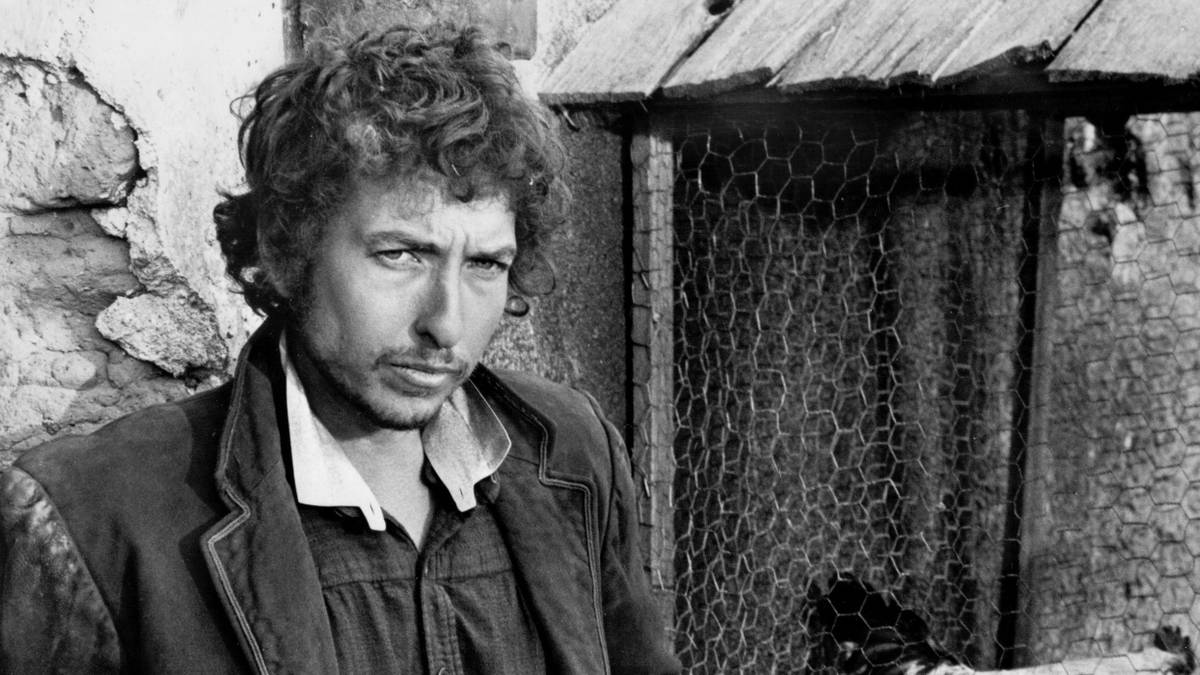
For centuries, "Auld Lang Syne" reigned as the go-to New Year's tune, but in 1974, a new contender emerged. Bob Dylan's Forever Young, from his album Planet Waves, quietly became the unofficial soundtrack for ringing in the new year. Despite its deeply personal origins—written as a lullaby for his eldest son, Jesse—the song's universal themes of hope, resilience, and staying forever young have made it a perennial favorite for January 1st celebrations.
The Personal Story Behind the Anthem
Dylan penned Forever Young in 1973, intending it as a tender lullaby for his son Jesse, born in 1966. In a demo later released on his compilation Biograph, Dylan can be heard saying he was "thinking about" one of his sons while recording, and "not wanting to be too sentimental." The song appears in two versions on Planet Waves: a gentle lullaby and a rock-infused track. Though Dylan didn't perform it as often as his other hits, he did deliver memorable renditions, including a duet with Bruce Springsteen in 1995 and a performance at The Band's farewell concert, The Last Waltz, in 1976.
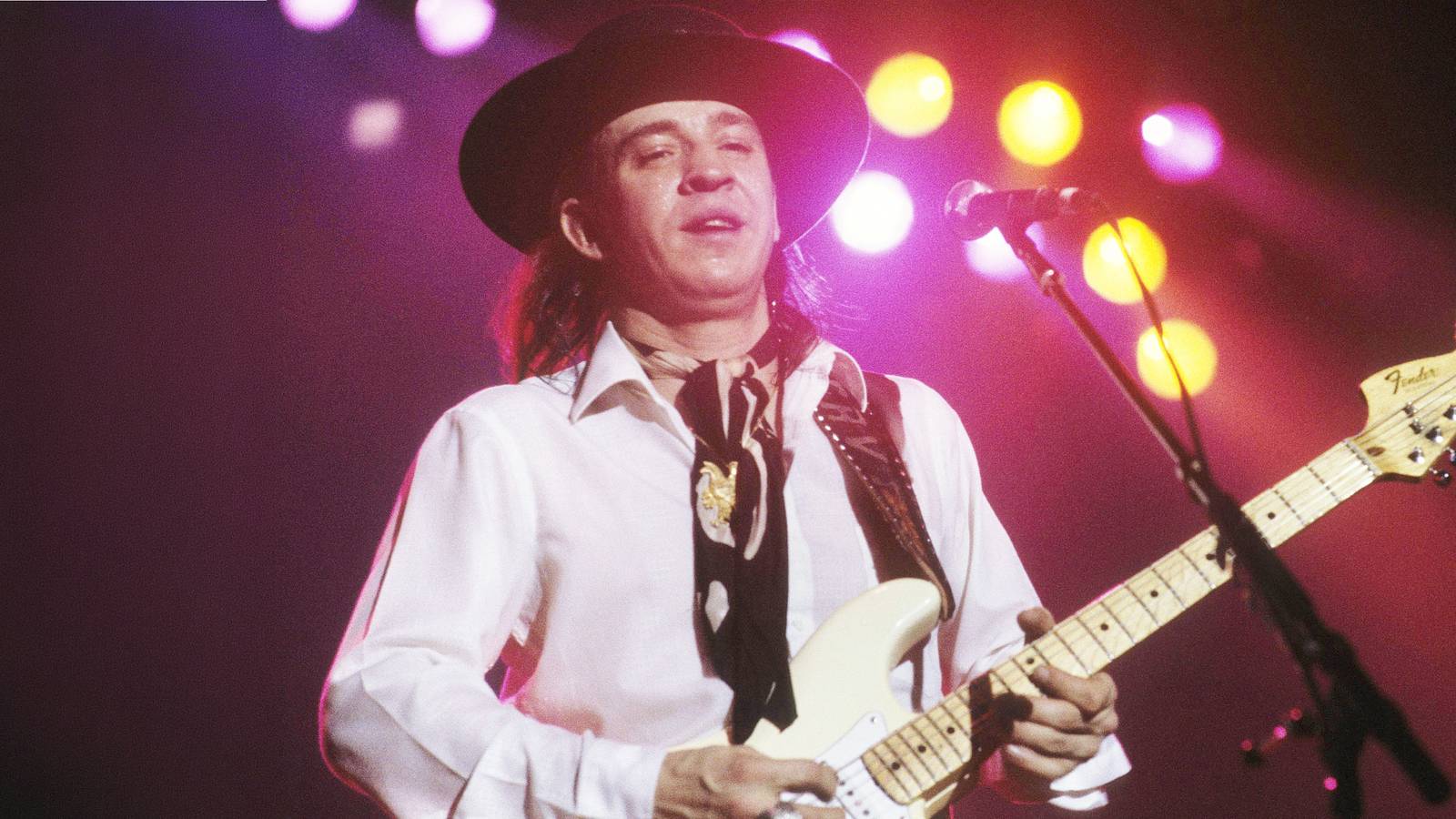
Interestingly, biographer Clint Heylin suggests the song was also a response to Neil Young's "Heart of Gold." Dylan felt Young had borrowed his style, once remarking in 1985, "I’d turn on the radio, and there I am, but it’s not me." This creative rivalry may have fueled Dylan's desire to craft a timeless message of his own.
Why It Resonates at New Year's
While Forever Young was written as a father's wish for his child, its lyrics perfectly capture the optimism of a new year. Lines like "May God bless and keep you always, may your wishes all come true" and "May you build a ladder for the stars and climb on every rung" echo the hopes and dreams people embrace as the calendar turns. The song encourages listeners to stay strong, happy, and young in the face of fresh challenges—a sentiment that aligns beautifully with New Year's resolutions and fresh starts.
Some argue the song is more about kindness than New Year's, pointing to lyrics like "May you always do for others and let others do for you." But it's hard to ignore the ongoing themes of resilience and renewal. "May you have a strong foundation when the winds of changes shift" speaks directly to the uncertainties each new year brings, making Forever Young a fitting anthem for anyone looking to start anew.
A Classic Despite Modest Chart Success
Surprisingly, Forever Young wasn't an instant chart-topper. It gained traction only after live versions surfaced years later. Joan Baez's cover, released as a single in 1974, actually performed better on the charts, peaking at No. 13 on the US Adult Contemporary Chart. The song has since been covered by a wide range of artists, from Rebbie Jackson to The Pretenders, cementing its status as a classic.
What truly makes Forever Young timeless is its heartfelt message that resonates across generations. It's a gem in Dylan's discography, alongside masterpieces like "Tangled Up In Blue," "Like a Rolling Stone," and "Knockin’ On Heaven’s Door." For more on how classic rock broke the mold, check out When Classic Rock Broke the Mold: Queen, Bowie, Led Zeppelin, and The Doors' Rule-Defying Masterpieces.
As we welcome another year, Forever Young remains a powerful reminder to hold onto hope, kindness, and the spirit of youth—no matter what challenges lie ahead. For more on how iconic songs become anthems, see How Neil Diamond's 'Sweet Caroline' Became a Timeless Anthem in 30 Minutes.