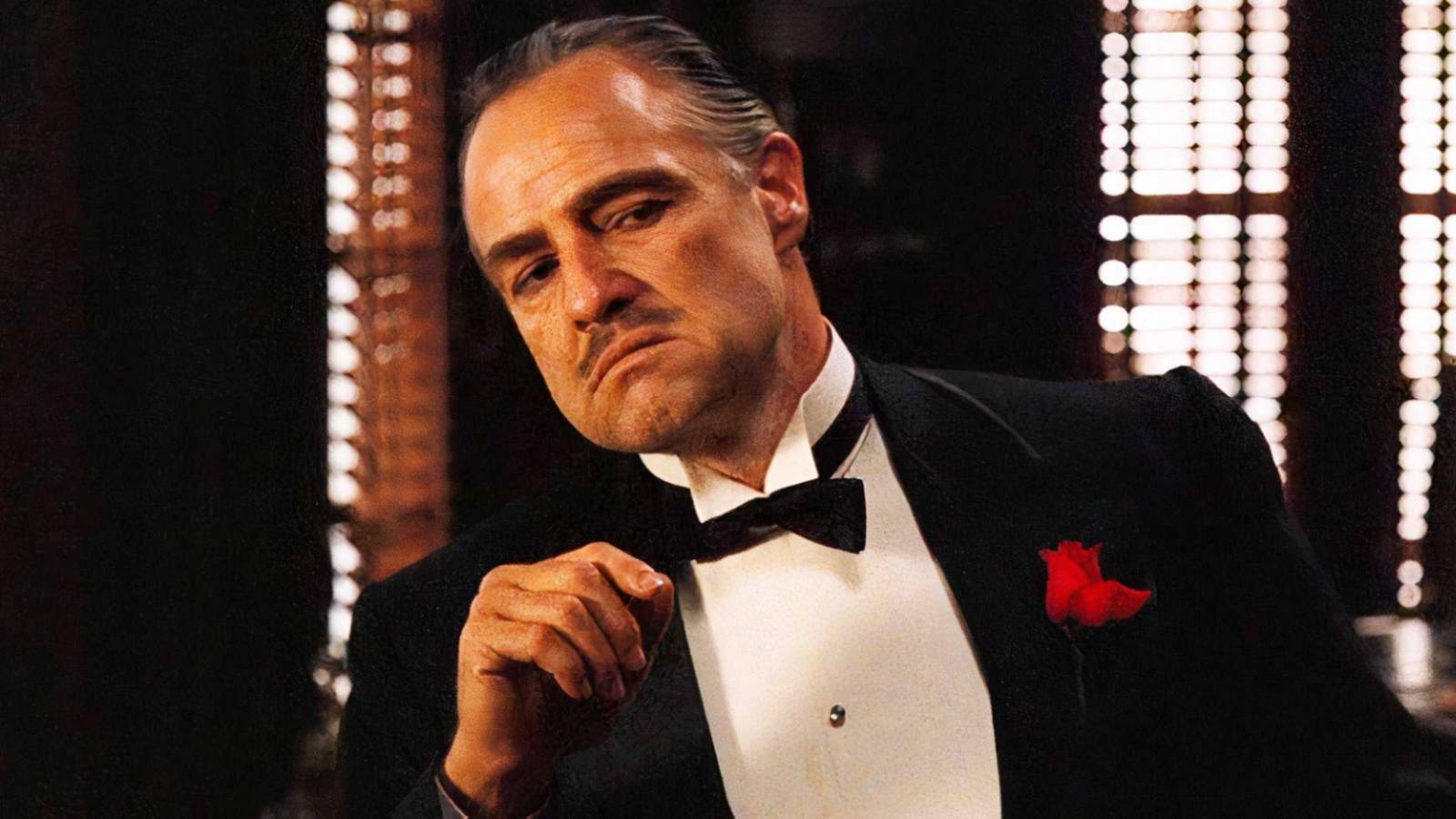
When Mario Puzo's novel The Godfather hit shelves in 1969, it didn't just become a bestseller—it transformed how the public viewed organized crime. Paramount quickly snapped up the rights, and Francis Ford Coppola turned it into one of the greatest films ever made, reinvigorating the gangster genre for a new generation. The sequel, The Godfather: Part II, is often hailed as one of the best follow-ups in cinema history. Both the books and the films are masterpieces, but no adaptation can include everything. Still, some changes from page to screen left fans scratching their heads.
Adapting a novel inevitably requires cuts and tweaks, but certain details—like Apollonia's pregnancy or the chilling tale of Luca Brasi—arguably should have made the final cut. It's not just minor omissions, though. Several key scenes were altered, and while the film versions are iconic, the original book versions offered deeper character insights. For instance, in the novel, Kay Adams actively seeks out Michael after his return, whereas the film has Michael suddenly reappear in her life. Even with Coppola and Puzo's brilliant work, some changes (and even deleted scenes) remain questionable.
Carmela Corleone's Quiet Strength
In the films, Carmela Corleone (Morgana King) is a background figure, but the book gives her more depth as both a mother and the wife of a powerful mob boss. In Part II, we see the genuine devotion between Carmela and Vito through small gestures, like Vito bringing her a pear. Their marriage is clearly loving and solid, but a deleted scene from the first film would have added even more to her character.
In the novel, when Sonny learns his father has been shot, he must tell his mother. Instead of a tearful breakdown, Carmela remains calm and quietly asks if her husband is dead, refusing to let Sonny soften the blow. This brief but powerful exchange was filmed but cut from the movie—a shame, as it reveals Carmela's resilience and the steel beneath her traditional exterior.
The Forbidden Story of Luca Brasi
Early in The Godfather, Kay Adams asks Michael about Luca Brasi (Lenny Montana), who sits alone rehearsing his speech to the Don. Michael tells her about Brasi's loyalty and violence, but the novel contains a story so dark that even Vito and Tom Hagen refuse to speak of it. While hiding in Sicily, Michael meets an old woman named Filomena who knows his father and Brasi. She reluctantly tells him the tale.
When Filomena was a midwife in New York, Brasi came to her door one night, demanding help for a woman in labor—his pregnant girlfriend. After the baby was born, Brasi forced Filomena at gunpoint to throw the infant into a furnace. Then he murdered the mother. It's a horrific moment, but it would have underscored Brasi's terrifying reputation and added layers to his character.
Michael and Kay's Reunion
In the film, after years away and the death of his first wife, Michael abruptly shows up at Kay's door, hoping to rekindle things. It feels less like romance and more like he's just looking for a wife—any wife. The book handles it much better: Kay seeks out Michael. During a phone call with Carmela, she learns Michael has been home for six months and is invited over. When Michael arrives, he's genuinely surprised to see her, and they quickly reconnect. He admits he didn't reach out because he thought she'd moved on or wouldn't want him after the Sollozzo and McClusky affair. This version feels more realistic and paints Michael in a more considerate light.
Jack Woltz and the Starlet
When Tom Hagen (Robert Duvall) tells Vito Corleone (Marlon Brando) that Jack Woltz (John Marley) won't give Johnny Fontane the movie role, Vito sends a gruesome message—the famous horse's head in the bed. But the novel reveals more about Woltz's character. In the book, Woltz is not just a stubborn producer; he's also a predator who has used his power to exploit young starlets. The film hints at this, but the book goes deeper, showing Woltz's past with a young actress and his callous disregard for others. The horse's head is shocking, but the book's backstory makes it even more fitting.
These changes, while debatable, don't diminish the films' greatness. They simply show that even the best adaptations must make choices—and sometimes, the original source material offers richer storytelling. For more on cinematic masterpieces, check out our list of the greatest war films ever made or explore top comic book movies since 2010. And if you're a fan of flawless storytelling, you might enjoy our ranking of flawless sci-fi movies.