Hollywood's golden era produced countless masterpieces, but not all of them stayed in the spotlight. While some classics are celebrated for their awards, stars, or groundbreaking techniques, others quietly slipped into obscurity. Yet a special few of these overlooked films have aged like fine wine, their themes and craftsmanship resonating even more powerfully today than when they first premiered. From gritty boxing dramas to chilling satires of fame, these six forgotten movies deserve a fresh look from modern audiences.
'The Set-Up' (1949)
Robert Wise's The Set-Up is a taut, unflinching boxing noir that follows Bill "Stroker" Thompson (Robert Ryan), a veteran fighter clinging to the hope of one last shot at glory. Ryan, who was a real-life amateur boxing champion at Dartmouth, delivers a raw and dignified performance that anchors the film's emotional weight. Wise transforms the boxing arena into a pressure cooker, intercutting the brutal action with a bloodthirsty crowd, all captured in Milton Krasner's shadowy, atmospheric cinematography.

What makes The Set-Up feel so fresh is its refusal to sentimentalize. The stakes are deceptively simple—one man's self-respect—but that simplicity makes them monumental. The film's influence on later boxing movies is undeniable, yet few have matched its lean storytelling and moral clarity. It's a masterclass in crafting a compact, low-budget film that hits with the force of a tragedy, making it an essential piece of overlooked cinema.
'The Devil and Daniel Webster' (1941)
William Dieterle's Oscar-winning supernatural drama The Devil and Daniel Webster brings Stephen Vincent Benét's classic tale to life. Set in 1840s New Hampshire, it follows farmer Jabez Stone (James Craig), who sells his soul to the devil—here called Mr. Scratch—for seven years of prosperity. When the deadline looms, Stone turns to famed lawyer Daniel Webster (Edward Arnold) to argue his case. Walter Huston's Oscar-nominated performance as Mr. Scratch is a delight, portraying the devil as a charming, self-aware salesman who knows he's already won.
The film's themes of ambition and community erosion feel startlingly relevant in today's world. It balances humor and dread with a grace that many modern fantasy films struggle to achieve. The Devil and Daniel Webster deserves a place alongside the best studio-era classics, offering a timeless cautionary tale wrapped in wit and supernatural intrigue.
'A Face in the Crowd' (1957)
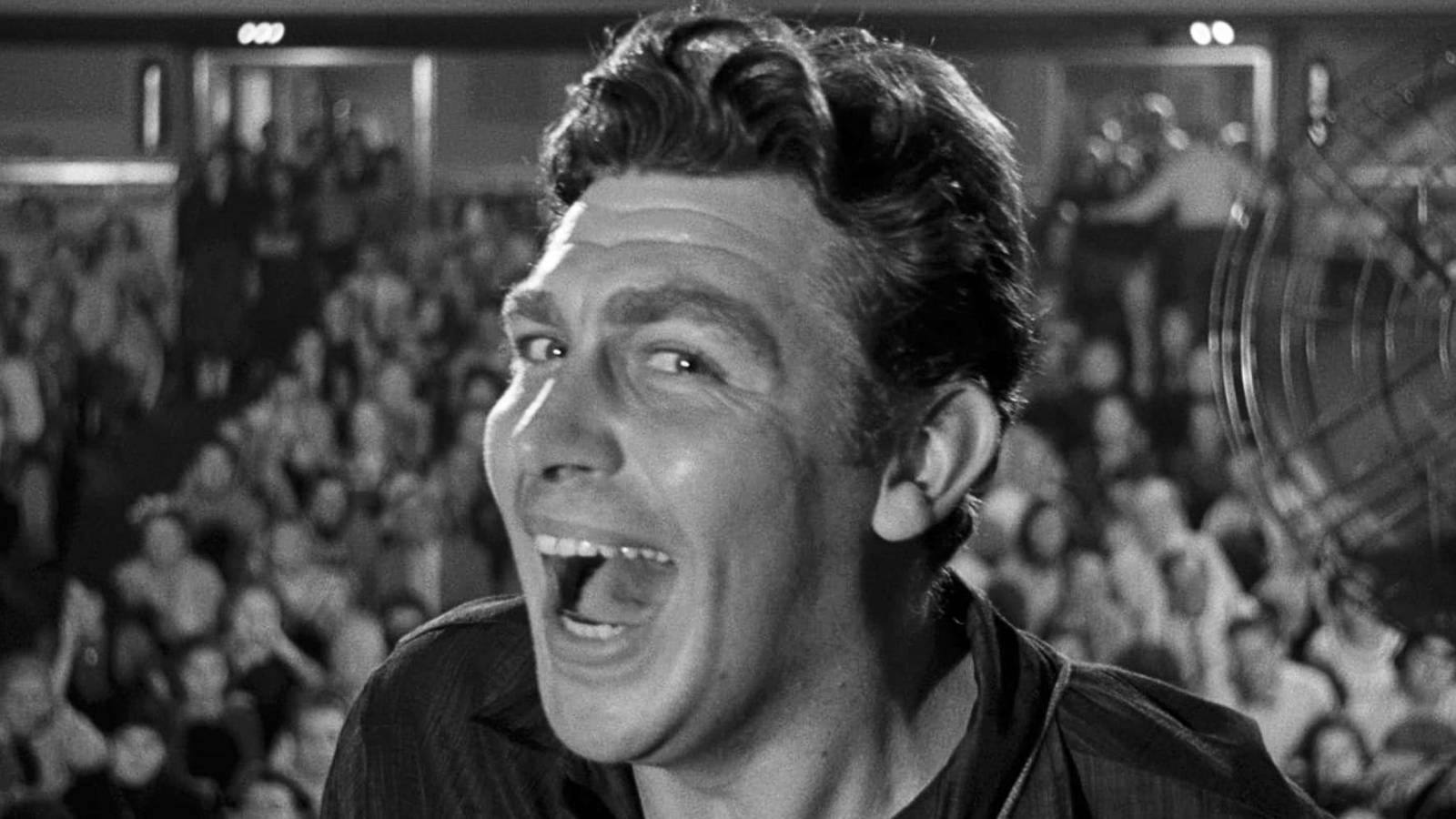
Elia Kazan's A Face in the Crowd is a prophetic satire that introduced Andy Griffith in his feature film debut. Griffith plays Larry "Lonesome" Rhodes, a drifter discovered by a radio producer (Patricia Neal) who rockets to national fame. The film dissects the corrupting influence of celebrity with a sharpness that feels decades ahead of its time. Griffith's performance is genuinely unsettling, as his character's folksy charm curdles into contempt for the very audience that made him famous.
The movie flopped on release, likely because it was too prescient. But its portrayal of a charismatic outsider weaponizing media manipulation has proven uncomfortably durable. A Face in the Crowd raises timeless questions about complicity and the monsters we create, making it a must-watch for anyone interested in the dark side of fame.
'The Whole Town's Talking' (1935)
John Ford, best known for his Westerns, took a detour into crime comedy with The Whole Town's Talking, a film that often flies under the radar. Edward G. Robinson shines in a dual role as a meek advertising clerk and a notorious gangster who looks exactly like him. The premise—an ordinary man mistaken for a criminal—allows Robinson to showcase his range, from timid to menacing. Ford's direction keeps the tone light yet sharp, and the film's commentary on identity and mistaken perception remains clever even by today's standards.
'Seconds' (1966)
John Frankenheimer's Seconds is a psychological thriller that was largely dismissed upon release but has since gained cult status. Rock Hudson stars as a middle-aged man who undergoes a radical procedure to start a new life, only to find his second chance spiraling into nightmare. The film's exploration of identity, consumerism, and the pursuit of happiness feels eerily contemporary. Its unsettling atmosphere and Hudson's committed performance make it a haunting experience that lingers long after the credits roll.
'The Lineup' (1958)
Don Siegel's The Lineup is a gritty crime noir that emerged from a TV series of the same name. It follows a pair of hitmen tasked with retrieving a shipment of heroin, leading to a tense cat-and-mouse chase through San Francisco. The film is notable for its documentary-style realism and a standout performance by Eli Wallach as a psychopathic killer. Its portrayal of criminal underworlds and moral ambiguity has aged remarkably well, influencing countless crime films that followed.
These six films may have been forgotten by mainstream audiences, but they remain vital pieces of cinema history. Their themes—ambition, identity, fame, and morality—are as relevant today as ever. For those willing to dig into the past, these hidden gems offer a rewarding and thought-provoking viewing experience. And if you're hungry for more underrated classics, check out our list of thought-provoking classics or explore why some modern Westerns carry on this tradition.