Intelligence in cinema isn't just about clever plots or twist endings. It's found in sharp, layered dialogue, in screenplays that trust the audience to keep up, and in themes that grow richer with each viewing. These films don't over-explain or rush to tell you what to feel. Instead, they invite you to lean in, notice the details, and draw your own conclusions.
From Fritz Lang's chilling M to Stanley Kubrick's mind-bending 2001: A Space Odyssey, these are the six most intelligent classic movies, ranked.
6. M (1931)
Fritz Lang's M earns its place among the most intelligent classic films because it refuses to settle for a simple thriller. Set in Berlin, a community is on edge as a serial killer (Peter Lorre) who targets children remains at large. When authorities make little progress, the people take matters into their own hands. On the surface, M follows a city's hunt for a murderer, but underneath, it dissects how society responds to fear with startling sophistication.
One of the film's greatest strengths is how Lang uses the manhunt to expose uncomfortable parallels between law and lawlessness. The police, desperate for results, disrupt the criminal underworld, while criminals organize their own search, motivated by self-interest as much as outrage. Both sides pursue the same man, but neither is entirely noble. The climactic trial scene is the film's intellectual peak, as Lorre's desperate monologue complicates sympathies and forces us to confront compulsion, responsibility, and mob justice.
5. Citizen Kane (1941)
Citizen Kane turns a simple question about a dying man's last word into a meditation on how we construct and misunderstand a life. Orson Welles directs and stars as Charles Foster Kane, a media tycoon whose cryptic last word, "Rosebud," leads a reporter on a mission to decipher its meaning. As he speaks to Kane's friends and associates, a portrait of a complex and lonely man emerges.
The film's story structure is its first act of intelligence. Each narrator offers a different, partial perspective, and truth becomes something assembled from competing biases and regrets. Technically, Welles pushed cinema forward with deep-focus photography, letting a single frame carry layers of meaning. Overlapping dialogue, inventive transitions, and dramatic shadows all serve the story's ideas.
4. Sunset Boulevard (1950)
Billy Wilder's defining film noir Sunset Boulevard turns the movie industry's gaze inward, dissecting fame, vanity, and obsolescence with surgical wit. William Holden stars as Joe Gillis, an aspiring screenwriter who agrees to write a comeback script for former silent film star Norma Desmond (Gloria Swanson), now a recluse living in the past. As Desmond's affection grows into a controlling obsession, Gillis realizes he's made a deal with the devil.
The film's boldest stroke is its narrator, Gillis, who walks us through the events that led to him floating dead in a swimming pool. This announces that the film is playing with convention, setting a tone of darkly ironic fatalism. Swanson's character is both villain and victim; her delusions are a defense against an industry that used and discarded her. Her performance, drawing on her own history as a silent film star, blurs fiction and reality in ways that feel almost uncomfortably honest.
3. The Conversation (1974)
Francis Ford Coppola's underrated neo-noir masterpiece The Conversation turns surveillance into a study of guilt, perception, and the limits of certainty. Gene Hackman stars as Harry Caul, a surveillance expert who records a couple's conversation in a crowded park. As he obsesses over the tape, he becomes entangled in a web of paranoia and moral ambiguity.
The film's intelligence lies in its restraint. Coppola doesn't spell out every detail; instead, he lets the audience piece together the truth alongside Caul. Hackman's performance is a masterclass in internalized tension, and the film's haunting finale lingers long after the credits roll. It's a must-see for fans of modern detective stories that prioritize obsession over genius.
2. Vertigo (1958)
Alfred Hitchcock's Vertigo is a psychological labyrinth that explores obsession, identity, and the impossibility of recreating the past. James Stewart stars as Scottie Ferguson, a retired detective with a fear of heights who is hired to follow a mysterious woman (Kim Novak). As he becomes consumed by her, the film spirals into a dark exploration of desire and manipulation.
Hitchcock's direction is meticulous, using camera movements and color to mirror Scottie's fractured psyche. The film's famous dolly zoom effect visually represents his vertigo, and the narrative's twists force us to question what we've seen. Vertigo is a film that rewards multiple viewings, revealing new layers each time. It's a cornerstone of psychological thrillers that continue to influence filmmakers today.
1. 2001: A Space Odyssey (1968)
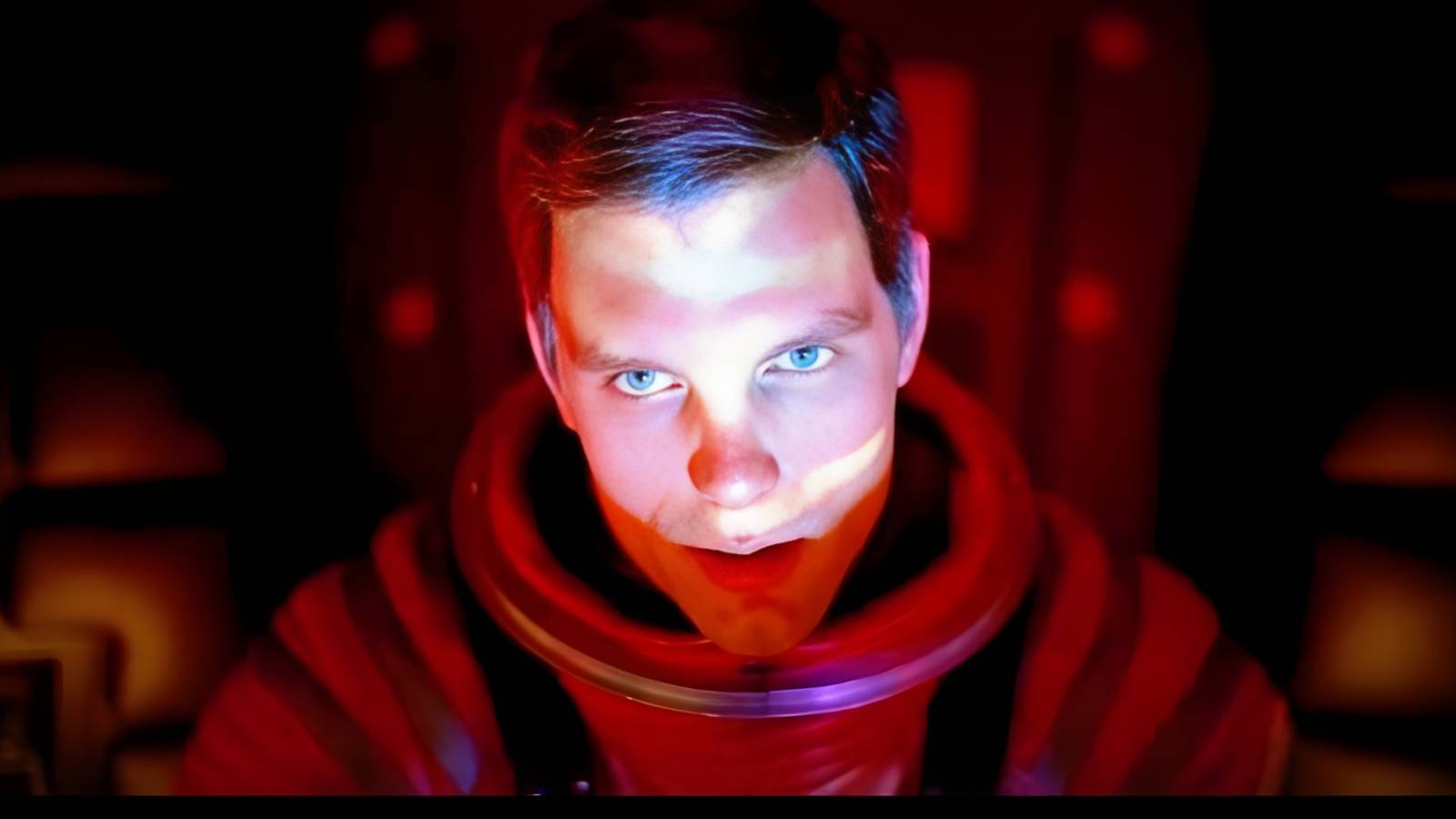
Stanley Kubrick's 2001: A Space Odyssey is the ultimate intelligent classic film, a cosmic epic that challenges our understanding of humanity, technology, and evolution. The film follows a journey from prehistoric apes to a space mission controlled by the sentient computer HAL 9000, culminating in a mind-bending encounter with a mysterious monolith.
Kubrick's film is a visual and philosophical triumph. It eschews traditional narrative in favor of a meditative, almost abstract structure. The famous match cut from a bone to a spaceship is a cinematic leap through time, and the film's ambiguous ending has sparked endless debate. 2001 doesn't provide easy answers; it invites us to ponder our place in the universe. It's a film that demands your full attention and rewards it with a profound experience.
These six films represent the pinnacle of intelligent cinema. They trust their audiences, challenge conventions, and offer insights that grow with each viewing. Whether you're revisiting an old favorite or discovering one for the first time, each of these classics offers something that more recent films rarely match: the sense that someone made this movie assuming you were paying attention.