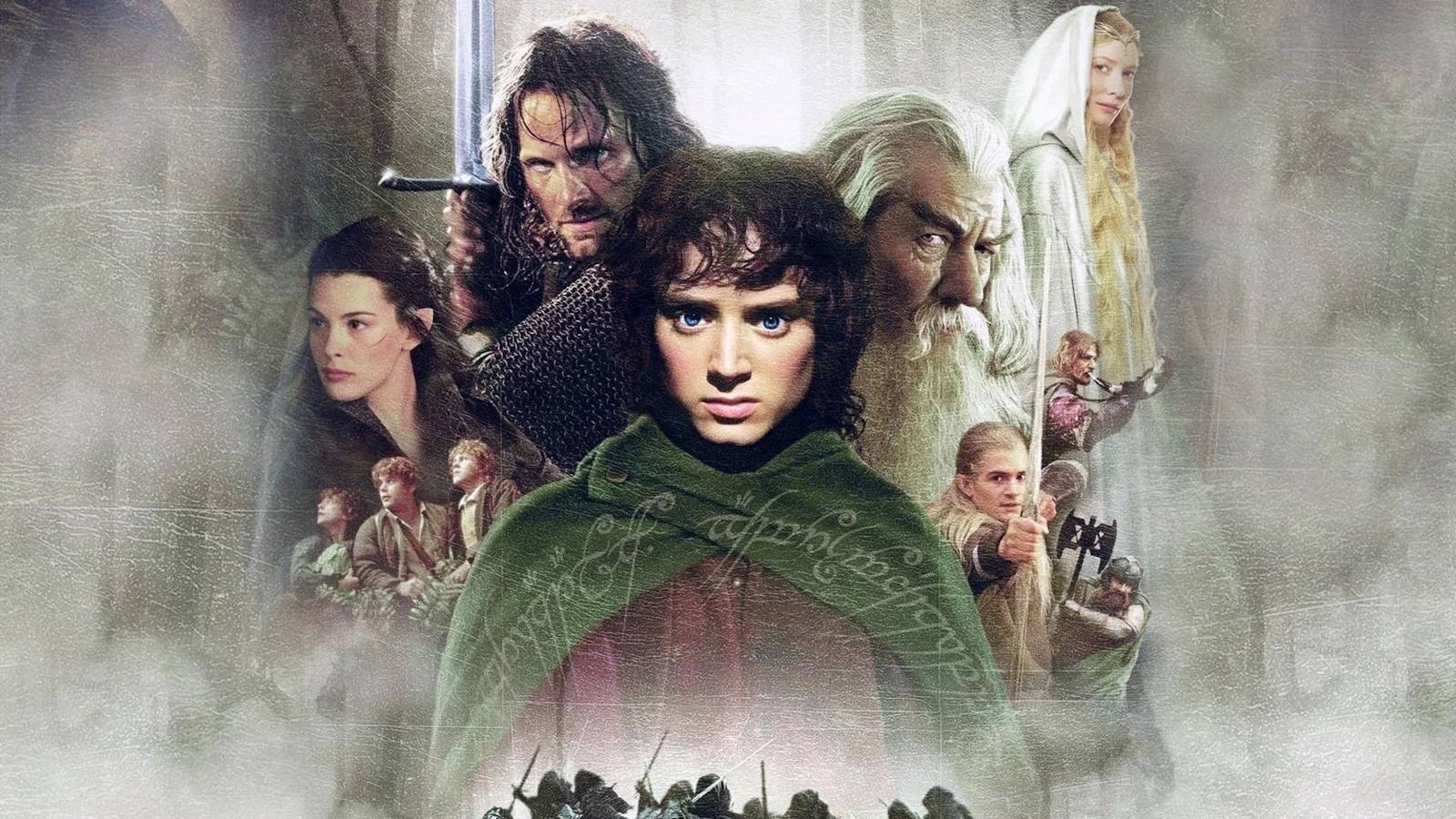
When J.R.R. Tolkien's The Lord of the Rings hit shelves in the mid-1950s, it wasn't an instant smash. But over the decades, the epic fantasy grew a devoted following, and by the 1960s, it was being hailed as a landmark of 20th-century literature. So when New Line Cinema announced a film adaptation, expectations were sky-high. Against all odds, Peter Jackson and his team delivered a trilogy that became just as beloved as the books—The Fellowship of the Ring, The Two Towers, and The Return of the King are now considered among the greatest fantasy films ever made.
Yet no film is flawless, and Jackson's Middle-earth is no exception. While the extended editions patch up some gaps, the theatrical cuts—the versions most fans first saw—contain a handful of plot holes that are hard to ignore. Here are the most glaring ones, and why they still bug us.
Saruman's Mysterious Exit
Christopher Lee's Saruman is one of the trilogy's most commanding presences, a wizard whose menace elevates every scene. But in the theatrical cut, his story ends abruptly. After the siege of Isengard in The Two Towers, Saruman simply vanishes from the narrative. His death at the hands of Gríma Wormtongue is relegated to the extended edition of The Return of the King, and even then, the film skips the book's Scouring of the Shire. For viewers who only watched the theatrical versions, it's a jarring disappearance that leaves a major villain unresolved.
Arwen's Life Tied to the Ring
The romance between Aragorn and Arwen is a highlight of the films, thanks to Viggo Mortensen and Liv Tyler's chemistry. But the movies introduce a detail not found in Tolkien's novel: Elrond tells Aragorn that Arwen's life force is bound to the One Ring. As Sauron's power grows, Arwen fades. It's a dramatic stakes-raiser, but it raises more questions than it answers. Why Arwen specifically? What about other elves? The films never explain, leaving a plot point that feels more like a convenient device than a logical rule.
Gríma Wormtongue: Too Evil to Be Believable
Brad Dourif's Gríma is a wonderfully slimy villain, but the film version makes him so obviously sinister that it's a wonder anyone in Rohan trusts him. In the book, Gríma is a master manipulator, slowly poisoning King Théoden's mind with subtlety. On screen, he practically twirls his mustache, hissing and scheming in plain sight. It's entertaining, but it strains credibility that Théoden and his court wouldn't have tossed him out long ago.
Elrond's Passive Role at Mount Doom
The prologue of The Fellowship of the Ring is iconic, but it glosses over a key moment. In the film, Elrond urges Isildur to destroy the Ring, but when Isildur refuses, Elrond just lets him walk away. In the book, Elrond's role is more complex—he's not the only one who could have acted, and the decision is more collective. The movie simplifies it, making Elrond look oddly passive in the face of ultimate evil. A stronger push might have saved Middle-earth a whole lot of trouble.
The Eagles: Convenient or Plot Hole?
Fans have debated the Eagles for years. Why didn't the Fellowship just fly to Mordor on the giant birds? The films never address this directly, leaving viewers to wonder if the quest could have been a lot shorter. Tolkien's lore offers explanations—the Eagles are independent beings, and Sauron's forces would have spotted them—but the movies leave it unexplained, making it one of the trilogy's most persistent questions.
Gandalf's Memory Lapse
In The Fellowship of the Ring, Gandalf seems to forget that Bilbo's ring is the One Ring, even though he's long suspected it. He spends years researching, but only realizes the truth when Frodo shows him the inscription. It's a slow-burn reveal that works dramatically, but it's a bit odd that a wizard of Gandalf's wisdom didn't piece it together sooner. The films don't dwell on his earlier suspicions, making it feel like a convenient delay.
The Army of the Dead: Too Easy a Solution
In The Return of the King, Aragorn summons the Army of the Dead to win the Battle of Pelennor Fields, and they sweep through the enemy like a hot knife through butter. It's a thrilling scene, but it raises a big question: why didn't anyone use them earlier? The ghosts are unstoppable, and their existence makes the entire war seem almost trivial. The film doesn't explain why they weren't a go-to solution from the start, leaving a gap that fans have poked at for years.
These plot holes don't ruin the trilogy—far from it. They're just reminders that even the most magical films have their rough edges. And honestly, they give fans something to argue about, which is half the fun. For more cinematic debates, check out our take on the greatest films since 1990 or dive into Hitchcock's best thrillers. And if you're in the mood for more fantasy, Percy Jackson is now streaming.