When movie lovers dream of a return to mid-budget adult dramas, they probably aren't picturing a guilt-ridden young man being swallowed by a sperm whale. Yet that's exactly what Whalefall delivers, and it's a welcome surprise. This film feels like a throwback to the '90s and early 2000s—character-driven, earnest, and unapologetically weird. It's the kind of movie you'd stumble upon on cable and be glued to, but also something fresh and inventive that you've never quite seen before.
Directed by Brian Duffield, known for Spontaneous and No One Will Save You, Whalefall adapts Daniel Kraus' bestselling 2023 novel. The book, which won the Pulitzer Prize, explores survival and the tangled web of parent-child relationships. On the surface, it seemed impossible to film—how do you set an entire movie inside a whale's stomach and keep it thrilling? Duffield proves that nothing is impossible, crafting a masterful, edge-of-your-seat experience that leaves you wanting more.
What Is 'Whalefall' About?
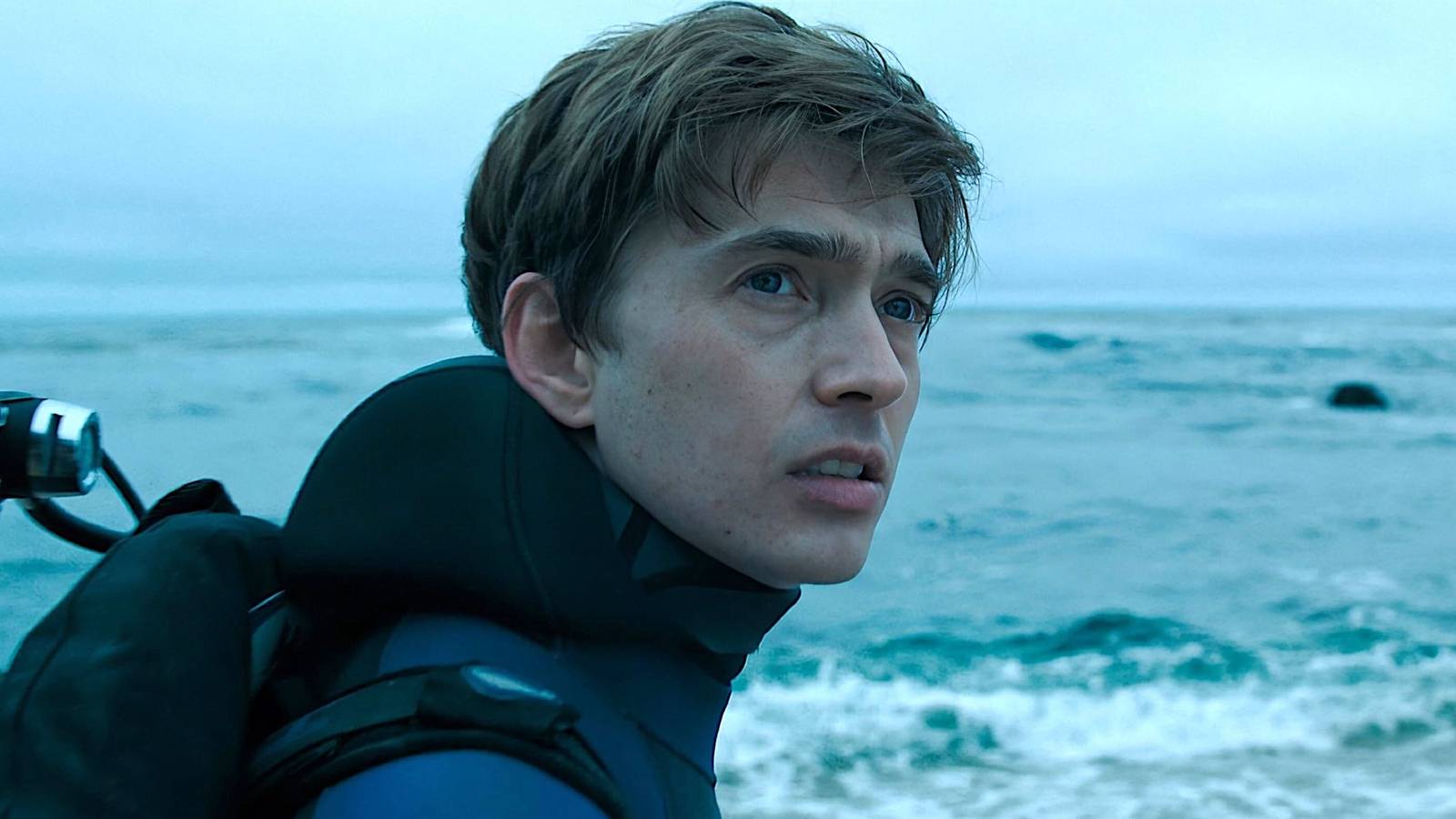
The story follows Jay Gardiner (Austin Abrams), a young man drowning in grief and guilt after his father's death. His dad, played by Josh Brolin, was a passionate diver, and Jay hopes to find closure by searching for his father's remains. But his dive turns into a nightmare when he's tangled with a giant squid and swallowed whole by a whale.
Kraus's novel is famous for its scientific accuracy, detailing what it might take for a human to survive inside a whale. But at its heart, Whalefall is about a father and son, and the burdens that can haunt that relationship. Jay's physical struggle inside the whale is exhilarating, but it's his emotional journey with grief and memory that truly resonates.
Without spoiling anything, the film handles the father-son dynamic with a sincerity that's rare in big movies today. Many directors might have toned down the emotional beats or added ironic jokes to appease cynical audiences. Duffield, however, embraces the novel's heartfelt core, daring you to love it. That earnestness, combined with some of the most daring sound design in years, makes Whalefall stand out.
Abrams and the Technical Mastery
Austin Abrams delivers a career-defining performance. Known for his work in Weapons and Resident Evil, Abrams is fearless, putting his body and ego on the line. In Whalefall, he conveys more emotion through a breathing apparatus than most actors can with their full face. He throws himself into the role, capturing the brutality of Jay's ordeal. It's a raw, dazzling performance that cements him as one of the most daring young actors today.
The sound design is equally phenomenal. From the moment Jay hits the water, the waves envelop you, raising your heart rate. When the whale appears, the theater is immersed in a way that feels almost suffocating—but in the best way. Every movement, every crack of a bone, is felt through your spine. The sound design swallows you whole, showcasing the power of the big screen experience.
Joseph Trapanese's score adds another layer of intensity. It's bold and bombastic, driving the pace with thunderous drums. There's a moment when the whale races to the surface, and the music hits like a freight train, turning the film into a full-body thrill ride.
Whalefall is terrifying, awe-inspiring, moving, and unapologetically sappy. It's confident in its vision, and that confidence is infectious. For fans of forgotten sci-fi gems or dark monster stories, this is a must-see. Duffield has crafted a film that feels both classic and new, and it's a testament to the power of earnest storytelling.