What separates a good horror movie from a legendary one? Often, it's the final moments—that last gut punch, twist, or haunting image that etches itself permanently into your memory. A perfect horror ending can redeem a flawed film or elevate a great one to masterpiece status. From shocking reveals to bleak, world-shattering conclusions, these finales prove there's no single formula for terror.
10. Saw (2004): The Twist That Launched a Franchise
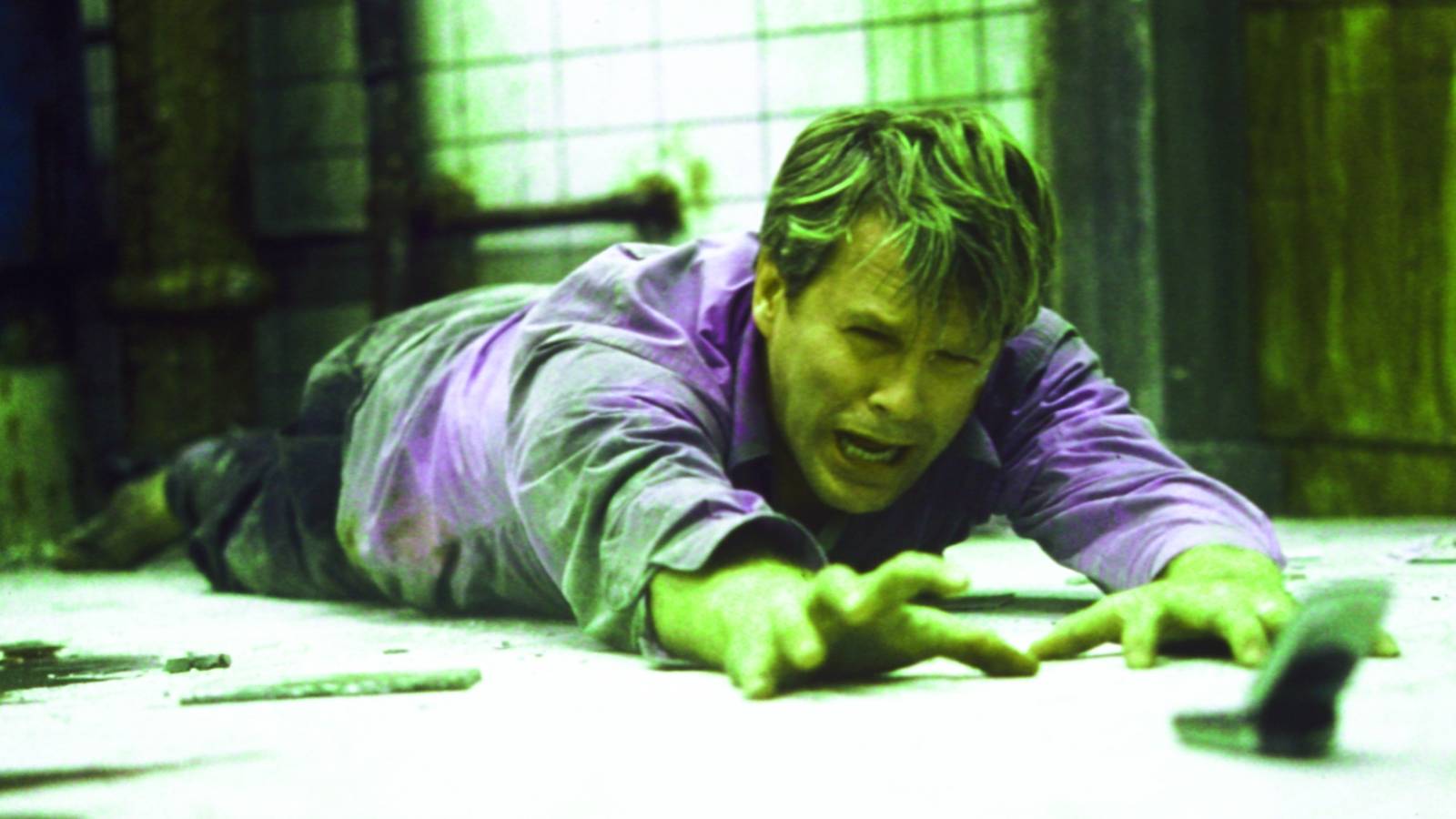
Love it or hate it, the original Saw delivered a finale that redefined modern horror. The film's gritty, low-budget aesthetic builds to a revelation that remains iconic: the seemingly dead body in the room rises, revealing itself as the mastermind Jigsaw. This twist, set to Charlie Clouser's now-infamous "Hello Zepp" score, transformed a simple thriller into a pop-culture phenomenon. While the franchise would later spiral into convoluted lore, that first shocking reveal remains a masterclass in minimalist, high-impact horror storytelling.
9. Halloween III: Season of the Witch (1982): A Ballsy, Bizarre Finale
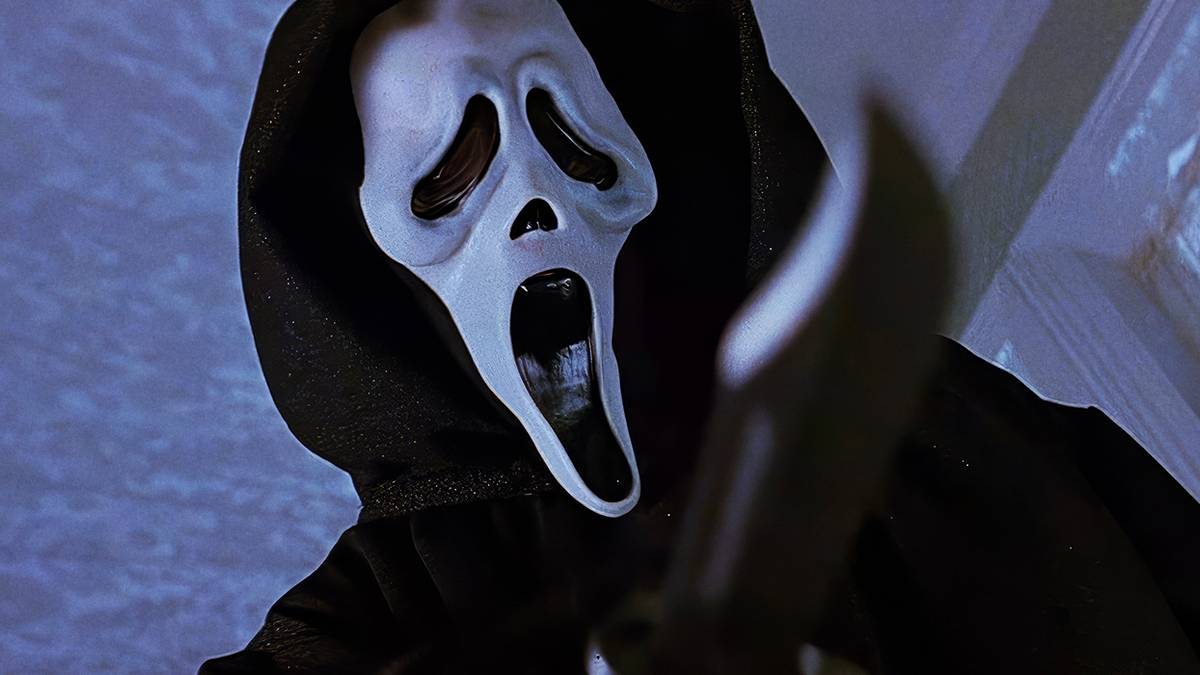
Divisive upon release for daring to exist without Michael Myers, Halloween III has earned cult status, largely thanks to its utterly uncompromising ending. The film's plot—involving evil masks, ancient witchcraft, and a plot to massacre children—culminates not in a heroic save, but in failure. As the protagonist screams into a phone, a deadly commercial airs nationwide, and the screen cuts to black. It's a nihilistic, unforgettable conclusion that proves sometimes the bad guys win, and audiences never forgot it. This kind of cult film gamble doesn't always pay off, but here it created a lasting legacy.
8. The Cabin in the Woods (2012): Meta-Horror's Grand Finale
This film brilliantly deconstructs horror tropes only to blow them all up in its spectacular climax. What begins as a standard teen-slasher setup reveals a complex ritual to appease ancient gods. When the survivors defy their fate, they choose global annihilation over personal sacrifice. The image of a giant hand erupting from the earth to crush the cabin is both terrifying and darkly hilarious. It's a perfect payoff to the film's clever premise, delivering an ending that is as thought-provoking as it is apocalyptic, cementing its place as a modern classic of self-aware horror.
7. The Mist (2007): A Devastating Lesson in Timing
Frank Darabont's adaptation of Stephen King's novella is famous for one of the most soul-crushing endings in cinema history. Trapped in a car surrounded by otherworldly creatures, a father makes an unimaginable choice to spare his son and companions a gruesome death, only to discover rescue was moments away. The sheer, gut-wrenching despair of this finale is unparalleled. It's a stark reminder that horror isn't just about monsters—it's about human frailty and cruel, cosmic irony. While King himself praised this bold departure from his story, it stands in contrast to some of the author's own less celebrated conclusions.
6. The Shining (1980): A Frozen Mystery
Stanley Kubrick's masterpiece concludes not with a neat explanation, but with an enduring enigma. The final shot of Jack Torrance frozen in the Overlook Hotel's hedge maze, followed by the slow zoom into a 1921 photograph, suggests a terrifying timelessness to the hotel's evil. Is Jack forever part of its legacy? The ending offers no comfort, only the chilling implication that the cycle of violence is eternal. It's a finale that trades jump scares for profound, lingering dread, proving that the most perfect horror often lives in the questions left unanswered.
5. The Thing (1982): Paranoia's Perfect Standoff
John Carpenter's classic ends on a note of perfect, frozen tension. After the shape-shifting alien has wreaked havoc, the two surviving men—MacReady and Childs—sit in the burning wreckage, unsure if either is still human. They share a drink, knowing rescue is unlikely and trust is impossible. The final frame holds on their weary, suspicious faces as the Antarctic cold closes in. It's an ending that masterfully sustains the film's core theme of paranoia, offering no closure, only the bleak poetry of mutual, possibly doomed, suspicion.
4. Night of the Living Dead (1968): A Bitter Dose of Reality
George A. Romero's groundbreaking film shocked audiences with its brutally cynical conclusion. After surviving a night of zombie onslaught, the protagonist, Ben, emerges at dawn. He's mistaken for a ghoul by a posse and is casually gunned down. His body is unceremoniously dragged away and burned on a pyre with the monsters. This jarring, socially charged ending shattered Hollywood conventions, suggesting that in a broken world, the real monsters might be other people. It set a new standard for horror endings that comment on society itself.
3. Carrie (1976): The Jump-Scare That Defined a Generation
Brian De Palma's adaptation delivers a one-two punch of tragedy and terror. After the prom massacre, we witness Carrie's mother's death and the titular character's burial. Just as the nightmare seems over, a grieving friend dreams of placing flowers at Carrie's charred homestead. A bloodied hand erupts from the grave to grab her—a moment that made audiences leap from their seats. This dream-sequence jump-scare became iconic, proving that the true horror of Carrie's story lingers long after the credits roll, haunting both the survivors and the viewer.
2. Rosemary's Baby (1968): The Ultimate Triumph of Evil
The horror in Roman Polanski's film isn't in a monster reveal, but in a devastating psychological surrender. After discovering her infant son is the Antichrist, Rosemary's initial revulsion gives way to maternal instinct. As she rocks the satanic crib, the film ends. The coven has won completely, not just claiming her child but her soul. It's a chillingly quiet finale that underscores the film's true terror: the corruption of love and the normalization of the unspeakable. The evil isn't defeated; it's welcomed.
1. The Wicker Man (1973): A Sacrifice in Song
The final moments of this folk-horror landmark are utterly chilling in their serene brutality. The devout policeman, Howie, is trapped inside the giant wicker man as the island's pagan community begins to burn him alive. As the flames rise, they sing a joyful folk melody, while Howie prays to a God who cannot save him. The contrast between his screams and their serene singing, cut against the stunning sunset, creates a uniquely disturbing poetry. It's a perfect, haunting fusion of image, sound, and theme—an ending that doesn't just shock, but profoundly unsettles, leaving an indelible mark on the history of horror.
These finales show that a great horror ending can be a twist, a tragedy, a joke, or a haunting question. They are the lasting impressions that transform movies from simple scares into enduring nightmares, proving that how a horror story ends is just as important as how it begins. For more perfect, binge-worthy conclusions of a different kind, check out our list of TV shows that mastered the single-season format.