Guy Ritchie on television is a fascinating experiment. The big screen lets him dazzle with flashy openings, quirky criminals, and rapid-fire dialogue. But TV demands more: it asks if his worlds can breathe beyond the initial buzz. Can the gangsters evolve into real threats? Can the side characters become more than just entertaining distractions? Ranking his shows reveals what truly drives his storytelling.
Two instincts battle within Ritchie when he works on TV. One craves speed: cockney banter, dim-witted crooks, aristocratic decay, and fast-talking fixers. The other wants depth: family dynasties, inheritance battles, institutional rot, and young prodigies learning the real cost of power. The best shows turn these instincts into fuel. The weaker ones just borrow the style and hope it sticks.
5. 'Lock, Stock...' (2000)
This early TV spin-off feels like an echo of Ritchie's voice before he mastered the medium. It has all the familiar ingredients: small-time crooks, overconfident fools, and plans that spiral into chaos. If you love Lock, Stock and Two Smoking Barrels, there's fun in seeing that energy stretched across episodes. But the stretch hurts it. The chaos is there, but the density isn't.
What's missing is the tightening mechanism that makes his best work sing. In great Ritchie, one stray object or unpaid debt shakes the whole world into a gleeful pileup. Here, the characters wear the style instead of generating it. The plotting has energy but lacks snap. It's an interesting fossil of the brand, but not a satisfying living show.
4. 'The Diamond Heist' (2025)
This true-crime docuseries is the odd one out—nonfiction instead of scripted opera. Still, the Millennium Dome heist story is pure Ritchie catnip: swaggering criminals, impossible ambition, and London criminal theater. The series enjoys the thieves' confidence and the plan's audacity, but it feels like Ritchie flavor rather than full Ritchie storytelling.
Without fiction, he can't build the layered pressure system he thrives on—where every character has a private angle and every scene shifts the power map. The fascination here is procedural and historical. You admire the nerve and the collapse, but you don't get possessed by the world. It's a sharp side trip, not the deepest expression of his thrill.
3. 'MobLand' (2025–)
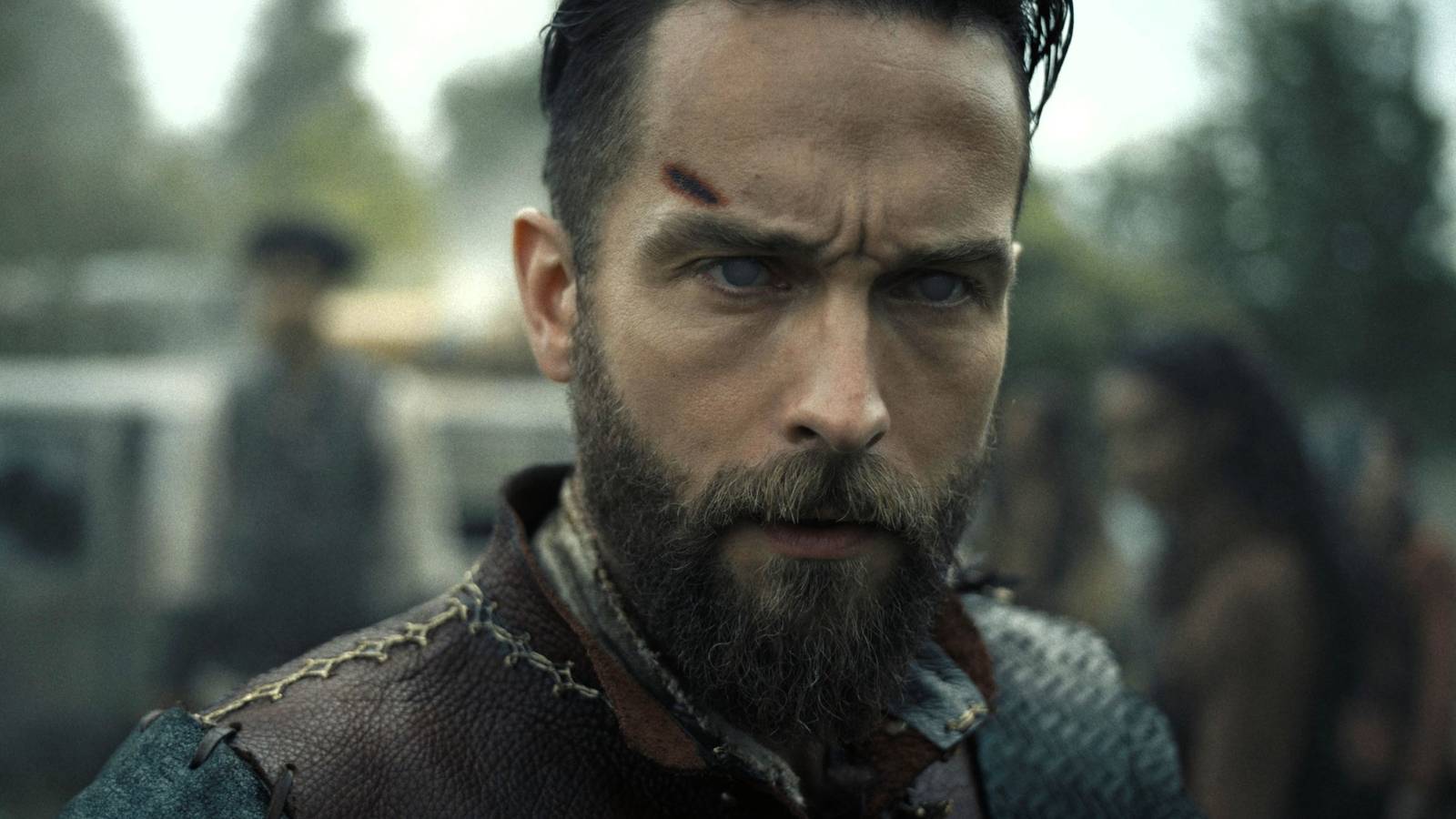
MobLand feels like Ritchie aging into heavier furniture. It follows two crime families with old grievances and modern business power. At the center is Harry Da Souza (Tom Hardy), a fixer who walks into burning rooms and leaves with fewer bodies. That's fantastic Ritchie material: fixers combine language, threat, class-reading, and violence like punctuation.
What keeps it at number three is that it feels less like pure Ritchie and more like him entering a prestige-crime machine. The dialogue bites, the menace turns funny fast, and the social reading is strong. But it lacks the beautifully overclocked mischief of the top two. It's more granite than fireworks. Hardy gives Harry tremendous tired-force energy, and the older-generation poison adds real thickness. I admire it, but I don't love it with that helpless Ritchie-fan grin.
2. 'Young Sherlock' (2026–)
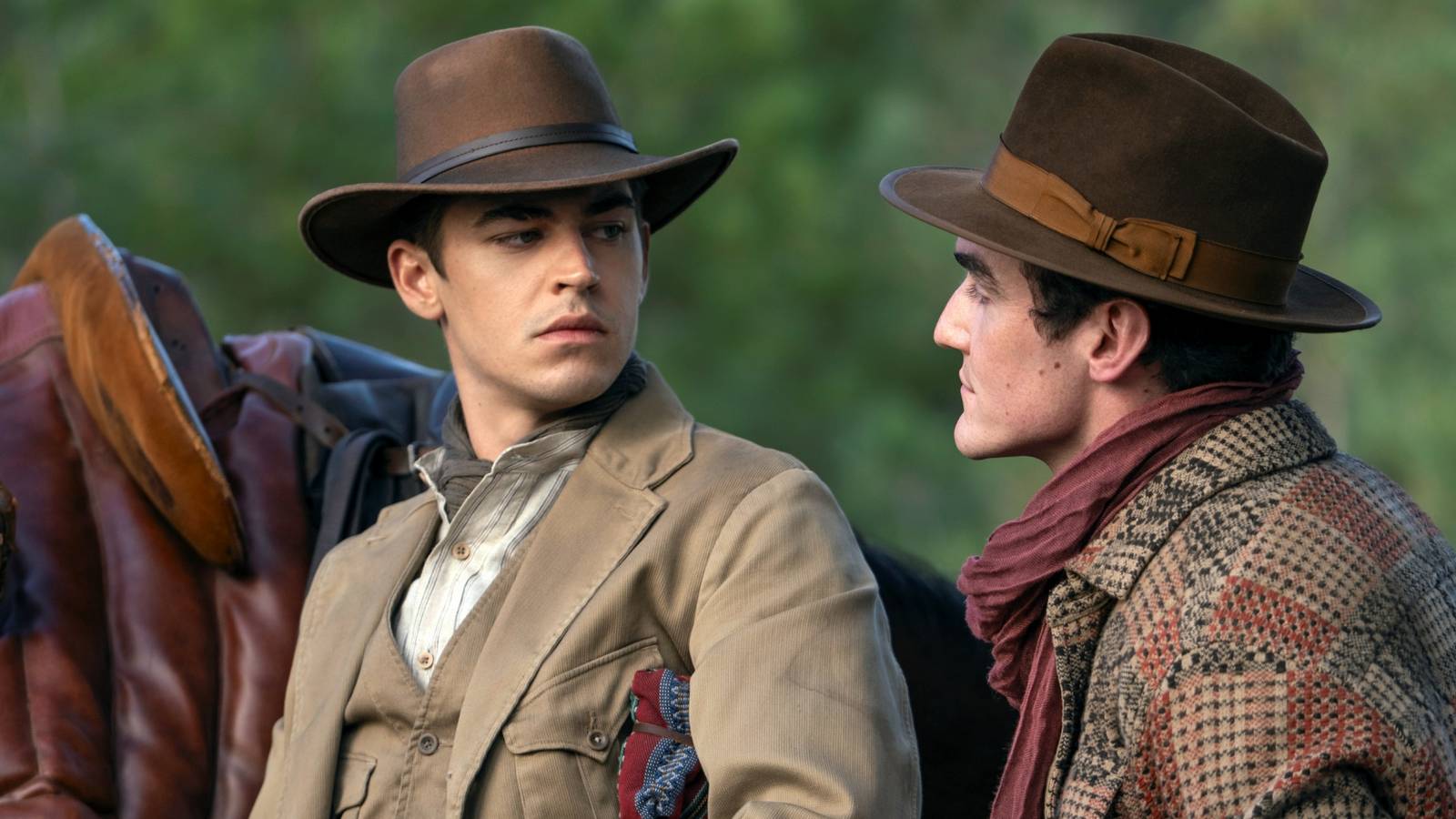
This ranking might upset people, but as a Ritchie fan, I have to put it here. Young Sherlock is built around Ritchie's love of intelligence as combat. The pleasure isn't just solving mysteries—it's watching Sherlock Holmes (Hero Fiennes Tiffin) realize the world is a jungle of hidden motives, coded class behavior, and institutional rot. The show turns deduction into a weapon, and every scene crackles with that energy.
It's a perfect fusion of Ritchie's two instincts: velocity and sprawl. The dialogue snaps, the world feels alive, and the young Holmes is a compelling prodigy learning how power really smells. For a deep dive into similar storytelling, check out The 8 Most Flawless TV Dramas of the Past 6 Years, Ranked. This show earns its spot near the top.
1. 'The Gentlemen' (2024–)
At number one is The Gentlemen, the show that proves Ritchie's brand of chaos works brilliantly on TV. It takes the film's world—aristocratic rot, criminal idiocy, and fast-talking fixers—and expands it into a sprawling dynasty saga. Every character has a private angle, every scene shifts the power map, and the pressure system is airtight.
The show turns Ritchie's instincts into fuel. The velocity is there in the cockney patter and dumb plans. The sprawl is there in the inheritance battles and institutional betrayals. It's the full pulse, the living show that makes you grin with delight. For more on Ritchie's crime universe, see Tom Hardy's MobLand Exit: How Guy Ritchie's Crime Thriller Could Reinvent Itself in Season 3. This is Ritchie at his best.
Ultimately, these shows reveal that Ritchie's style isn't just surface sugar—it's real storytelling muscle. When he balances velocity and sprawl, the result is unforgettable television. And if you're a fan of dark, layered worlds, don't miss Top 10 Dark Fantasy Films of the 21st Century, Ranked.