In television, more isn't always better. Sometimes, a single season contains everything needed to create something truly extraordinary—a complete, resonant story that leaves audiences satisfied yet longing for what might have been. These limited-run wonders, whether planned as miniseries or cut short by cancellation, represent television at its most potent and memorable.
What makes a one-season show legendary? It's that magical combination of flawless writing, unforgettable performances, and a narrative that lingers long after the credits roll. These series prove that impact isn't measured in episode counts, but in the emotional imprint they leave on viewers and the television landscape itself.
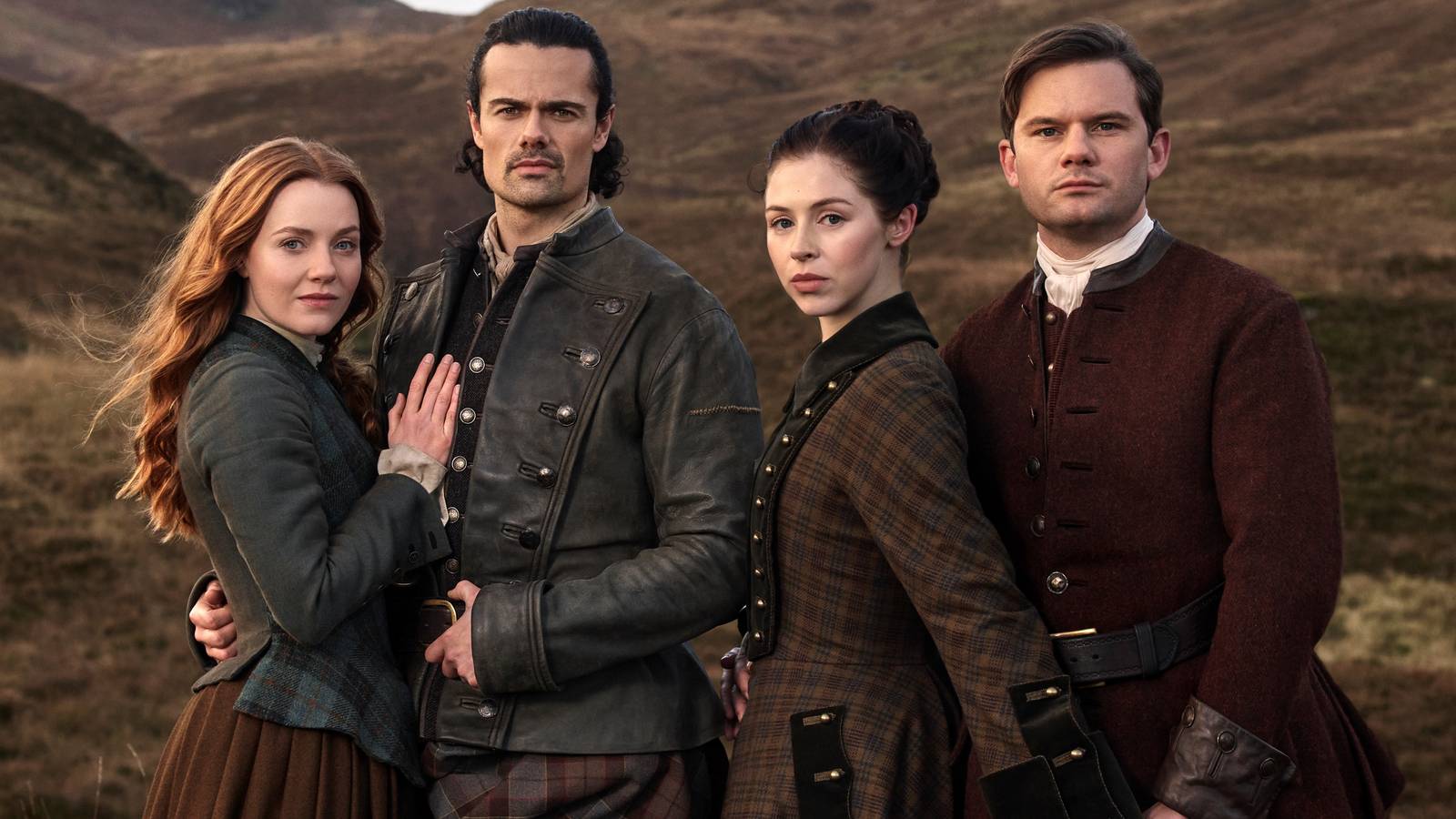
Band of Brothers (2001)
Before prestige television became commonplace, HBO's Band of Brothers redefined what war storytelling could achieve on the small screen. This ten-episode masterpiece, produced by Tom Hanks and Steven Spielberg, followed the harrowing journey of Easy Company from training through D-Day and until the end of World War II. What set it apart wasn't just the cinematic production values, but its profound humanity—interviews with actual veterans woven throughout gave the drama an authenticity rarely seen in historical fiction.
The series demonstrated how television could handle epic narratives with nuance and depth that even feature films couldn't match. Its legacy extends beyond its Emmy-winning run, inspiring subsequent war series like The Pacific and Masters of the Air. Band of Brothers remains the gold standard for historical miniseries, proving that some stories are perfectly told in one complete, devastatingly beautiful season.
Boots (2025)
Netflix's Boots arrived as both a triumph and a tragedy—a critically acclaimed series that found its audience too late to secure renewal. Based on Greg Cope White's memoir The Pink Marine, the show followed a closeted teenager navigating Marine Corps basic training during the "Don't Ask, Don't Tell" era. Miles Heizer delivered a career-defining performance, supported by a breakout turn from Max Parker as a conflicted sergeant.
What made Boots special was its exploration of masculinity, found family, and identity within a repressive system. As the final project from legendary producer Norman Lear, it carried his signature blend of social commentary and heartfelt storytelling. Despite strong viewership and reviews, Netflix canceled the series after one season, leaving fans to wonder what might have been. Its cancellation echoes other streaming casualties like Warrior Nun, another genre gem that deserved more time.
Freaks and Geeks (1999-2000)
Few shows have achieved such legendary status from such a brief run. Set in a Michigan high school at the dawn of the 1980s, Freaks and Geeks captured adolescent anxiety with unprecedented authenticity. The series launched the careers of James Franco, Seth Rogen, Jason Segel, and Linda Cardellini, who brought Paul Feig and Judd Apatow's vision to life with remarkable nuance.
NBC's decision to cancel the show after 18 episodes remains one of television's great what-ifs. Yet its influence is undeniable—it paved the way for the entire Apatow comedy empire and redefined how teen dramas could balance humor with genuine emotional stakes. Like cinematic masterpieces that define entire eras of film, this single season continues to resonate decades later.
The Haunting of Hill House (2018)
Mike Flanagan's Netflix horror series demonstrated how genre television could achieve profound emotional depth. While technically the first installment in an anthology, this self-contained season stands as a complete masterpiece of supernatural storytelling. The series brilliantly wove family drama with genuine terror, creating character-driven horror that lingered in the psyche long after the scares subsided.
What set Hill House apart was its meticulous craftsmanship—each episode built toward a devastatingly beautiful conclusion that prioritized emotional resolution over cheap thrills. It proved that horror could be both intellectually satisfying and deeply moving, setting a new standard for what the genre could achieve in television format.
These shows remind us that television excellence isn't about longevity, but about execution. Whether planned as limited series or cut down in their prime, they achieved something remarkable: complete, satisfying narratives that left audiences transformed. In an era of endless franchises and multi-season arcs, there's something uniquely powerful about a story that knows exactly when to end.
From war epics to high school dramas, these single-season wonders demonstrate that sometimes the most impactful television experiences come in perfectly contained packages. They join other cultural touchstones like definitive video game experiences that achieve perfection in one complete journey, leaving us satisfied yet forever wondering about roads not taken.