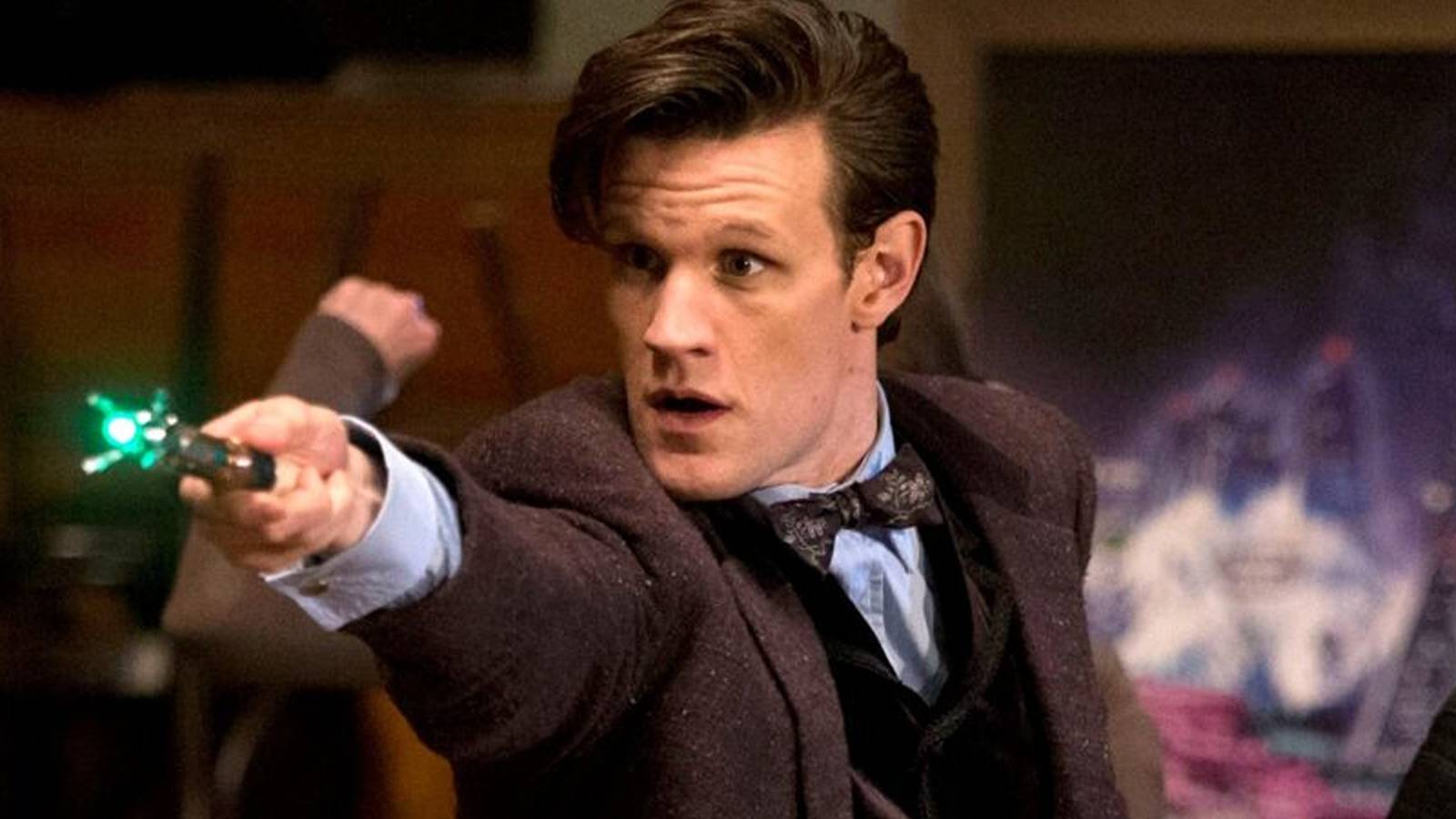
For over six decades, Doctor Who has thrived on a simple secret: it doesn't need to become a different show to feel new. Every regeneration is a built-in reset button, bringing a new Doctor, new companions, and a fresh tone. That flexibility is why the series has outlasted almost every franchise it's compared to. So why do recent reboot rumors feel less like excitement and more like a warning?
The whispers started with an alleged leaked press release suggesting a partnership between the BBC, Sony, and AMC Networks for a full franchise reboot. No official announcement has been made, and the rumored dates came and went. But the conversation itself has exposed a deeper anxiety about the show's future.

The Current Era Feels Adrift
Pairing the words Doctor Who and reboot naturally stirs unease among fans. The current era has struggled to maintain mainstream momentum. Ratings talk is messy, fan discourse is fractured, and the show sometimes seems unsure what it wants to be—even with the return of showrunner Russell T. Davies. That uncertainty matters more than continuity confusion. The 2005 revival worked because it repositioned the series for a modern audience without stripping away its weirdness. It felt emotional, contemporary, funny, and unapologetically strange. Even newcomers instantly got the tone. That magic has been hard to replicate, even with Disney's backing.
Recent seasons have felt pulled in too many directions. Some episodes lean heavily on nostalgia and legacy iconography, others chase blockbuster spectacle, and some seem designed to spark online lore debates. Under those circumstances, a reboot makes a certain amount of sense. A fresh start could help the franchise rediscover a stronger creative identity. But it also risks mistaking a continuity reset for meaningful creative evolution.
Regeneration: The Original Reboot
Most franchises reboot because continuity becomes intimidating. Characters accumulate decades of backstory, timelines get tangled, and new audiences feel locked out. Doctor Who was designed to avoid that trap. Regeneration lets the series evolve without abandoning its past. That structure is its greatest creative advantage. Ironically, the reboot rumors misunderstand the real problem. Casual audiences didn't fall in love with the show because they understood Gallifreyan history. They connected with memorable companions, emotional stakes, and the sense that anything could happen. When the franchise works, continuity is background texture, not the main attraction.
Reboot Could Revitalize—or Flatten
A Doctor Who reboot could absolutely work in the right hands. A bold creative team that embraces the show's quirkiness could redefine it for a new generation. But modern reboots often focus on brand management and nostalgia recognition instead of a distinct creative identity. That risk feels especially dangerous for Doctor Who, because inconsistency has always been part of its appeal. Every era reflects different fears, cultural moments, and storytelling priorities. That unpredictability is part of the franchise's identity. But unpredictability can't sustain interest without characters and arcs audiences care about.
Doctor Who risks becoming smaller the moment it treats its past like a checklist of recognizable elements to repackage. The show has survived for over sixty years because it evolves around new actors, new companions, and new creative voices. Any reboot that forgets that in pursuit of a cleaner, more marketable version risks stripping away the exact qualities that allowed the series to endure.
For more on how other franchises handle reinvention, check out our look at Sci-Fi Franchises That Keep Getting Better With Each New Movie. And if you're curious about reboots that missed the mark, read HBO's 'Westworld' Movie Reboot Misses the Point.