It's a rare feat in Hollywood: a film franchise that doesn't just maintain quality but actually improves with every new installment. Most series start strong and then fizzle out, or they bounce between highs and lows like a rollercoaster. But a select few sci-fi franchises have managed to defy the odds, delivering movies that get bigger, bolder, and better as they go along.
Whether it's through escalating spectacle, deeper world-building, or sharper storytelling, these six series prove that sequels can be more than just cash grabs. They're proof that sometimes, the best is yet to come.

Legendary's MonsterVerse: Bigger and Louder Every Time
When Godzilla stomped back into theaters in 2014, fans were excited but divided. The film was a slow-burn take on the classic kaiju, heavy on atmosphere but light on monster mayhem. Then came Kong: Skull Island and Godzilla: King of the Monsters, each one a bit more chaotic than the last. But it wasn't until Godzilla vs. Kong in 2021 that the MonsterVerse truly found its groove, delivering the kind of rampaging, popcorn-munching fun audiences craved.
Now, with Godzilla x Kong: The New Empire, the franchise has reached its peak of boisterous, escapist carnage. Each film seems determined to outdo its predecessor in sheer scale and spectacle. The upcoming Godzilla x Kong: Supernova (set for 2027) promises even more, with rumors of SpaceGodzilla and a star-studded cast including Kaitlyn Dever, Jack O'Connell, and Delroy Lindo. It's a franchise that knows exactly what it is—and keeps getting better at it.
The Riddick Saga: From Low-Budget Gem to Polished Epic
Vin Diesel's Riddick franchise is a fascinating case study in evolution. It started with Pitch Black in 2000, a lean, mean sci-fi horror hybrid that used its modest budget to create genuine tension. Then came The Chronicles of Riddick, a sprawling space opera that expanded the universe in ambitious ways. Finally, 2013's Riddick stripped things back to a gritty, grounded thriller that felt darker and more mature than its predecessors.
While some fans argue the original is the best, there's no denying that each film improves on the production values, world-building, and Diesel's command of the character. The action gets more visceral, the stakes feel higher, and the universe feels richer with every outing. It's a rare example of a franchise that evolves without losing its core identity.
Denis Villeneuve's Dune: A Masterpiece in the Making
Denis Villeneuve's Dune films are still in their early stages, but they've already set a staggeringly high bar. The 2021 Dune was a masterclass in world-building, introducing audiences to the desert planet of Arrakis with breathtaking visuals and meticulous detail. Then Dune: Part Two came along and somehow surpassed it, diving deeper into Frank Herbert's themes of power, faith, and colonization.
What makes this franchise so exciting is its trajectory. Part Two didn't just match the first film's technical excellence—it elevated the narrative, focusing on Paul Atreides' moral decay and his manipulation of the Fremen. If Dune: Part Three continues this trend, it could cement the series as one of the greatest achievements in sci-fi cinema. For more on the expanding universe of sci-fi storytelling, check out our piece on why Netflix's Russian cyberpunk gem 'Better Than Us' outshines most sci-fi.
The Planet of the Apes Reboot: A Rare Triumph
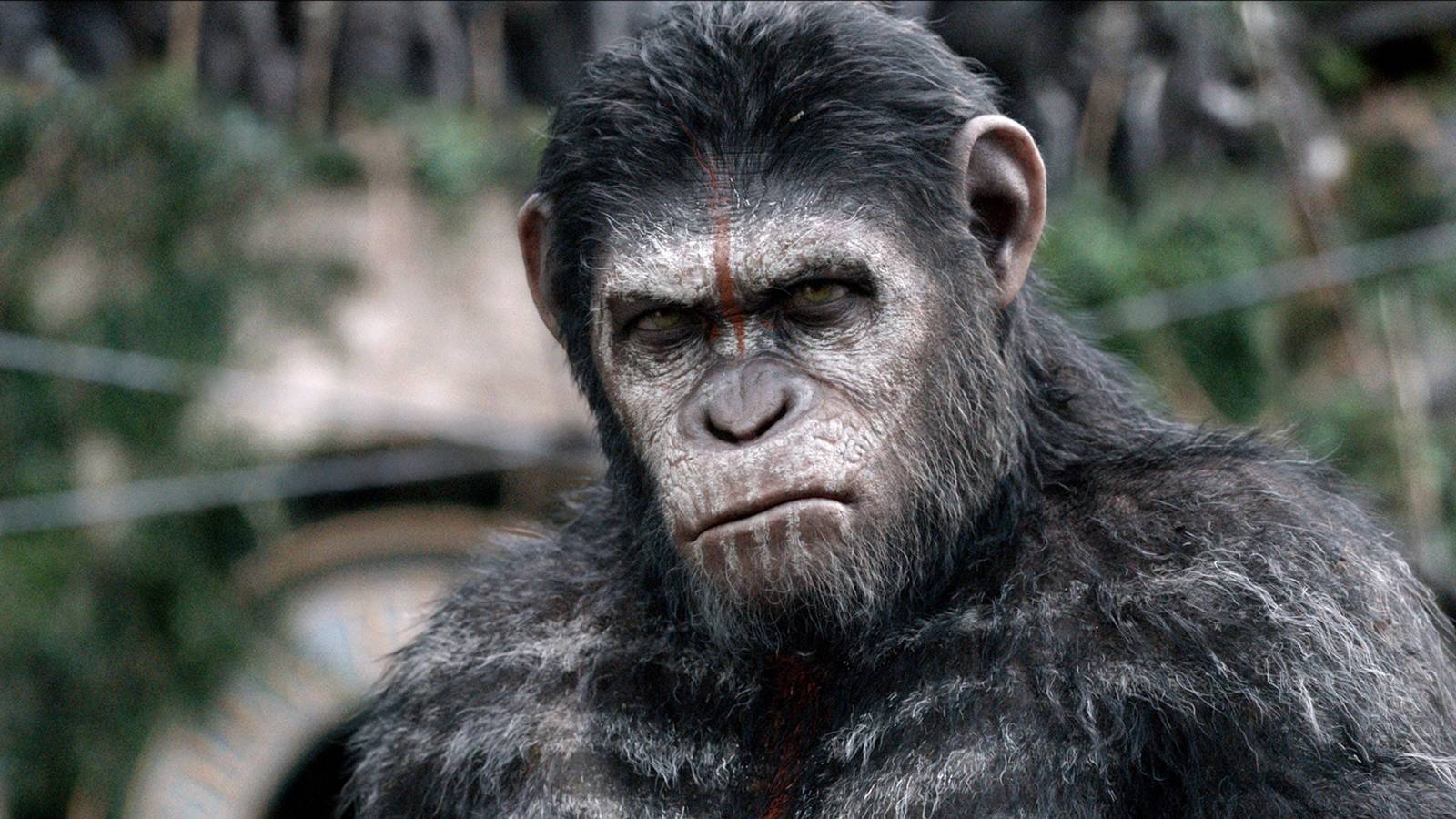
The modern Planet of the Apes trilogy—starting with Rise of the Planet of the Apes in 2011—is a textbook example of how to reboot a franchise. Each film builds on the last, deepening the emotional stakes and the complexity of the ape society. Dawn of the Planet of the Apes raised the bar with its tense human-ape dynamics, and War for the Planet of the Apes delivered a poignant, almost biblical conclusion.
What's remarkable is how the series uses motion-capture technology not as a gimmick but as a tool for profound storytelling. Caesar's journey from a lab experiment to a revolutionary leader is one of the most compelling arcs in modern cinema. The franchise proves that sequels can be smarter, more emotional, and more visually stunning than their predecessors.
Mad Max: Chaos That Keeps Evolving
George Miller's Mad Max franchise has been reinventing itself for over four decades. The original 1979 film was a raw, low-budget revenge thriller. The Road Warrior expanded the world with its iconic car chases and post-apocalyptic lore. Mad Max Beyond Thunderdome added a touch of theatricality. But it was Mad Max: Fury Road in 2015 that redefined the franchise, delivering a non-stop adrenaline rush that was both a critical and commercial triumph.
Now, with the prequel Furiosa on the horizon, the franchise shows no signs of slowing down. Each film has pushed the boundaries of action filmmaking, and the world of the Wasteland feels richer with every entry. It's a testament to Miller's vision that a series can keep getting better after 40 years.
Avatar: The Box Office King Keeps Growing
James Cameron's Avatar franchise is a juggernaut that only seems to get bigger. The 2009 original was a visual revolution, and its 2022 sequel, The Way of Water, expanded the world of Pandora with stunning underwater sequences and deeper character development. The upcoming Avatar: Fire and Ash promises to continue this trend, with Cameron reportedly pushing the boundaries of 3D and visual effects even further.
What makes Avatar unique is its commitment to world-building. Each film feels like a new chapter in an epic saga, with the technology and storytelling improving in lockstep. For more on the franchise's streaming dominance, see our report on Disney's $1.5B 'Avatar: Fire and Ash' dominates Apple TV streaming. It's a rare example of a franchise that uses its massive budget to create something genuinely new and immersive.
These six franchises prove that improvement is possible, even in an industry often driven by diminishing returns. Whether through bigger explosions, deeper themes, or richer worlds, they keep raising the bar—and we can't wait to see what comes next.