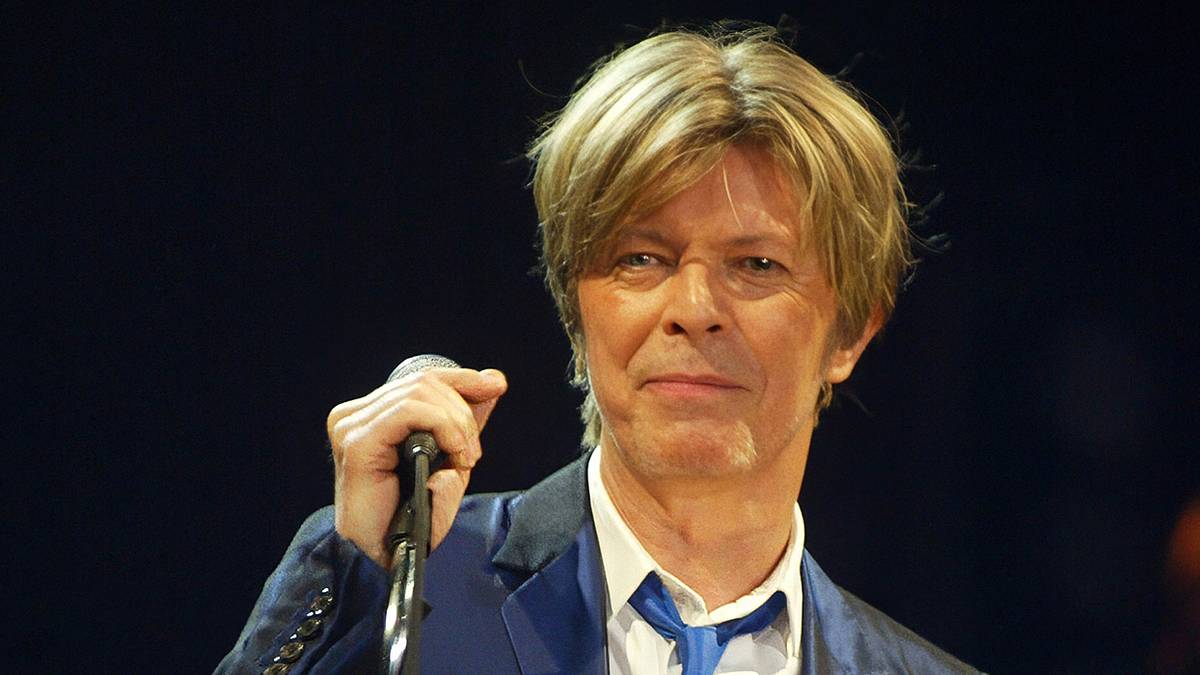
David Bowie's legacy is built on transformation, but some of his most fascinating work involves the songs he didn't originally write. A prime example is "Criminal World," a track from his blockbuster 1983 album Let's Dance. While the album catapulted him to global superstardom with hits like the title track and "Modern Love," this particular cover has quietly evolved, its funky, subversive energy feeling more potent and prescient four decades later.
The Original 'Criminal World': A Song Too Daring for Its Time
Long before Bowie got his hands on it, "Criminal World" was a product of the English glam rock band Metro. Released in 1977, the original version was a brooding, avant-garde piece with muttered vocals and a steady, percussive drive. Its true controversy, however, lay in its lyrics. Using cheeky metaphors that intertwined sexuality with crime and violence, the song painted a picture of lost innocence that proved too much for broadcasters. The BBC promptly banned it, effectively burying Metro's commercial prospects and leading to the band's dissolution.
This story of a great song being sidelined by censorship isn't unique. For every track that breaks through, countless hidden gems fade from view, waiting for a second chance at discovery.
Bowie's Funk Transformation
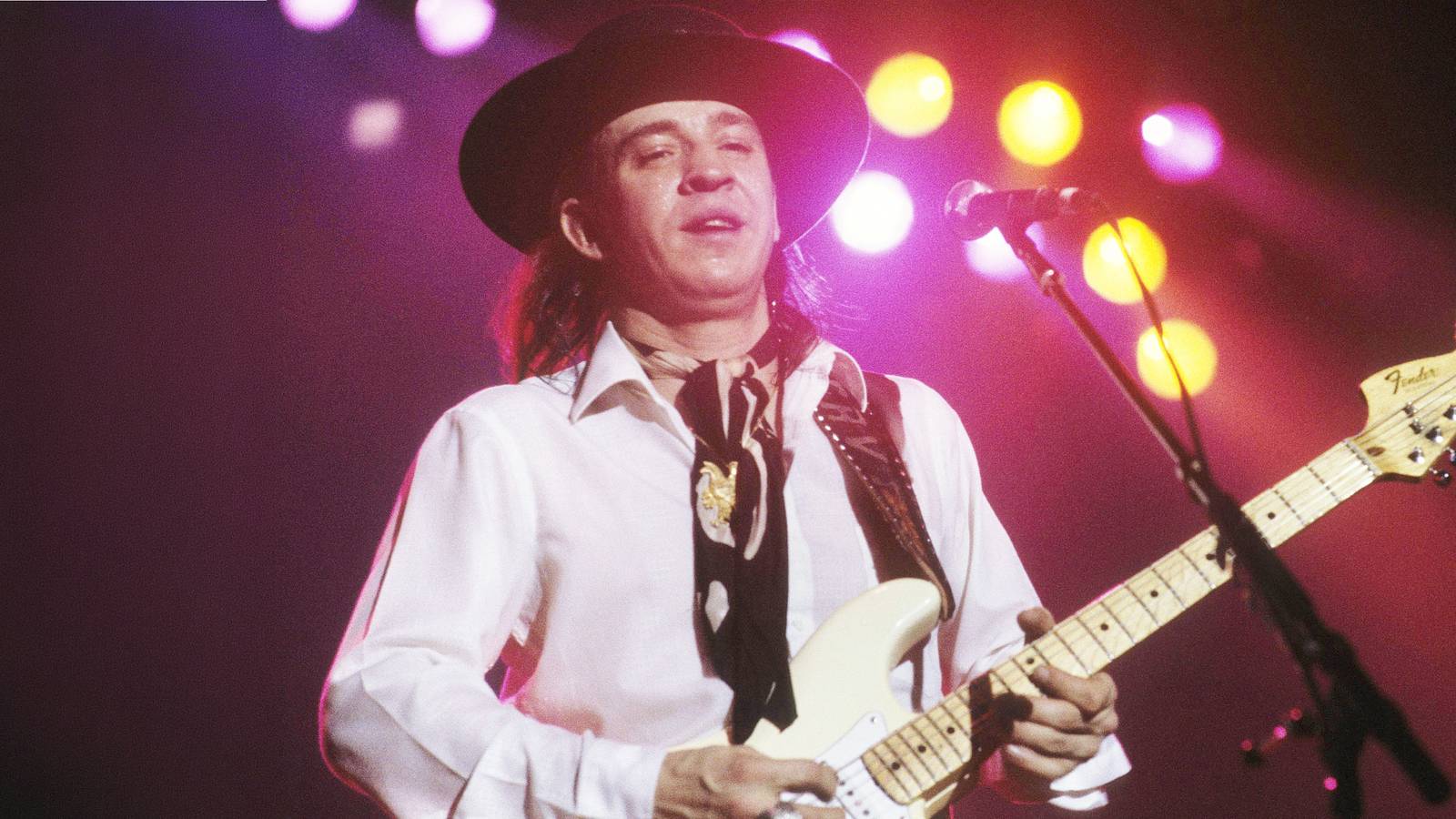
Enter David Bowie in 1983. Already a shapeshifting icon, he was assembling an album that would fuse rock with dancefloor rhythms. For "Criminal World," he didn't just perform a cover; he executed a complete reinvention. Out went the muted art-rock feel, replaced by a sleek, infectious funk backbone. He enlisted a then-little-known guitarist named Stevie Ray Vaughan, whose sharp, rhythmic licks became the song's new nervous system. Bowie also tweaked the lyrics, leaning further into the provocative imagery and aligning it with his own enigmatic persona.
Where Metro hinted, Bowie declared. The result was a track that felt both of its moment—the glossy, ambitious sound of Let's Dance—and strangely ahead of it.
Why It Hits Harder Now
Today, the genre-blending Bowie pioneered on "Criminal World" is the norm. The seamless mix of funk rhythms, pop sensibility, and rock guitar he championed echoes in modern hits from Bruno Mars to Daft Punk. Listening back, the track sounds less like a 1983 relic and more like a blueprint for contemporary pop-funk. Its themes of blurred morality and coded desire also resonate in an era of complex storytelling in music and television, much like the layered mysteries found in shows such as Prime Video's 'House of David'.
Furthermore, the song's history—a brilliant original stifled, then resurrected and reimagined by a visionary artist—speaks to the cyclical nature of entertainment. Forgotten works often find new life, whether it's a Bowie deep cut gaining fresh appreciation or a forgotten sci-fi film finding an audience on a new streaming platform.
A Legacy of Rediscovery
Bowie's "Criminal World" ultimately accomplished what the best covers do: it honored the original's spirit while becoming something entirely new and owned by the interpreter. In the process, it cast a belated spotlight on Metro, a band whose potential was cut short. The track stands as a testament to Bowie's genius for curation and transformation, proving that sometimes, the right artist can unlock a song's future relevance decades before the world catches up.
It's a reminder that in music, as in film, greatness isn't always immediate. Some creations, like forgotten performances or underrated albums, simply need time—and the right context—to be fully understood. Four decades on, the funky, daring pulse of Bowie's "Criminal World" has finally found its moment.