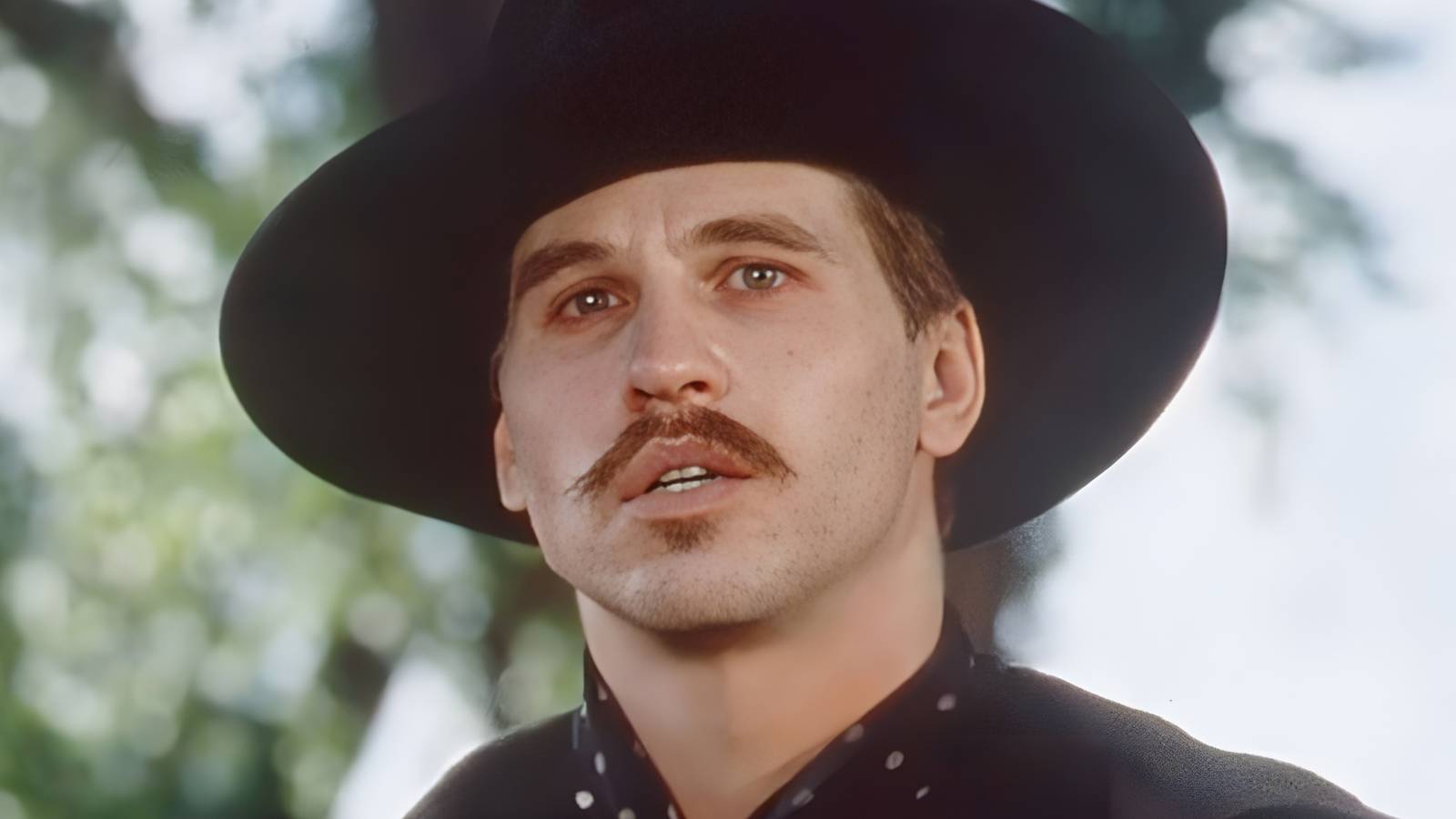
Val Kilmer's portrayal of Doc Holliday in 1993's Tombstone remains one of cinema's most iconic Western performances. So it might surprise fans that nearly two decades later, Kilmer saddled up for another trip to the Old West, this time not as the consumptive gambler, but as the legendary lawman himself. The 2012 film Wyatt Earp's Revenge offered Kilmer a chance to revisit the genre, but the result was a far cry from the dusty streets of Tombstone.
A Different Kind of Earp Story
Wyatt Earp's Revenge presents an aging Earp (Kilmer) recounting a violent chapter from his past to a reporter. The story flashes back to a younger Earp (Shawn Roberts) leading a posse—including Bat Masterson and other famed lawmen—on a mission of vengeance after the murder of his love, Dora Hand. The premise held promise: a personal, gritty tale of retribution from the perspective of a legend reflecting on his youth.
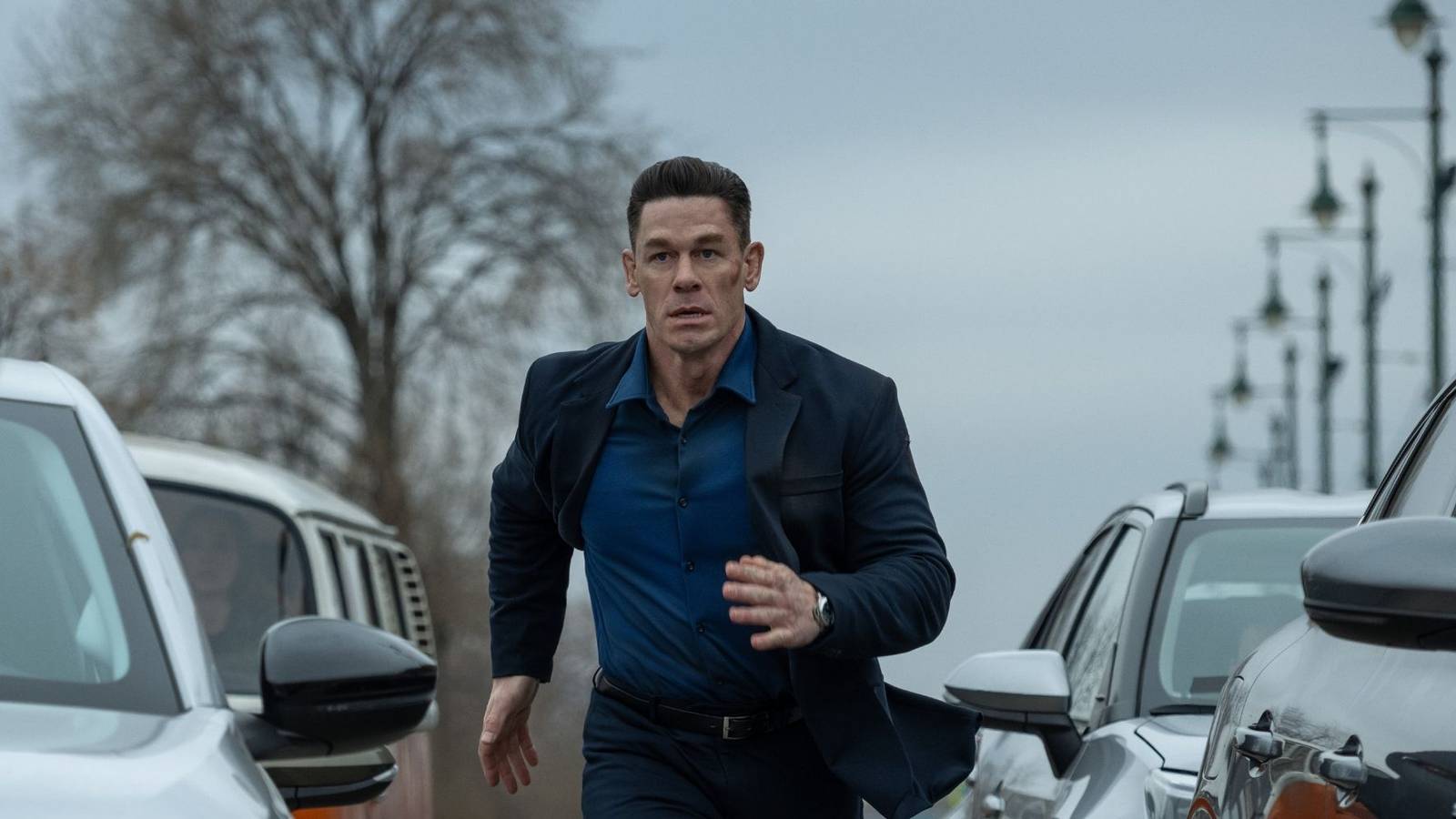
Unfortunately, the film struggled to live up to its potential. Critics and audiences noted it felt like a standard direct-to-video production, with Kilmer largely confined to a chair, narrating events with minimal dramatic range. The production values and script couldn't match the epic scale or sharp dialogue of Tombstone, leaving Kilmer's star power underutilized. For viewers seeking a worthy follow-up to his earlier Western triumph, this was a disappointing detour.
An Unexpected Scene-Stealer Arrives
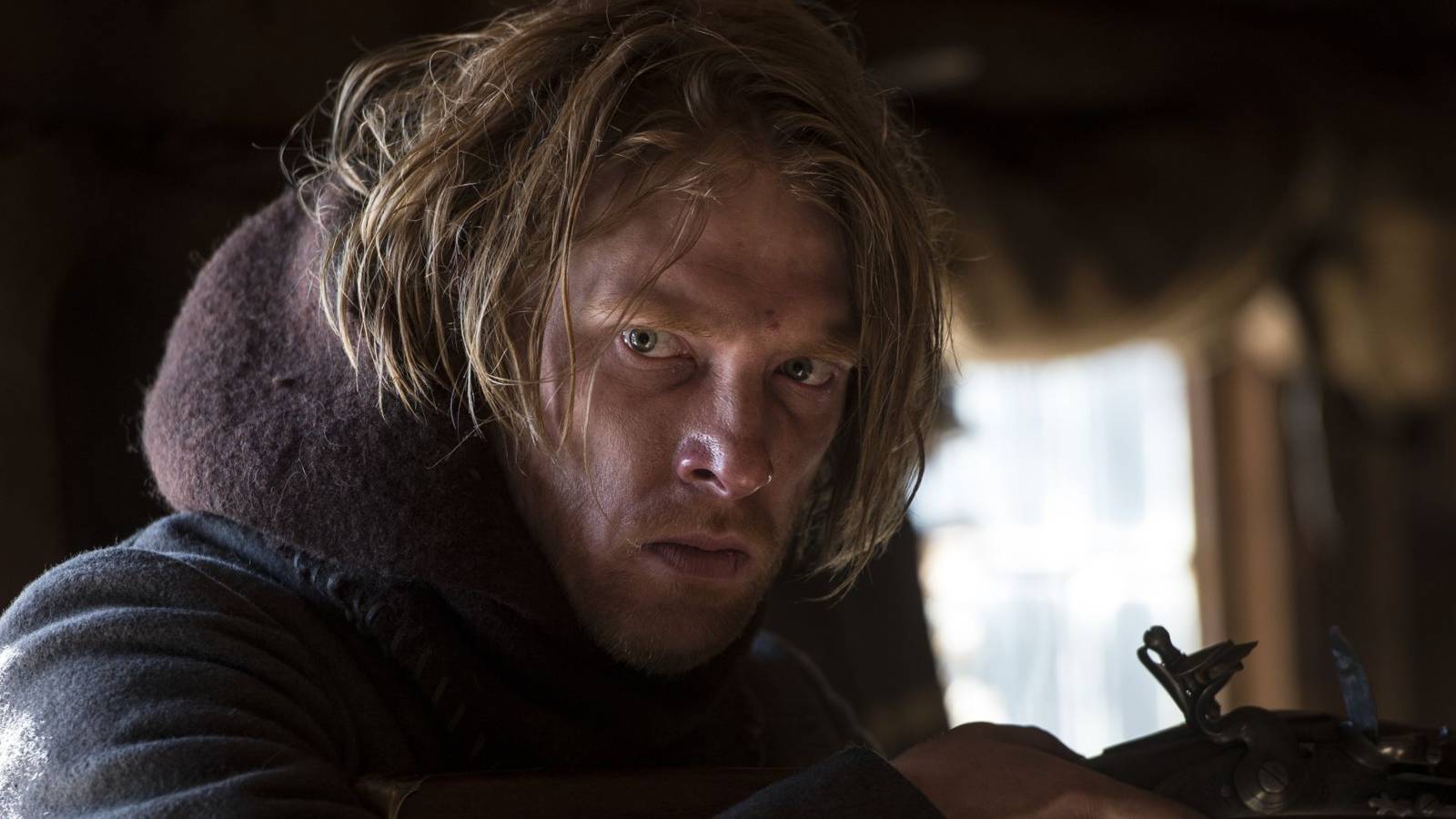
Just when the film seems to be plodding along, a burst of energy arrives in the form of Doc Holliday. Played by Wilson Bethel, later known for his role as Bullseye in Daredevil, this version of Holliday is a clear and deliberate homage to Kilmer's own iconic take. Bethel leans into the role with theatrical gusto, mimicking the cadence and demeanor that made Kilmer's Holliday so memorable.
Bethel's performance walks a fine line between tribute and parody, becoming the most entertaining part of the movie. He even incorporates real historical quotes from the actual Doc Holliday. His brief appearance sparks the film to life, creating a fascinating meta-moment where a new generation actor pays tribute to his co-star's legendary role, almost as if trying to impress Kilmer himself. It's a bright spot in an otherwise forgettable tale.
Why This Western Faded from Memory
The film's shortcomings highlight the challenges of revisiting iconic genres and characters. While the concept of an older Earp grappling with his past is rich material, Wyatt Earp's Revenge was hampered by a limited budget and a script that failed to capitalize on its star or its interesting premise. It serves as a curious footnote in Kilmer's career and in the long history of Wyatt Earp adaptations.
For Western completists or fans intrigued by the unique casting, the film might offer a passing curiosity. It's the kind of title you might discover in a digital bargain bin, prompted by Kilmer's name on the poster. However, it stands as proof that a compelling concept and a famous lead aren't always enough to forge a new classic.
Kilmer's journey with Westerns didn't end here, of course. He had previously appeared in projects like the Lonesome Dove prequel Comanche Moon. Yet, Wyatt Earp's Revenge remains a peculiar entry, best remembered not for Kilmer's return as Earp, but for the brief, electric moment when a future Daredevil star channeled Kilmer's most famous role right in front of him. It's a reminder that sometimes, even in lesser films, there can be unexpected flashes of entertainment gold in them thar hills.