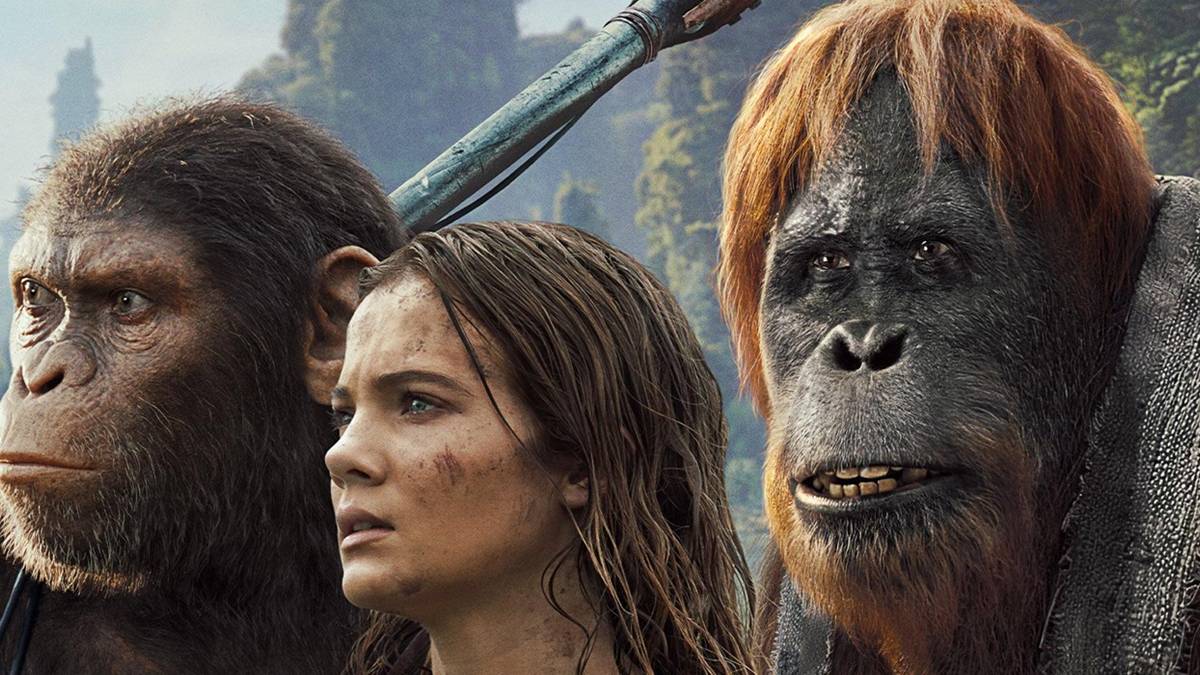
What truly separates humans from animals? While Stanley Kubrick's 2001: A Space Odyssey famously suggested tool use, scientists have debunked that idea—many animals use tools. Surprisingly, the Planet of the Apes franchise offers a more compelling answer: language. Since the 1968 original, the series has used speech—or the lack thereof—as a powerful allegory for humanity's treatment of others and our capacity for both creation and destruction.
In the original film, astronaut Taylor (Charlton Heston) lands on a world where apes speak eloquently while humans are mute and primitive. This inversion highlights how language defines civilization and identity. The recent reboot trilogy, starting with Rise of the Planet of the Apes (2011), deepens this theme by giving apes the gift of language through Caesar (Andy Serkis), a chimpanzee who learns sign language from his human guardian, Will (James Franco). Caesar's first spoken word—"No"—remains one of the franchise's most chilling moments, marking his refusal to accept oppression.

Dawn of the Planet of the Apes (2014) places humans and apes on equal footing, both capable of complex communication. This film explores how language breeds philosophy and ideology, leading to conflict between those who trust (Caesar and Malcolm) and those who fear (Dreyfus and Koba). Caesar realizes that with language comes the potential for the same mistakes humans made. Director Matt Reeves, who also helmed The Batman, crafted a sci-fi masterpiece that examines the burden of intelligence. For more on his work, check out our article on Before 'The Batman,' Matt Reeves Delivered a Sci-Fi Masterpiece With 'Dawn of the Planet of the Apes'.
War for the Planet of the Apes (2017) takes language away from humans as the simian virus evolves to deprive infected humans of speech. The Colonel (Woody Harrelson) uses his own linguistic power to manipulate and wage war, mirroring Caesar's journey into bitterness. The film asks whether any species can wield language without repeating history's tragedies.
Throughout the franchise, language is not just a tool but a mirror reflecting our own humanity. It's the cornerstone of civilization, enabling both cooperation and conflict. The Planet of the Apes series reminds us that what makes us human is not our tools, but our words—and how we choose to use them.
For fans of thought-provoking sci-fi, this franchise remains essential viewing. If you're looking for more underrated gems, check out our list of Underrated Thrillers You Need to Watch Right Now.