In an era where comic book movies often feel like assembly-line products, David Cronenberg's A History of Violence stands as a defiant masterpiece. Now streaming on HBO Max, this 2005 crime thriller—starring Viggo Mortensen, Maria Bello, Ed Harris, and William Hurt—remains as potent and unsettling as ever. Based on John Wagner's 1997 graphic novel, the film is a rare adaptation that honors its source material while forging its own identity.
A Director Unafraid to Get Under the Skin
Cronenberg, known for body-horror classics like Videodrome and The Fly, brings his signature psychological depth to this seemingly straightforward story. He understands that violence isn't just action—it's a force that reshapes identity. This marks his first collaboration with Mortensen, an actor whose internal complexity makes him perfect for a role that requires hiding a monster beneath a gentle facade.

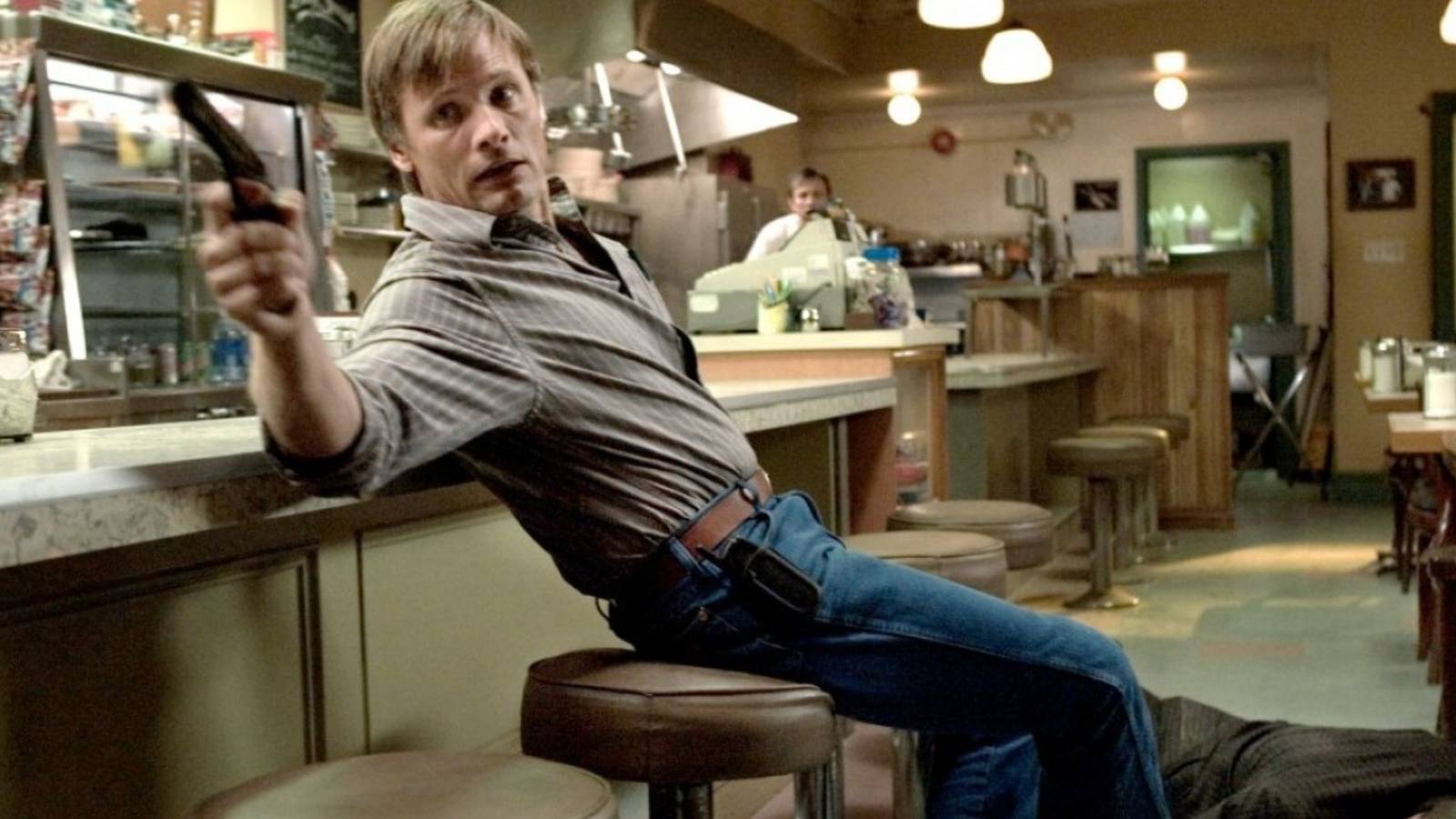
Mortensen plays Tom Stall, a small-town Indiana diner owner whose quiet life shatters when he foils a robbery with brutal efficiency. The local hero worship draws unwanted attention from Carl Fogarty (Ed Harris), a gangster who recognizes Tom as former hitman Joey Cusack. What follows is a tense exploration of whether a man can truly escape his past—or if violence is an inescapable part of who we are.
The Art of Adaptation
Cronenberg doesn't shy away from the comic's pulp roots. Instead, he leans into them, creating a film that feels both like a B-movie and a profound character study. The action sequences—from the diner attack to the climactic showdown with Richie Cusack (William Hurt, in an Oscar-nominated 10-minute performance)—are visceral and stylized, yet grounded in real consequences. Unlike many superhero films, A History of Violence shows that every punch leaves a scar, both physical and psychological.
This deconstruction of the hero's journey resonates today more than ever. Tom's struggle to reconcile his violent past with his desire for a peaceful present mirrors our culture's complicated relationship with aggression and redemption. The film asks: Can a killer ever truly become a good man? And what does it say about America that we celebrate violence while pretending to abhor it?
Why It Still Matters
Twenty-one years later, A History of Violence remains a benchmark for what comic book adaptations can achieve. It's a perfect example of how to translate visual art to film without losing the essence of the original. For fans of action thrillers that outgun John Wick or thrillers that never let go, this is essential viewing. Cronenberg proves that a movie can be both intelligent and entertaining, cerebral and visceral.
If you haven't seen it—or if it's been a while—stream it on HBO Max. It's a reminder that the best crime stories aren't about the violence itself, but about what it does to the people who commit it.