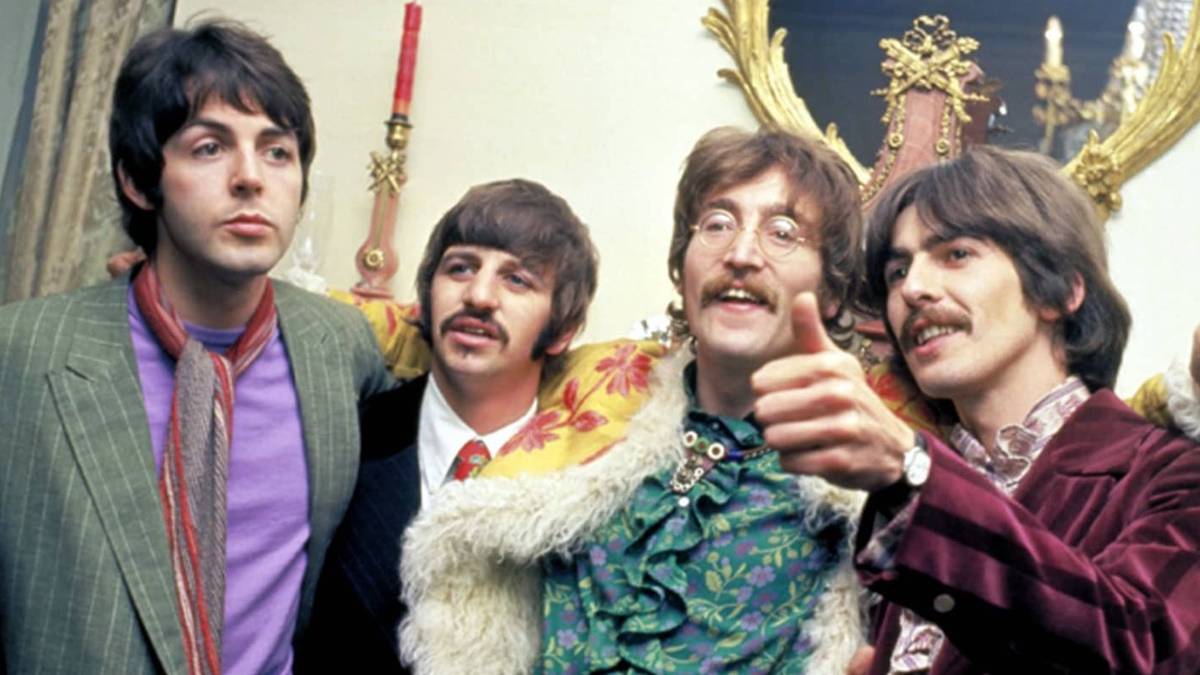
In 1966, Beatlemania had reached a fever pitch, but the Fab Four made a quiet, game-changing decision: they stopped touring. After four years of nonstop live performances, the chaos of screaming fans, and the stress of global fame, John, Paul, George, and Ringo collectively stepped away from the stage. This move wasn't announced—they simply wrapped up their 1966 tour and never returned to live shows. Fans feared a breakup, but instead, the band entered their most creative era, culminating in the 1967 album that would forever alter the landscape of music: Sgt. Pepper's Lonely Hearts Club Band.
The decision to quit touring wasn't just about exhaustion; it was a necessity. The Beatles could barely hear themselves over the roar of audiences, making it nearly impossible to play in tune or keep time. Ringo Starr struggled to maintain rhythm without hearing his bandmates. The 1966 tour also brought turmoil, including a chaotic visit to the Philippines and death threats following John Lennon's controversial comment about the band being "bigger than Jesus." Touring had become a source of stress, not joy.
After retiring from the road, each Beatle took a much-needed break. Paul McCartney worked on a movie score with producer George Martin, John Lennon acted in the film How I Won the War, George Harrison traveled to India to study sitar with Ravi Shankar, and Ringo Starr spent time with his family. This downtime allowed them to recharge and explore new ideas.
When they regrouped, creativity flowed freely. McCartney proposed a novel concept: the band would adopt alter egos, performing as a fictional group called Sgt. Pepper's Lonely Hearts Club Band. Though they eventually dropped the full alter-ego idea, it sparked what is widely considered the first rock 'n' roll concept album. Without the constraints of touring, the Beatles had no deadlines and an almost unlimited budget from their record label. They booked open-ended studio sessions, brought in session musicians, and experimented without limits.
The result was a collection of songs that pushed boundaries. "Being for the Benefit of Mister Kite!" was inspired by a circus poster and featured a carnival-like sound created by splicing recordings of fairground organs and calliope music, then randomly reassembling them. "A Day in the Life" combined two separate pieces by Lennon and McCartney, with Lennon's haunting verses about a car crash and a 40-piece orchestra building to a hypnotic crescendo. The song was even banned by the BBC for its line "I'd love to turn you on."
Sgt. Pepper's Lonely Hearts Club Band became an era-defining masterpiece, showcasing the Beatles at their absolute best. Unburdened by tour schedules, they crafted an album that still resonates nearly 60 years later. For fans of groundbreaking music, this album remains a testament to what happens when artists are given the freedom to create without limits. If you're looking for more hidden gems in entertainment, check out our list of underrated Netflix shows or explore the greatest fantasy movie masterpieces.