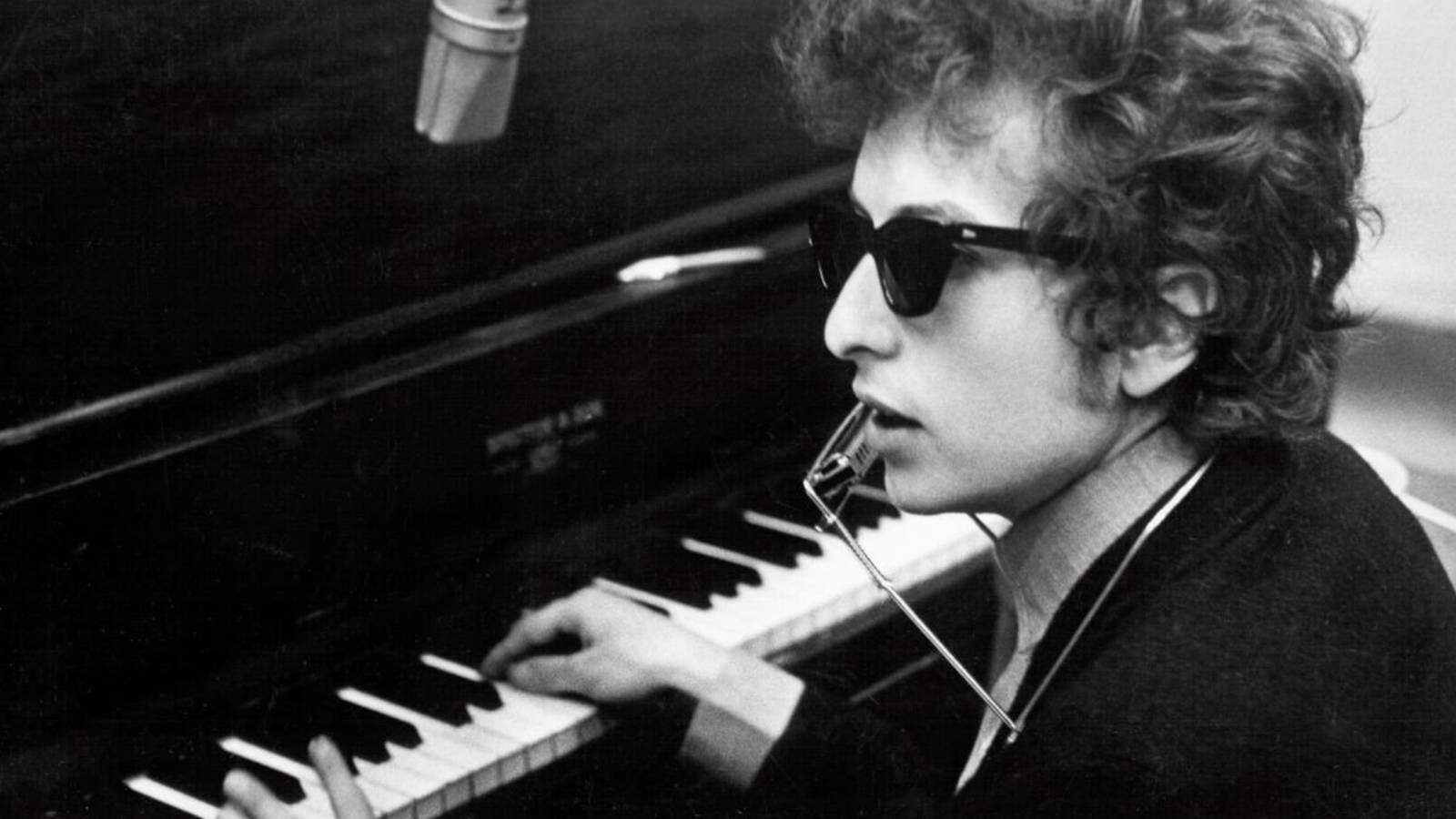
Bob Dylan's 1975 album Blood on the Tracks is widely considered one of his greatest works, a raw and poetic masterpiece that shot to the top of the charts and has captivated listeners for decades. Tracks like "Tangled Up in Blue" have become timeless anthems. Yet, the creation of this landmark record was anything but smooth, mirroring the intense personal turmoil Dylan was experiencing at the time.
A Marriage Unraveling in the Studio
The recording sessions for the album were famously fraught. Dylan initially cut the tracks in New York in late 1974, only to suddenly scrap most of them and re-record five songs in Minneapolis just weeks before release. This artistic restlessness coincided with the very public collapse of his marriage to his first wife, Sara Lownds. Biographers note this period as the definitive end of their relationship, with Dylan beginning an affair during his 1974 tour.

The Song That Cut Too Deep
From this emotional chaos emerged "Idiot Wind," a track dripping with venomous resentment. Its lyrics paint a portrait of bitter misunderstanding, with the singer lashing out at a lover who fundamentally doesn't know him. The chorus is famously brutal, labeling its subject an "idiot" and questioning their very ability to breathe. To fans and critics, the target seemed unmistakably clear: it was a direct, damning indictment of his estranged wife.
Dylan, however, has always fiercely denied the song was autobiographical. He offered alternate explanations, suggesting it was inspired by a phrase used by his painting teacher or was about a character, not a real person. Despite his denials, the public perception became cemented in rock lore, forever linking the song's scathing words to his failed marriage.
A Lasting Regret
It was this very perception that Dylan would later come to regret. In a 1985 interview, he reflected on the song, admitting, "I thought I might have gone a little bit too far with 'Idiot Wind.'" He clarified that his regret wasn't about the song's content being too personal, but that it seemed so personal that listeners would inevitably connect it to someone in his life. The damage, in his view, was in the interpretation he couldn't control.
This puts "Idiot Wind" in a unique position within Dylan's catalog. It's a song celebrated for its raw power and seen as a centerpiece of a legendary album, yet it's one its creator looks back on with a measure of remorse. The disconnect between artistic intent and public reception created a legacy that even Dylan couldn't untangle.
The enduring fascination with the stories behind classic albums shows how art and an artist's life become forever intertwined. For more deep dives into overlooked cinematic stories, explore our features on forgotten American thrillers or the groundbreaking NZ sci-fi film 'The Quiet Earth.'
Ultimately, "Idiot Wind" stands as a monument to a specific, painful moment in a legendary artist's life. Whether heard as a fictional character study or a shocking personal diary entry, its emotional force is undeniable. It serves as a permanent, complicated footnote to the otherwise celebrated legacy of Blood on the Tracks, proving that sometimes the most powerful art carries the heaviest burden for its creator.