When you think of landmark New Zealand cinema, epic fantasies like The Lord of the Rings likely come to mind. But years before hobbits walked Middle-earth, Kiwi filmmakers were crafting intelligent, original genre films. Among them is a brilliant 1985 science fiction drama that tackled the "last person alive" concept with a uniquely local and poignant perspective: The Quiet Earth.
A Lonely Awakening in Auckland
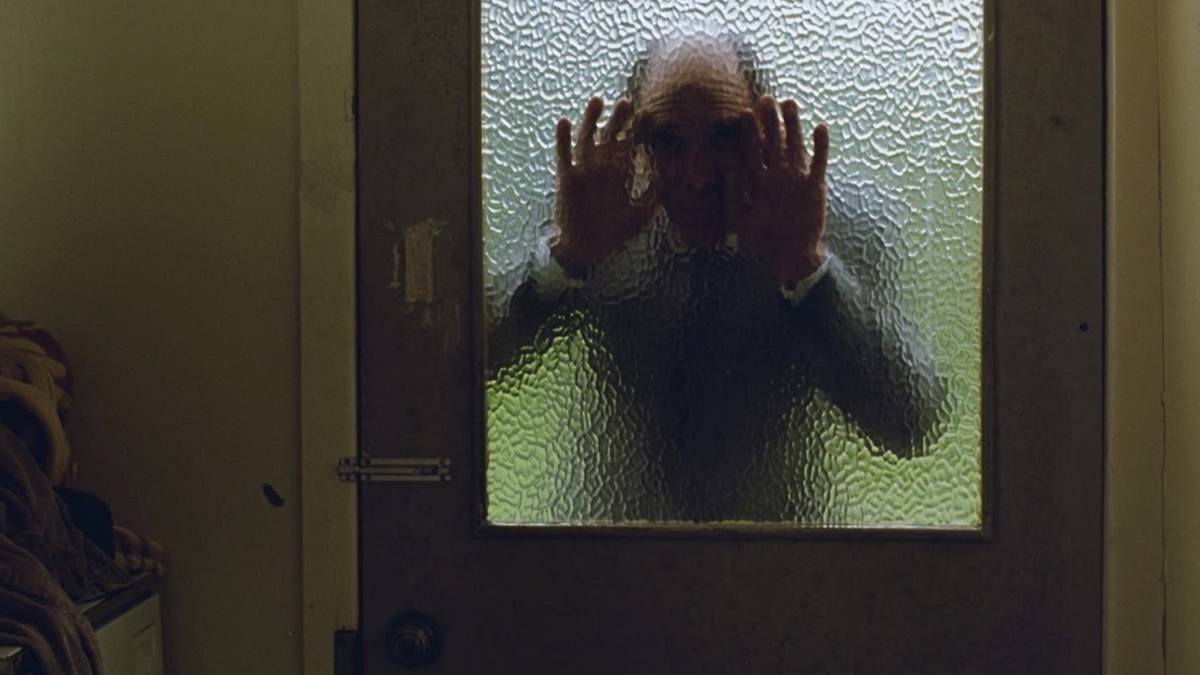
The film follows Zac, a scientist portrayed by Bruno Lawrence, who wakes one morning to find his Auckland neighborhood completely deserted. Panicked, he heads to his laboratory, part of a worldwide project to create a wireless energy grid. He soon realizes a catastrophic side effect of the experiment has seemingly erased humanity—leaving him as the sole survivor. Initially, Zac indulges in the surreal freedom, commandeering mansions and luxury cars, but a crushing guilt over his potential role in the apocalypse begins to consume him.
Just as he starts to unravel, Zac discovers he is not alone. He meets Joanne, a pragmatic young woman played by Alison Routledge, and later, Api, a Maori man portrayed by Pete Smith. The trio forms a fragile community, theorizing they were spared because each was on the brink of death when the global event occurred. As they search for a way to reverse the catastrophe, complex personal dynamics and a simmering love triangle emerge, testing their alliances.
Character Over Spectacle
While the premise echoes later films like I Am Legend, The Quiet Earth distinguishes itself through its intimate scale and focus on psychology. Director Geoff Murphy prioritizes character development over special effects, crafting a story less about the disaster itself and more about the human response to profound isolation and guilt. Zac's journey from rational scientist to a man grappling with madness is compellingly portrayed by Lawrence, who brings impressive depth to the role.
The film also stands out for its thoughtful social commentary, woven seamlessly into the narrative. Tensions arise between Zac and Api, highlighting racial and cultural divides in New Zealand at a time when such discussions were gaining prominence in the national consciousness. The depiction of a mixed-race relationship was notably progressive for its era in local cinema.
For fans seeking more underappreciated cinematic treasures, our list of Forgotten Gems: 10 Action Movies That Deserve Your Attention is a great next stop, or explore the eerie classics in Buried Treasures: 10 Forgotten '70s Horror Gems That Still Deliver Chills.
A Legacy of Quiet Power
The Quiet Earth is not without its dated elements—some characterizations of Joanne feel rooted in 80s sci-fi male fantasy, and the scientific MacGuffin is delightfully batty. Yet, its strengths are undeniable. The cinematography captures an eerily empty New Zealand landscape, and the film builds to a now-legendary, ambiguous ending that has fueled debate among cult film fans for decades.
It remains a testament to the power of small-scale, idea-driven science fiction. In an age of apocalyptic blockbusters, The Quiet Earth offers a more contemplative, human-sized approach to the end of the world, proving that sometimes the quietest stories leave the loudest echo. Its exploration of loneliness, responsibility, and connection ensures it remains a standout, if often overlooked, entry in the sci-fi canon.