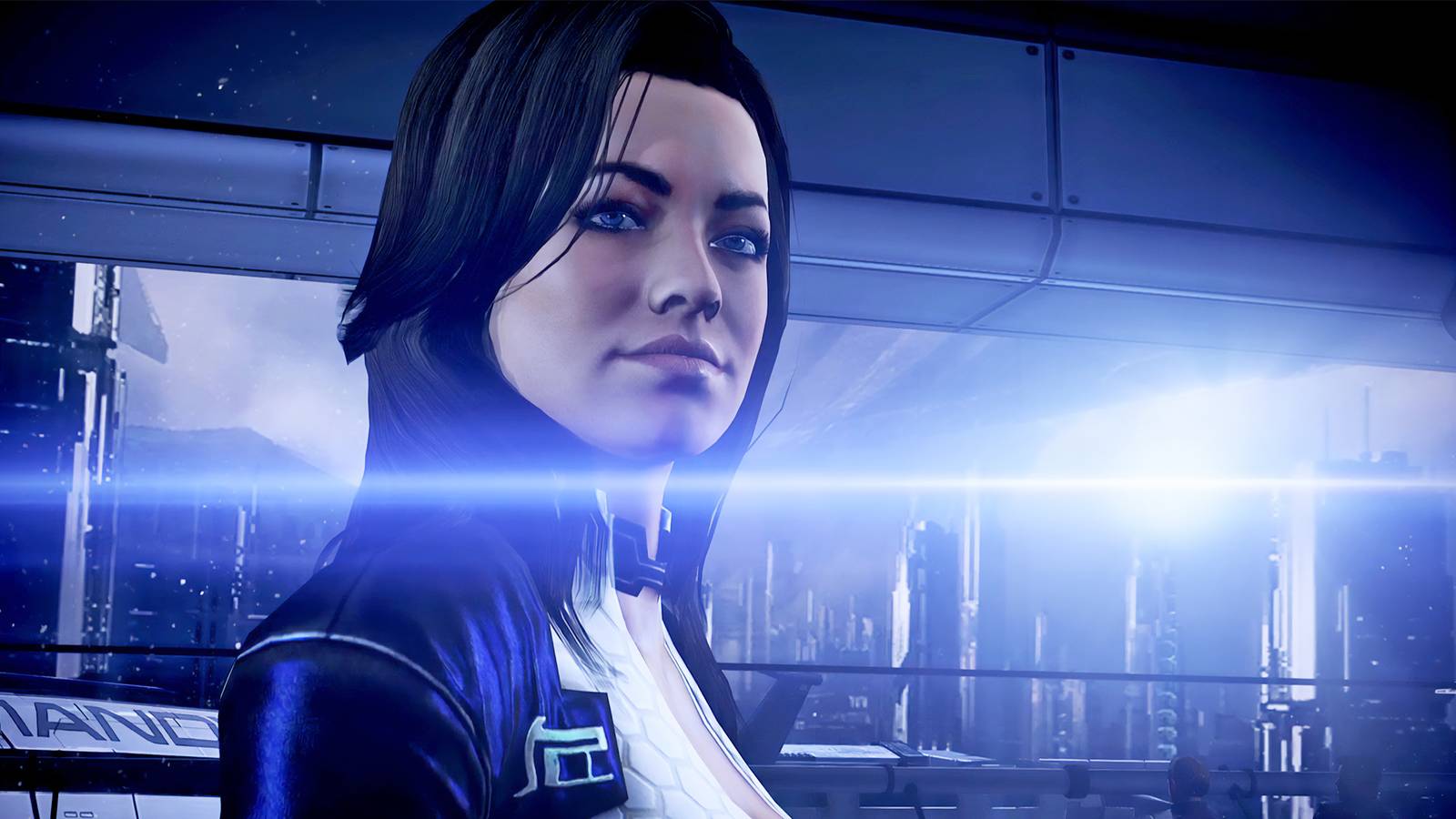
When it comes to science fiction in video games, Mass Effect 2 is often hailed as the undisputed champion. BioWare's 2010 masterpiece follows Commander Shepard on a suicide mission against the insectoid Collectors, blending deep RPG mechanics with a gripping morality system. Its narrative, worldbuilding, and combat earned universal praise, cementing its legendary status. Yet, a handful of sci-fi titles have arguably surpassed it in narrative depth, gameplay innovation, and lasting impact. Here are three that make a compelling case for the crown.
Half-Life 2 (2004)
Valve's Half-Life 2 didn't just match its predecessor's brilliance—it elevated the entire first-person shooter genre. Players reprise the role of silent physicist Gordon Freeman, who awakens 20 years after the original game to find Earth conquered by the alien Combine. Joining a resistance, he fights to liberate humanity in a world that feels both haunting and real.

The game earned universal acclaim for its graphics, physics-based puzzles, and seamless storytelling. Its use of real-world physics and the Source engine created immersive environments that still impress today. The balance of combat, puzzles, and narrative makes every moment feel purposeful, exploring themes of free will and human corruption. Half-Life 2 remains a benchmark for sci-fi gaming, with a reputation that only grows stronger.
Portal 2 (2011)
If puzzle games had a hall of fame, Portal 2 would have its own wing. Also from Valve, this sequel expands on the original's portal-based mechanics with light bridges, lasers, and gels. Players control Chell as she navigates the decaying Aperture Science facility, guided by the sarcastic AI GLaDOS and the bumbling Wheatley (voiced brilliantly by Stephen Merchant).
The puzzles are clever and satisfying, never crossing into frustration. The single-player narrative is rich with unexpected twists—one of gaming's best—and the co-op mode adds replayability. Portal 2 is more than a game; it's an experience that blends humor, challenge, and storytelling flawlessly. While a movie adaptation has been discussed, capturing its magic on screen seems nearly impossible.
The Last of Us (2013)
Naughty Dog's The Last of Us redefined what a sci-fi story could be. Set 20 years after a fungal outbreak turns humans into infected creatures, it follows Joel, a smuggler, and Ellie, a teenage girl who may hold the key to a cure. The sci-fi premise serves as a backdrop for a deeply human tale about grief, survival, and connection.
The game's bleak, emotional tone marked the end of the PlayStation 3 era, earning praise for its narrative, voice acting, and atmospheric world. It's more action-horror than traditional sci-fi, but like the best genre works, it uses its setting to explore universal themes. The recent HBO adaptation proved its story resonates beyond gaming. For those looking for more sci-fi thrills, check out our list of the most anticipated video game movies or discover the best shows to binge on Prime Video.
While Mass Effect 2 remains a titan, these three games each bring unique strengths that challenge its throne. Whether it's the immersive physics of Half-Life 2, the ingenious puzzles of Portal 2, or the emotional depth of The Last of Us, they all deserve a spot in any sci-fi fan's library. What do you think? Let the debate begin.