Psychological horror digs deeper than any jump scare or monster. It preys on uncertainty, paranoia, and the slow crumbling of reality—showing that the human mind can be the most terrifying place of all. These stories often blur the line between the supernatural and the psychological, leaving you questioning what's real. Here are the best psychological horror books ever written, ranked for their ability to get under your skin.
10. 'The Yellow Wallpaper' (1892)
Charlotte Perkins Gilman's short masterpiece is a landmark of feminist literature and psychological horror. Told through the journal of a woman confined to a bedroom as part of a 'rest cure' for her nervous condition, it tracks her growing obsession with the room's grotesque yellow wallpaper. She becomes convinced that figures are trapped behind its patterns—and that only she can free them. The horror comes not from ghosts but from watching a mind collapse in real time, while the story also serves as a sharp critique of 19th-century medical misogyny.
9. 'We Have Always Lived in the Castle' (1962)
Shirley Jackson's classic follows eighteen-year-old Merricat Blackwood, who lives in seclusion with her sister Constance and their uncle after the rest of their family died under mysterious circumstances. Shunned by the village, Merricat fiercely protects their fragile peace—until it begins to unravel. Jackson explores isolation, otherness, and everyday evil through Merricat's odd, compelling voice. The narrator is simultaneously innocent, manipulative, and deeply disturbing, making this a slow-burn psychological thriller that lingers long after the final page.
8. 'The Silence of the Lambs' (1988)
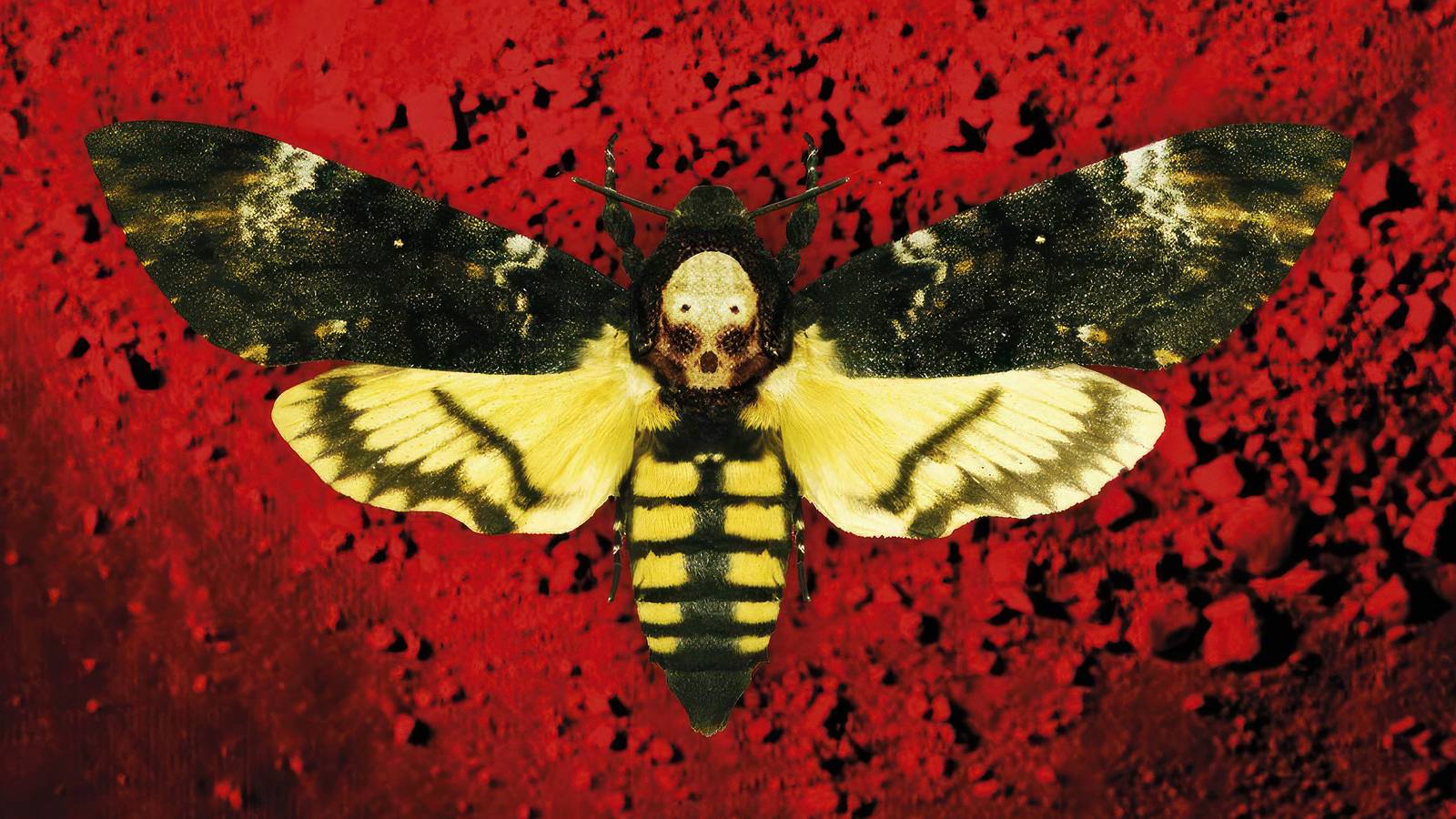
Thomas Harris's novel—which inspired the Oscar-winning film—remains a powerhouse of psychological horror. FBI trainee Clarice Starling must enlist the help of imprisoned psychiatrist and serial killer Hannibal Lecter to catch another murderer, Buffalo Bill. Every meeting between them is a psychological duel. While the book lacks the iconic performances of Jodie Foster and Anthony Hopkins, it compensates with vivid prose and an immersive atmosphere. It's a perceptive thriller that pioneered many genre tropes and offers sharp insights into manipulation, fear, and vulnerability.
7. 'Misery' (1987)
Stephen King's novel is one of the finest ever written about imprisonment. After a car accident, novelist Paul Sheldon is rescued by Annie Wilkes, his self-proclaimed 'number-one fan.' But Annie soon reveals herself as a captor who demands he rewrite his latest novel to her liking. The tension is relentless, driven by Annie's terrifying unpredictability—one moment caring, the next violently erupting over a perceived betrayal. She's a loathsome creation, and our desperate hope for Paul's escape makes every failed attempt devastating.
6. 'The School of Night' (2025)
Karl Ove Knausgård, known for his autobiographical My Struggle series, turns to psychological horror with this philosophically ambitious novel. It follows a young photography student who accidentally kills a homeless man and avoids accountability, only for the incident to haunt him decades later. The protagonist is a darkly brilliant character study—selfish, uncaring, and lacking empathy, yet considering himself decent. The final scenes grow grim and freaky, involving fated deaths and a creeping sense of doom. For more on unsettling narratives, check out our ranking of the worst psychological thrillers of the past 25 years.
5. 'House of Leaves' (2000)
Mark Z. Danielewski's experimental novel is a labyrinth of nested narratives. A blind man named Zampanò writes about a documentary called The Navidson Record, which chronicles a family whose house is larger on the inside than the outside—and contains a shifting, endless hallway. Meanwhile, a tattoo artist named Johnny Truant discovers Zampanò's manuscript and descends into obsession. The book's typographical play and multiple layers of unreliable narration create a disorienting experience that mirrors the characters' unraveling. It's a masterpiece of form and fear.
4. 'The Haunting of Hill House' (1959)
Shirley Jackson's other great contribution to psychological horror follows four people who stay in a notoriously haunted mansion. Dr. John Montague invites Eleanor Vance, Theodora, and Luke Sanderson to investigate the supernatural. But the true horror lies in Eleanor's fragile psyche as the house seems to prey on her insecurities and desires. Jackson masterfully blurs the line between external haunting and internal breakdown, leaving readers to wonder if the house is truly evil or if Eleanor's mind is the real source of terror. The novel's final line—'I am like a small creature swallowed whole by a monster'—is unforgettable.
3. 'The Turn of the Screw' (1898)
Henry James's novella is a cornerstone of ambiguous horror. A young governess arrives at Bly, a remote estate, to care for two children, Miles and Flora. She soon becomes convinced that the ghosts of former servants are corrupting them. But are the ghosts real, or are they projections of the governess's repressed desires and unstable mind? James leaves the question tantalizingly open, making this a masterclass in psychological ambiguity. The story's power lies in its refusal to provide easy answers, forcing readers to confront their own fears.
2. 'The Shining' (1977)
Stephen King's novel is far more than the film adaptation suggests. Jack Torrance, a recovering alcoholic and aspiring writer, takes a job as winter caretaker of the Overlook Hotel, bringing his wife Wendy and son Danny, who has psychic abilities. The hotel's evil influence amplifies Jack's inner demons, leading to a terrifying descent into madness. King's exploration of addiction, family trauma, and the darkness within is what makes this so chilling. The Overlook is a metaphor for Jack's own fractured mind, and the horror is as much psychological as supernatural.
1. 'The Silence of the Lambs' (1988) — Honorable Mention
While we've already ranked The Silence of the Lambs at number 8, it deserves special mention as a defining work of the genre. Its blend of police procedural, psychological duel, and character study set a new standard. For more on the best in horror, see our list of the scariest sci-fi movie villains. And if you're looking for something lighter, check out the top family movies of the last 50 years.
These books prove that the most frightening monsters are the ones we carry inside. Whether through unreliable narrators, haunted houses, or the slow erosion of sanity, psychological horror reminds us that the mind is a dark and infinite place. Which one will you dare to read next?