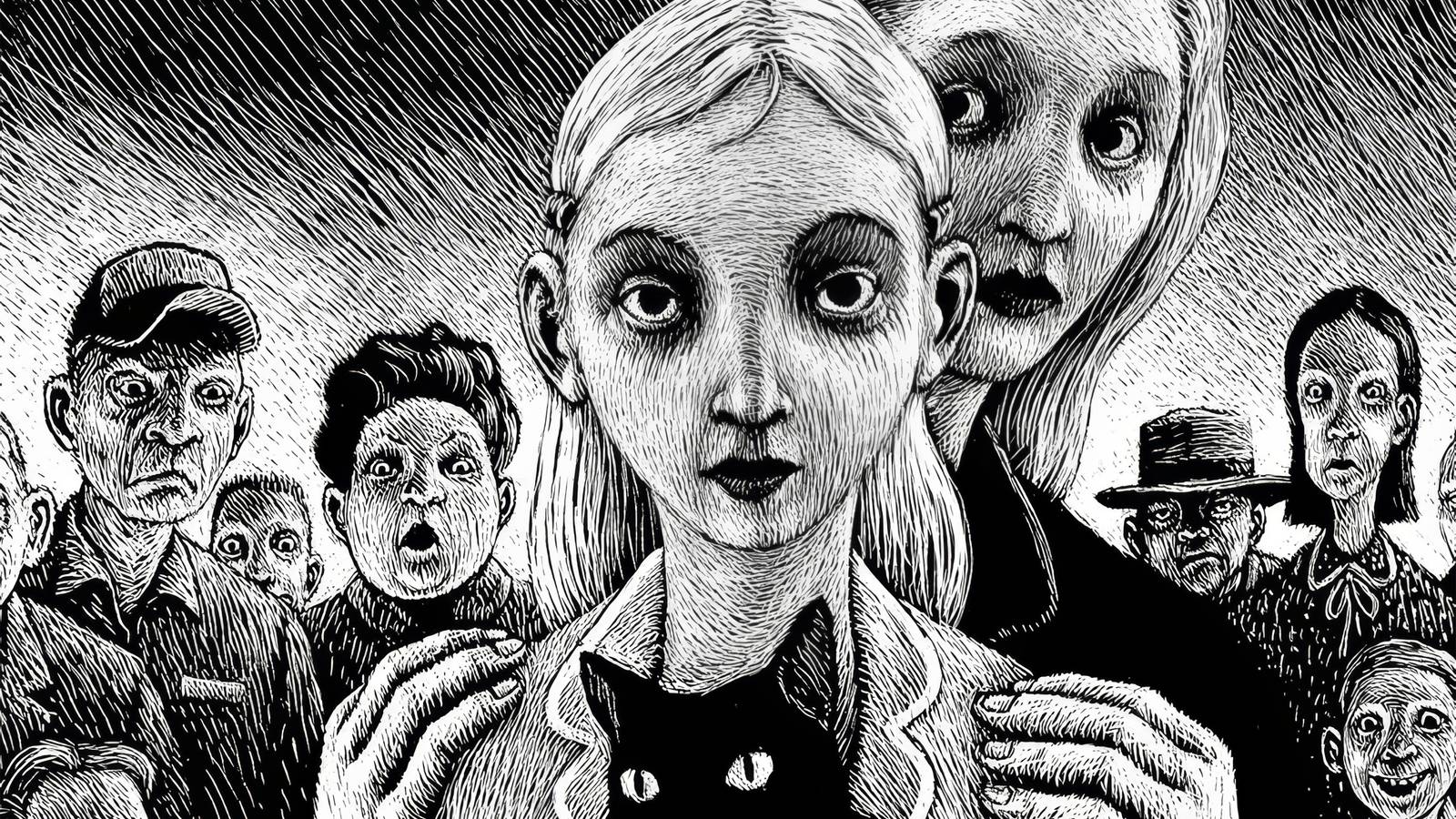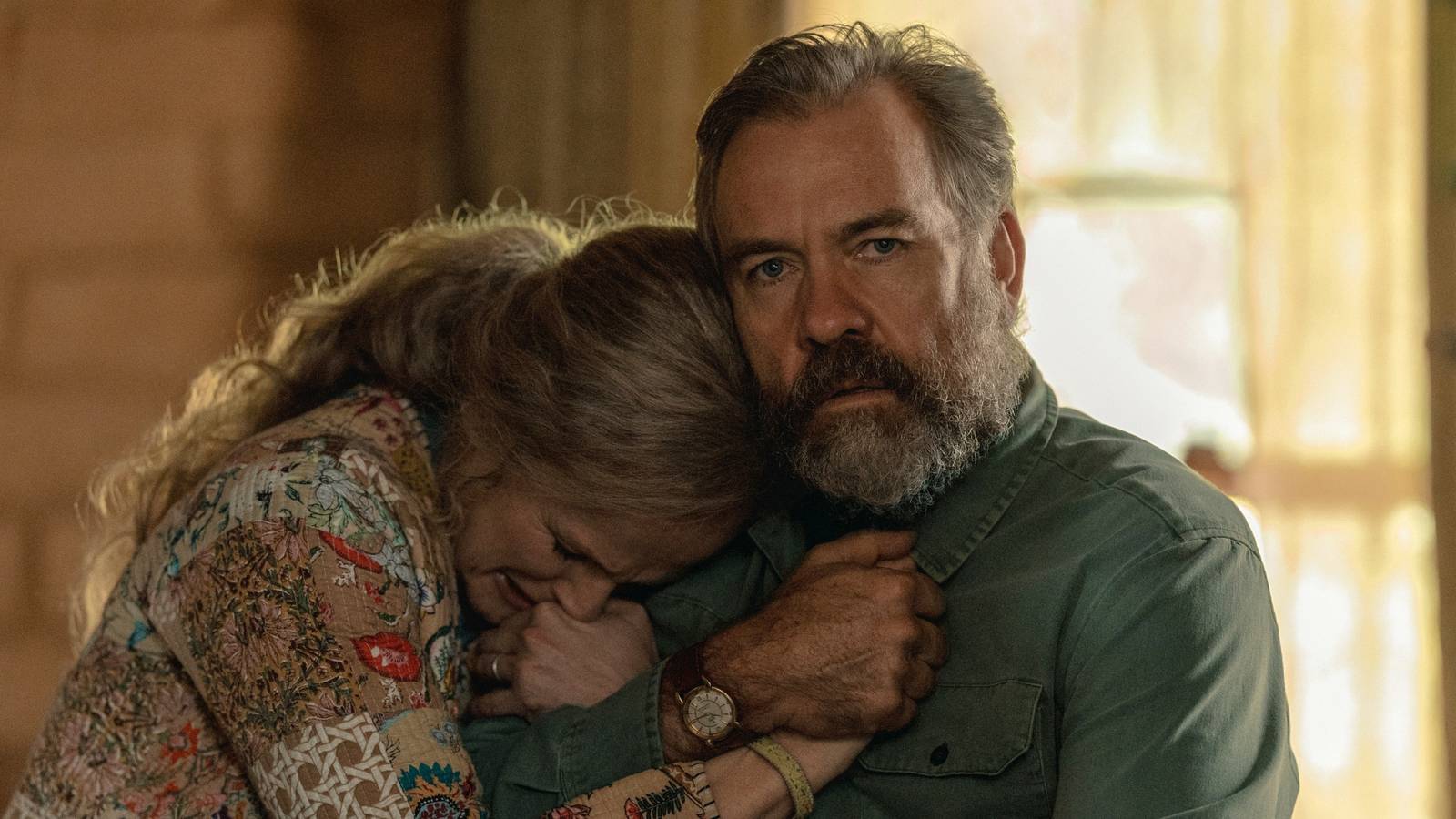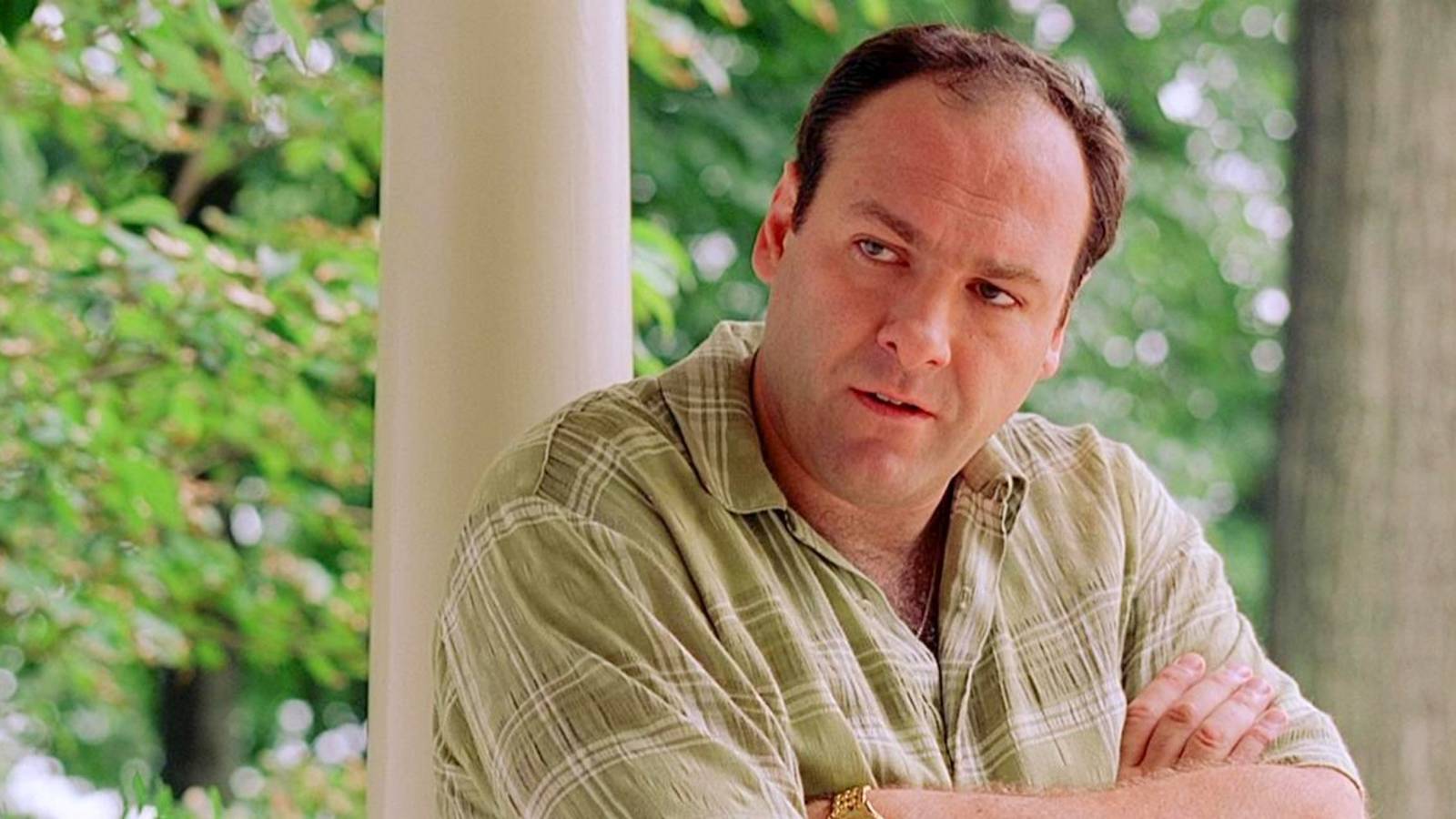
For decades, HBO has been the standard-bearer for ambitious, adult-oriented storytelling, creating a space where complex characters and morally gray worlds thrive. The network's reputation was cemented by the cultural phenomenon of 'The Sopranos,' a series that redefined what television could achieve and became the emblem of TV's golden age. Yet, in the vast library of HBO classics, a compelling argument exists that a select few productions have reached even greater heights.
The Contenders That Surpassed a Legend
While David Chase's mafia masterpiece captivated audiences for six seasons, three subsequent HBO series have garnered praise that positions them as potential superiors. These shows—a gritty Western, a mind-bending exploration of grief, and a savage family drama—each carved their own unique path to greatness, offering different but equally profound viewing experiences. Their achievements invite us to reconsider the pinnacle of HBO's illustrious output.

'Deadwood': The Unvarnished American Epic
David Milch's 'Deadwood' transports viewers to the lawless Dakota Territory of the 1870s, weaving historical figures and fictional narratives into a rich tapestry of civilization's painful birth. At its heart is the power struggle between saloon owner Al Swearengen and lawman Seth Bullock, a conflict that explores greed, community, and the messy transition from anarchy to order. The series distinguished itself with Shakespearean dialogue, unparalleled atmosphere, and a refusal to sanitize history.
Where 'The Sopranos' often treated violence as casual sport, 'Deadwood' framed every act as a brutal necessity for survival, fostering unexpected empathy for its deeply flawed inhabitants. The ensemble cast, led by Ian McShane's iconic Swearengen, delivered performances that felt authentically lived-in. Though its high costs led to a premature conclusion after three seasons, its eight Emmy wins from 36 episodes testify to its concentrated brilliance. Like many sleeper hits that get better with every rewatch, 'Deadwood' reveals new layers upon each return to its muddy streets.
'Succession': A Modern Shakespearean Tragedy
Jesse Armstrong's 'Succession' masterfully blended the dynamics of King Lear with a sharp satire of modern media empires. The series chronicled the vicious battle among the Roy siblings for control of Waystar RoyCo, their family's colossal conglomerate, as their formidable father Logan's grip weakened. With its exquisitely profane writing and a cast operating at peak performance, the show became a defining drama about power, family, and the corruption of immense wealth.
The characters' evolution was a masterclass in anti-growth, as each member of the Roy circle spiraled deeper into moral compromise. The series stunned audiences by placing a pivotal, game-changing death at the beginning of its final season, a narrative boldness that underscored its relentless pace. 'Succession' maintained a laser focus on its core themes, delivering a finale as definitive and discussed as any in television history. Its execution shares the meticulous craft of spy thrillers that reward careful rewatches, where every glance and line carries weight.
'The Leftovers': A Profound Meditation on Loss
Damon Lindelof and Tom Perrotta's 'The Leftovers' asked a haunting question: how does the world move on after two percent of the global population vanishes without explanation? Rather than focusing on the mystery of the Sudden Departure, the series dove deep into the psychological and spiritual aftermath for those left behind. Over three critically adored seasons, it explored grief, faith, and the human need for meaning with unparalleled emotional bravery.
The show transformed from a bleak portrait of despair into a strangely hopeful examination of connection, anchored by career-defining performances from Carrie Coon and Justin Theroux. Its willingness to embrace ambiguity and surrealism allowed it to tackle its weighty themes with a unique creative freedom. 'The Leftovers' stands as a testament to television's ability to confront existential dread with beauty and grace, achieving a narrative and emotional coherence that places it among the medium's absolute best.
The Legacy of Excellence
These three series—'Deadwood,' 'Succession,' and 'The Leftovers'—each built upon the foundation 'The Sopranos' laid. They took HBO's mandate for creative freedom and ran in wildly different directions: into the historical past, the cutthroat present, and a surreal alternate reality. Their collective greatness doesn't diminish Tony Soprano's legacy but rather highlights the incredible fertile ground HBO cultivated, where multiple shows can be argued as the network's finest achievement. This ongoing debate is a luxury afforded by a network that consistently champions visionary storytelling, much like the enduring discussions around sci-fi masterpieces that rival epic scales. In the end, the true winner is the audience, with a catalog of television history that continues to inspire, challenge, and captivate.