Science fiction television has always been a frontier of imagination, but a select few series have done more than just tell stories—they've rewritten the very DNA of the genre. These are the shows that dared to experiment, challenged audience expectations, and left an indelible mark on how sci-fi is crafted for the small screen.
Black Mirror (2011–Present)
What began on Britain's Channel 4 found its dystopian soulmate in Netflix, becoming a defining anthology for the digital age. A worthy heir to the legacy of The Twilight Zone, Black Mirror holds up a dark, reflective screen to our modern anxieties. Each standalone episode serves as a chilling parable, exploring the psychological and societal fallout of our ever-closer relationship with technology. Its strength lies in its unnerving relevance, making it one of the most profound and talked-about genre offerings in streaming.

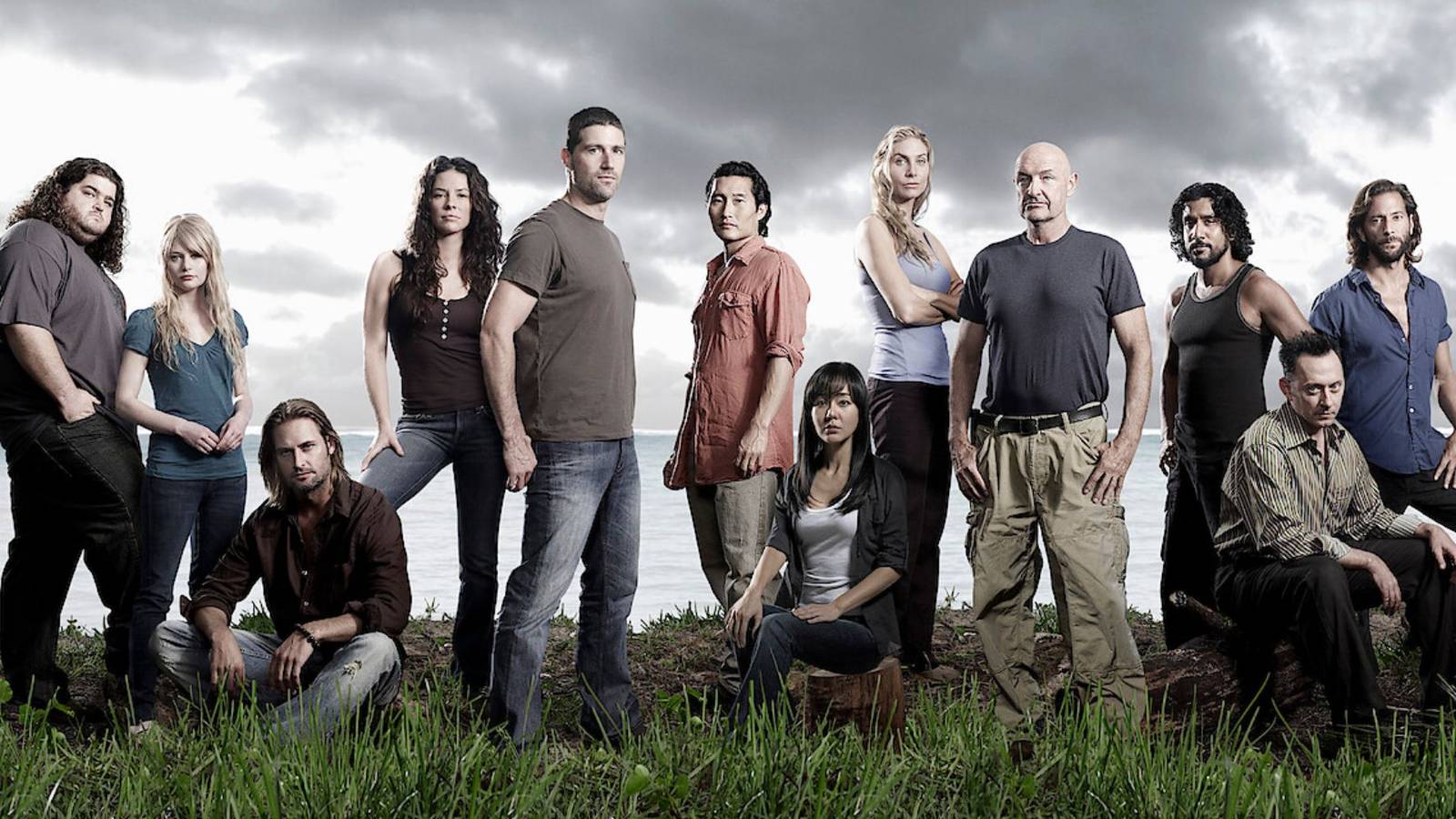
Lost (2004–2010)
More than a pop culture phenomenon, Lost was a seismic shift in television storytelling. It masterfully blended high-concept sci-fi mysteries with deeply human drama, proving that a sprawling, serialized narrative could captivate a global audience. The show perfected the "mystery box" format, layering puzzles and character backstories to create an addictive, water-cooler sensation. It demonstrated that sci-fi could be both intellectually ambitious and emotionally resonant on a blockbuster scale.
Battlestar Galactica (2004–2009)
This wasn't just a remake; it was a reinvention. The 2004 Battlestar Galactica stripped away the shiny optimism of traditional space opera, replacing it with a gritty, politically charged, and morally complex saga. Influenced by a post-9/11 world, the series pushed sci-fi into darker, more serialized territory, focusing on themes of survival, faith, and what it means to be human. Its intense, character-driven approach redefined what a sci-fi drama could achieve, much like how groundbreaking crime dramas reshaped their own genre.
The X-Files (1993–2018)
The chemistry between Fox Mulder and Dana Scully became the bedrock for one of television's most influential series. The X-Files brilliantly married paranormal "monster-of-the-week" tales with a sprawling conspiracy mythology. It was revolutionary in how it cultivated a massive, engaged fan community in the early days of the internet, setting a template for modern fandom. Its legacy is visible in countless subsequent series that blend investigative procedure with supernatural intrigue.
Doctor Who (1963–Present)
As the longest-running sci-fi series in history, Doctor Who' impact is immeasurable. Its genius lies in its built-in renewal system: the Doctor's ability to "regenerate" into a new form. This simple, brilliant concept has allowed the show to evolve across decades, constantly refreshing its cast, tone, and storytelling while maintaining its core ethos of hope, curiosity, and adventure. It remains a timeless celebration of the genre's boundless possibilities.
Star Trek: The Original Series (1966–1969)
Though it lasted only three seasons, the original Star Trek launched a universe. It used the framework of space exploration to tackle complex social and ethical issues, proving that sci-fi could be a vehicle for serious commentary. Its optimistic vision of a future where humanity works together inspired generations of creators and fans, establishing a blueprint for franchise world-building that few have matched. Its spirit of bold ideas lives on in modern series that continue to push boundaries.
These series prove that the most enduring sci-fi doesn't just imagine new worlds—it forges new ways to tell stories. They moved beyond standard tropes to explore deeper human questions, whether through Black Mirror's tech paranoia or Battlestar Galactica's wartime ethics. Their willingness to break format, embrace serialization, and tackle mature themes paved the way for the rich, complex genre landscape we enjoy today, influencing everything from prestige dramas to innovative anime revolutionaries.
The ripple effects of these rule-breakers are everywhere. They created the appetite for long-form narrative mysteries, elevated genre television to a place of critical acclaim, and showed that audiences would embrace challenging, unconventional ideas. Just as a show like 'Revival' can reinvent the zombie genre, these foundational series remind us that the best sci-fi is always looking forward, daring to ask "what if?" and then having the courage to answer in ways no one expected.