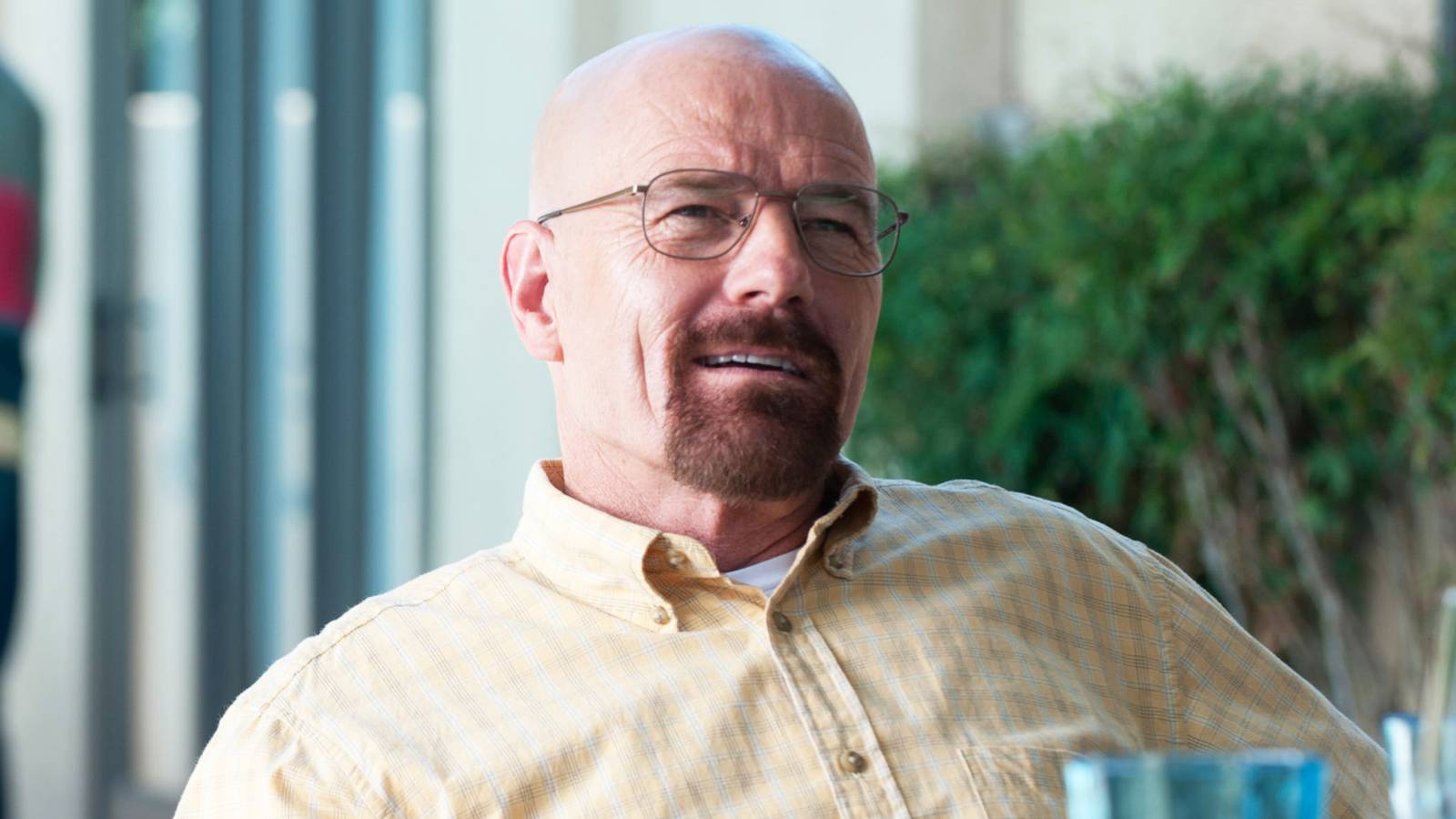
Thirteen years after it first aired, the legacy of Breaking Bad's "Ozymandias" remains untouchable. Universally hailed as one of television's greatest episodes, this Season 5 installment represents the tragic, explosive peak of Walter White's transformation from a desperate family man to the monstrous drug kingpin Heisenberg. Directed by Rian Johnson and holding a perfect 10.0 rating on IMDb, the episode's power is amplified by a completely spontaneous moment that gave Bryan Cranston's Walter his final, fleeting chance at redemption.
The Unplanned Gut-Punch That Changed Everything
In the chaotic aftermath of Hank's murder and Jesse's capture, a desperate Walt flees his home, kidnapping his infant daughter, Holly. Hiding in a public restroom, he attempts to care for her, still clinging to the delusion that his criminal empire was built for his family's future. Then, something happened that wasn't in the script. The child actor playing Holly spontaneously said "Mama"—her real mother was just feet away—while Walt held her up.

Writer Moira Walley-Beckett revealed this detail in a 2013 interview, calling it "the moment that I wrote on meth." The serendipitous line delivery landed at the perfect dramatic beat. Bryan Cranston, hailed by Walley-Beckett as the "consummate actor," didn't break character. His immediate, raw reaction—a devastating mix of realization, guilt, and sorrow—was captured on film and became the emotional core of the scene.
Why This Moment Was a Turning Point for Walter White
Holly's innocent cry for her mother served as the simplest, purest mirror to Walt's corruption. It was the gut-punch that finally cut through his self-justifications. In that instant, he saw the true cost of his actions: he had become the man who steals a baby from her mother. This unscripted whimper from the show's most innocent character forced Walt to confront the monstrous reality he had created.
This epiphany directly leads to the episode's pivotal sequence. Walt leaves Holly safely at a fire station, then places a carefully calculated phone call to Skyler. With the police listening, he unleashes a vicious tirade, claiming sole responsibility for his meth empire and forcefully absolving his terrified wife of any blame. It's a final, manipulative yet necessary act to protect his family from the legal fallout he alone deserved.
The moment doesn't forgive Walt's sins—he is still responsible for countless deaths and the destruction of his family. But like other iconic TV revivals, it hinges on a crucial character beat. For Gilligan and his writers, committed to charting a man's complete moral decay, it was essential to show Heisenberg's last flicker of humanity. Holly's "Mama" extinguished Walt's final excuse.
The Legacy of 'Ozymandias' and Walter's Final Arc
"Ozymandias" stands as the series' dramatic zenith, leaving the final two episodes, "Granite State" and "Felina," to deal with the aftermath. That unplanned moment fundamentally shaped Walter White's endgame. His later confession to Skyler—that he built his empire for his own ego, not his family—finds its seed in that restroom stall.
Cranston's performance, redefining what was possible in television acting, was elevated by his ability to harness such unexpected events. The most powerful scenes often arise from happy accidents, a truth seen in projects like Dwayne Johnson's 'The Smashing Machine', where personal history fuels authenticity. Over a decade later, the magic of that unscripted "Mama" ensures "Ozymandias," and Walter White's heartbreaking downfall, will never be forgotten.