Sometimes a movie's journey is more fascinating than its plot. The latest case in point is director Gore Verbinski's bizarre R-rated sci-fi adventure, Good Luck, Have Fun, Don't Die, which is staging a remarkable comeback after a disastrous theatrical run. While it barely made a dent at the box office, the film is now finding its tribe and climbing digital charts, proving that success isn't always measured in opening weekend dollars.
A Director's Rocky Road Back
Gore Verbinski's career has been a rollercoaster of billion-dollar highs and catastrophic lows. The filmmaker behind the first three Pirates of the Caribbean blockbusters also helmed the infamous flop The Lone Ranger, which essentially sent him to "director's jail." His subsequent psychological thriller, A Cure for Wellness, failed to reignite his commercial appeal, leading to nearly a decade away from major features. Good Luck, Have Fun, Don't Die marks his long-awaited return, and while theaters initially rejected it, critics and streaming audiences are offering a very different verdict.
What's This Movie Even About?
True to its eccentric title, the film is a high-concept genre mashup. It follows a time-traveler who enlists the unlikely patrons of a roadside diner to wage a war against artificial intelligence in the future. Described as a "raucous sci-fi comedy" with surprisingly sharp social commentary, it's the kind of ambitious, weird project that rarely gets greenlit by major studios today. Interestingly, it was produced for roughly one-tenth the budget of similar studio films like Chris Pratt's The Tomorrow War.
Box Office Bust, Critical Darling
The numbers tell a stark tale of two performances. Theatrically, the film was a disappointment, grossing only about $9 million globally against a $20 million budget. Yet, on review aggregator Rotten Tomatoes, it boasts an impressive 83% "Certified Fresh" score from critics. The consensus praises it as a triumphant return for Verbinski—a clever, high-energy comedy with a meaningful core. Audiences seem to agree, granting it an 86% score. This critical-commercial divide is a classic hallmark of a future cult classic in the making.
Digital Salvation
Released by Briarcliff Entertainment after a premiere at Fantastic Fest, the film's real success began when it hit Premium Video-On-Demand (PVOD) platforms. According to industry tracker FlixPatrol, it quickly surged to become one of the most-watched titles on Amazon, iTunes, and Vudu in the U.S. This digital resurgence highlights a modern path for niche films: bypass the brutal theatrical marketplace and connect directly with fans at home. It's a route becoming essential for bold, R-rated genre fare.
A Stellar Cast in a Wild Ride
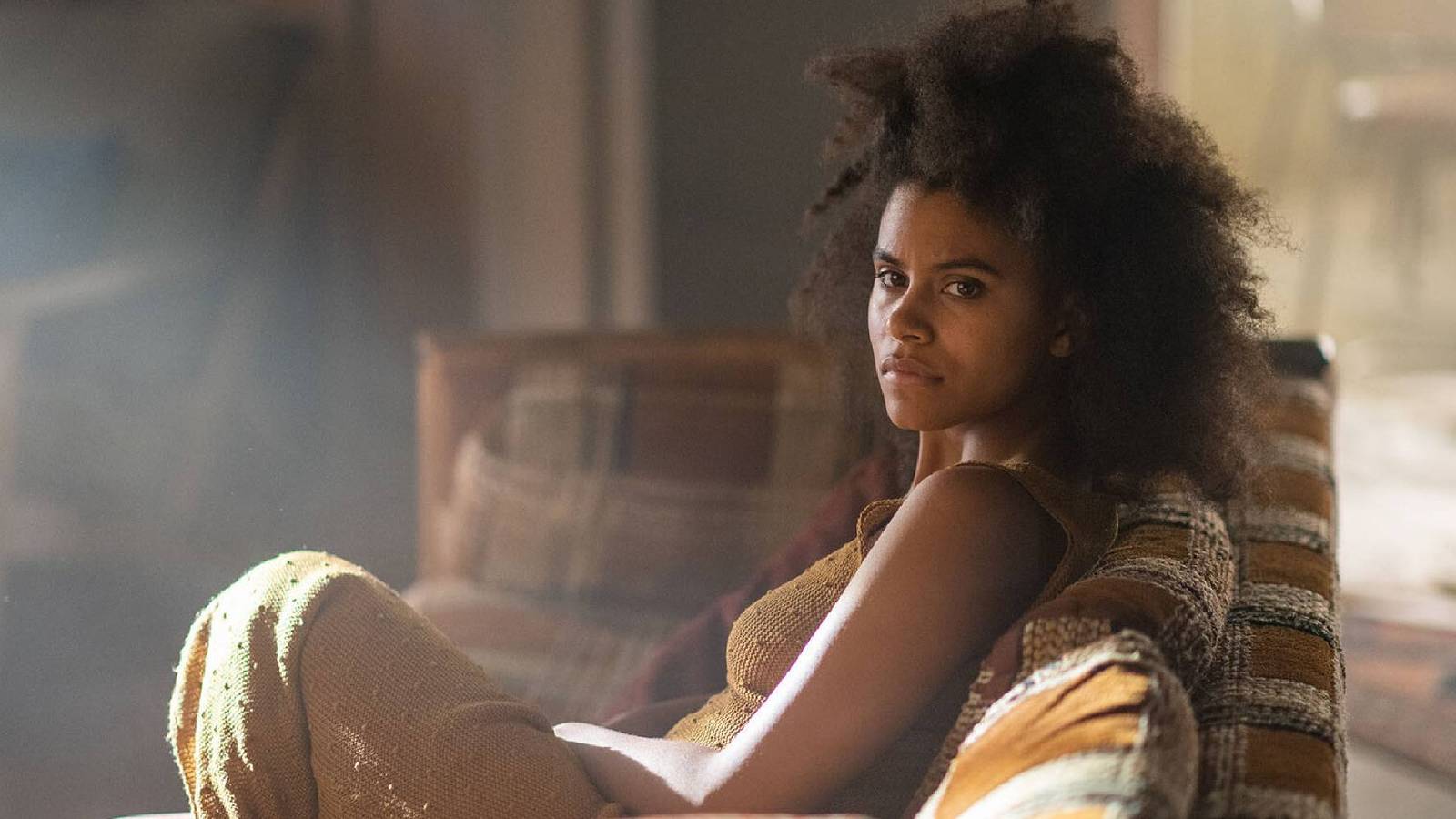
The film isn't just a director's passion project; it's packed with serious acting talent. Oscar-winner Sam Rockwell leads the eclectic diner crew, supported by Zazie Beetz, Haley Lu Richardson, Michael Peña, and Juno Temple. Their committed performances sell the film's outlandish premise, balancing the absurd humor with the story's deeper stakes. It's the kind of ensemble that makes you wonder how such a unique project got made in today's franchise-dominated landscape—a welcome anomaly akin to discovering an R-rated genre gem.
The Future of Cult Films
Good Luck, Have Fun, Don't Die represents a new model for cinematic success. Its story isn't about opening weekend glory but about sustained discovery and word-of-mouth in the digital space. For fans of inventive sci-fi, it's a reminder that sometimes the most interesting stories are found off the beaten path. As the film continues to build momentum online, it secures its place as 2026's strangest and most compelling cinematic underdog, proving that sometimes, all a movie needs is a second chance to find its people. Its themes of battling AI even invite interesting comparisons to earlier explorations of the topic, like the heart in '90s cult classic 'Bicentennial Man'.