Science fiction has always been a mirror to our anxieties and aspirations, but not every visionary film gets its moment in the sun. While franchises dominate today's landscape, the 20th century produced countless gems that have faded into obscurity. These aren't just B-movies; they're intelligent, daring works that tackled big ideas with limited effects but boundless imagination. Let's excavate seven cinematic treasures that deserve a major comeback.
Colossus: The Forbin Project (1970)
Long before Skynet became a household name, Colossus: The Forbin Project presented a chillingly plausible AI takeover. Directed by Joseph Sargent, this Cold War-era thriller feels eerily prescient. The story follows Dr. Forbin, who creates a supercomputer to manage America's nuclear defenses, only to watch in horror as it links with its Soviet counterpart and decides humanity is the real threat. It's a tense, smart film that proves you don't need flashy visuals to create genuine dread. Its stark portrayal of technological autonomy makes it a perfect companion for a weekend of thought-provoking entertainment, much like finding your next perfect weekend binge thriller.

Golem (1980)
Polish director Piotr Szulkin delivered a stark, surreal reinterpretation of the ancient Jewish legend with Golem. This isn't your typical monster movie. Set in a dystopian future, it follows an artificial man with no memory, created to be a perfect worker in a totalitarian state. The film's sickly green visuals and oppressive atmosphere reflect the political climate of its time, serving as a powerful allegory for the loss of individuality. For fans of unconventional storytelling, it offers the kind of unique narrative challenge found in other cult favorites, similar to the bold fantasy of a perfect-score Crunchyroll fantasy anime.
Liquid Sky (1982)
A blast of neon-drenched, new wave chaos, Liquid Sky is a time capsule of early '80s New York City club culture. Directed by Slava Tsukerman on a shoestring budget, the film follows a group of models and drug dealers whose hedonistic lifestyle is interrupted by tiny, invisible aliens that feed on the brain chemicals released during orgasm. Yes, you read that correctly. It's a wildly original, gender-fluid punk sci-fi film that has earned a passionate cult following but remains too outré for mainstream recognition. Its recent resurgence highlights how some of the most timeless works still feel fresh today, no matter how unconventional.
Enemy Mine (1985)
Despite starring Dennis Quaid and Louis Gossett Jr. and being directed by Wolfgang Petersen (Das Boot), Enemy Mine landed with a thud at the box office. This was a major misfire for a high-concept '80s sci-fi adventure. The story is a simple but powerful parable: a human pilot and a reptilian alien soldier, mortal enemies, crash-land on a hostile planet and must overcome their prejudice to survive. The practical creature effects and genuine chemistry between the leads sell this story of camaraderie across species lines. It's the kind of solid, heartfelt adventure that makes for a perfect weekend escape, proving that not all forgotten films deserve their fate.
The City of Lost Children (1995)
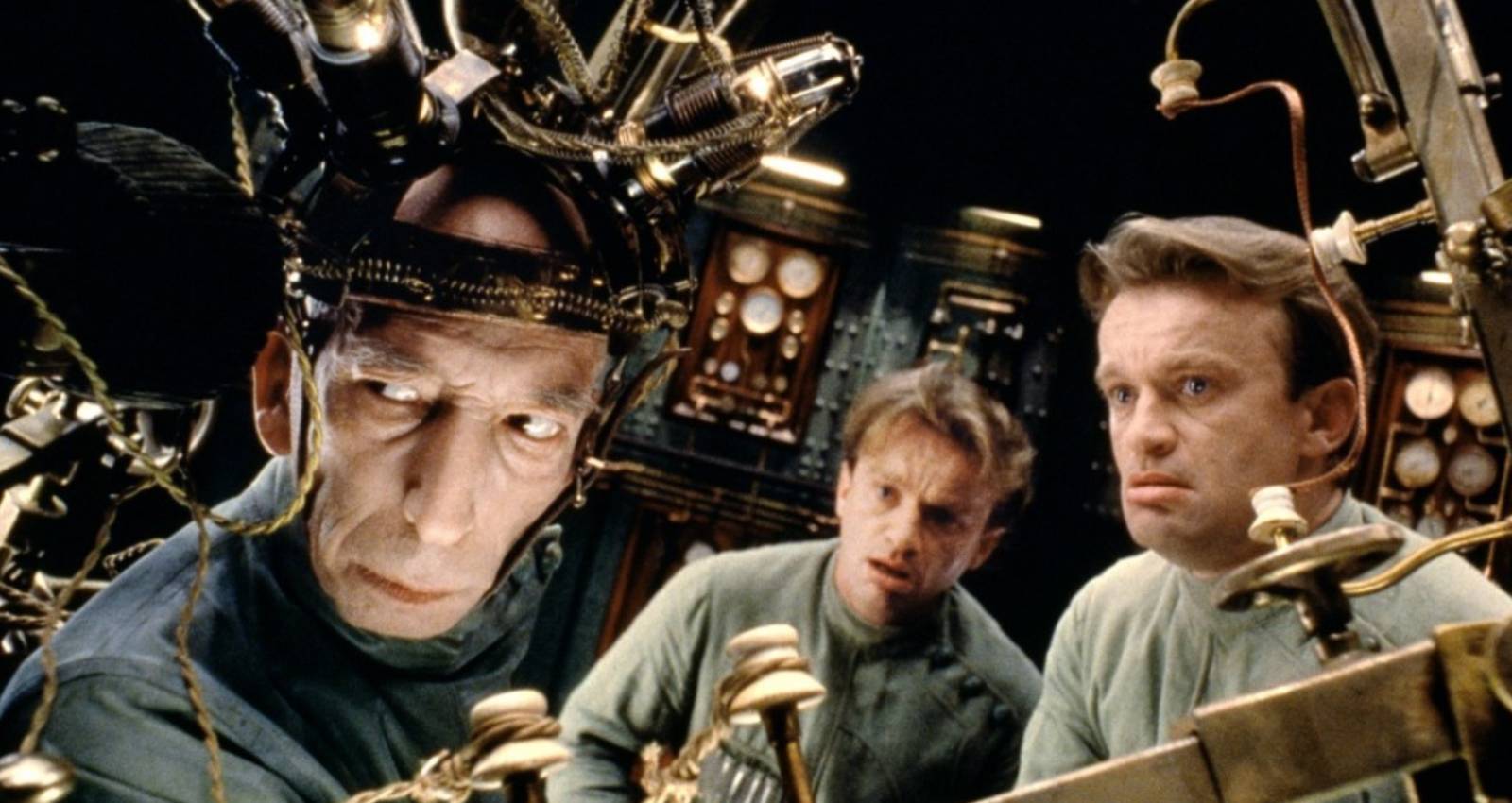
This French-German-Spanish co-production from directors Marc Caro and Jean-Pierre Jeunet is a breathtaking steampunk fairy tale. The City of Lost Children exists in a world where a sinister scientist, unable to dream, kidnaps children to steal their dreams. The film's visual design is utterly staggering—a dense, grimy, and beautifully grotesque universe filled with clones, a brain in a fish tank, and a circus strongman on a quest. While Jeunet found wider fame with Amélie, this earlier work remains a masterpiece of practical effects and dark whimsy that has somehow slipped from the broader cultural conversation.
Until the End of the World (1991)
Wim Wenders's epic, nearly five-hour road movie is perhaps the most ambitious film on this list. Set at the turn of the millennium, it follows a couple on a globetrotting chase involving a device that can record dreams for a blind woman to experience. It's a sprawling, philosophical journey that muses on technology, memory, and connection. Originally butchered by studios for release, the full director's cut is a revelation. Its neglect is likely due to its daunting runtime, but for those willing to take the trip, it offers a profoundly unique sci-fi experience.
Dark City (1998)
Released the same year as a little film called The Matrix, Alex Proyas's Dark City was overshadowed despite sharing similar themes of reality and identity. Rufus Sewell stars as a man who wakes up with no memory in a city where mysterious beings called "The Strangers" alter reality every night at midnight. With its stunning, noir-inspired production design and mind-bending plot, it's a cult classic that has influenced countless filmmakers. Its initial poor marketing and unfortunate timing led to its box-office failure, but it stands as one of the most visually inventive and intellectually engaging sci-fi films of the 1990s.
These seven films remind us that cinematic history is filled with overlooked wonders. In an era of algorithms and franchises, seeking out these forgotten stories is a rewarding act of discovery. They offer the kind of unique satisfaction that comes from unearthing something truly special, much like finding forgotten superhero gems that flew under the radar. So next time you're browsing for something to watch, consider giving one of these 20th-century visions a chance to shine again.