Horror is a genre that constantly reinvents itself, but some films are so masterfully crafted that they remain terrifying decades later. These 10 classics, from silent-era expressionism to 1960s psychological dread, still deliver chills that modern filmmakers can only dream of. They prove that great horror isn't about gimmicks—it's about skill, empathy, and dissecting the human experience with surgical precision.
The Curse of Frankenstein (1957)
Hammer Films' breakout hit established the studio's signature style: saturated colors, elaborate sets, and a serious tone that treats its macabre subject with deadly earnestness. Peter Cushing's Baron Victor Frankenstein is a cold, aristocratic narcissist who discards people like lab rats, while Christopher Lee's Creature conveys tragedy through heartbreaking eyes. Director Terence Fisher plays it straight, making the ethical questions of Mary Shelley's novel feel fresh and urgent.
Cat People (1942)
Jacques Tourneur's psychosexual thriller uses shadows and suggestion to create unbearable tension. Irena, a Serbian fashion designer, fears that consummating her marriage will turn her into a panther. The film seethes with metaphors about female sexuality, social othering, and the men who seek to control women. Its dusky black-and-white cinematography and avant-garde editing produce what may be cinema's first jump scare.
The Cabinet of Dr. Caligari (1920)
This German Expressionist masterpiece is a living nightmare of jagged lines and claustrophobic sets. A hypnotist uses a sleepwalking assassin to terrorize a town, but the film's true horror lies in its allegory of blind obedience to a tyrant. Released after World War I, it remains a powerful warning about authoritarianism.
Night of the Living Dead (1968)
George Romero's indie zombie classic defined the sub-genre. As the undead swarm a farmhouse, the real monsters are the selfish, cowardly humans inside. Duane Jones's Ben is a Black hero with moral depth, and the film's shocking ending is a scathing critique of racism and violence. The slow-creeping zombies still induce nerve-shredding dread.
The Haunting (1963)
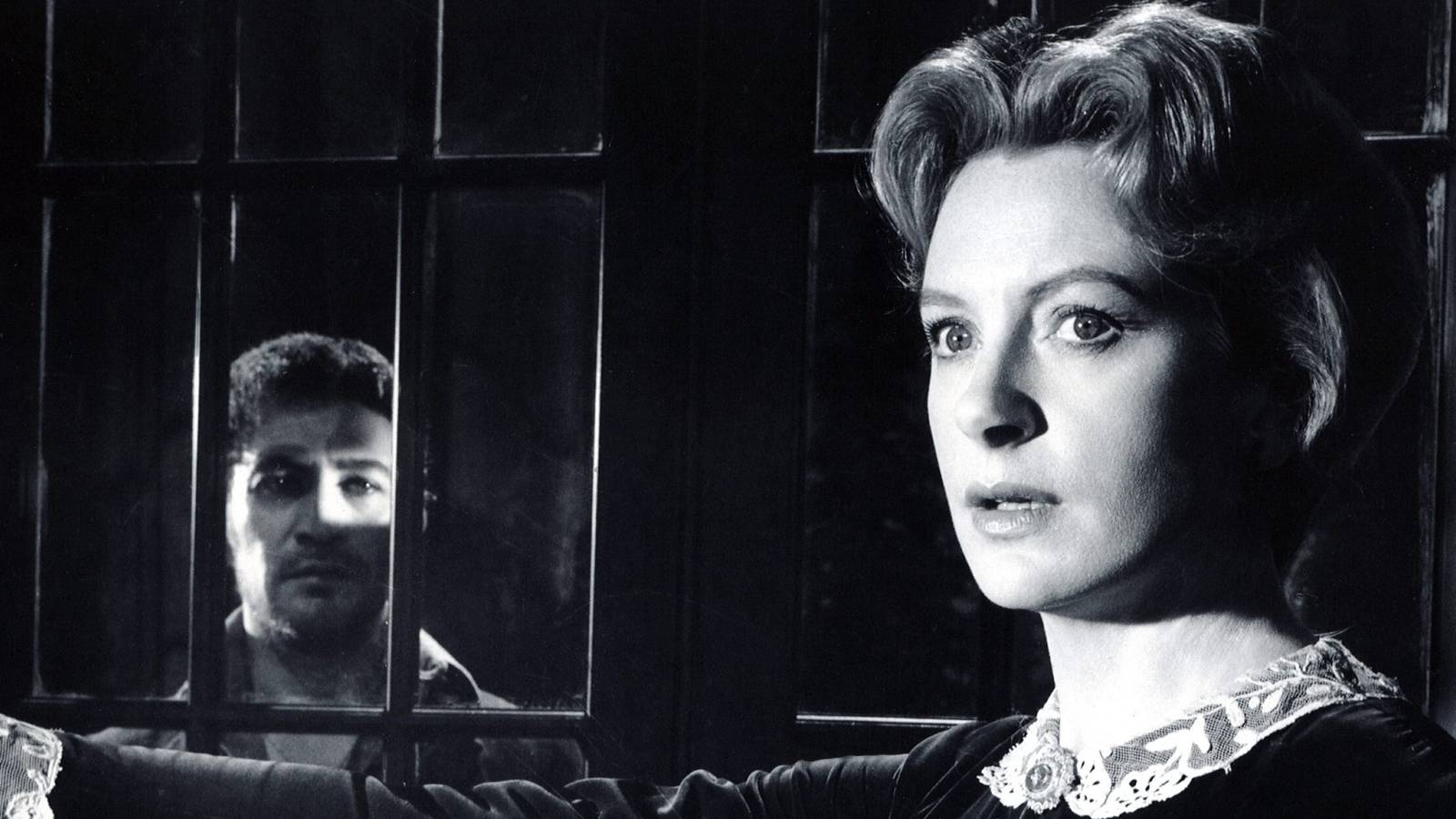
Shirley Jackson's novel gets a masterful adaptation that relies on psychological terror rather than special effects. The film's sound design and camerawork make Hill House feel alive, and its exploration of loneliness and repression is as haunting as any ghost. It's a reminder that the most frightening things are often the ones we can't see.
These films, along with others like The Innocents and Halloween, prove that classic horror doesn't age—it ripens. For more timeless cinema, check out The 10 Most Perfectly Directed Classic Movies, Ranked or explore Forgotten Gems: 5 Near-Perfect Thrillers That Deserve a Second Look. And if you're in the mood for something modern, 3 Must-See Netflix Movies to Stream This Week might be just what you need.