When we talk about perfectly directed classic movies, we mean films where every element—camera movement, pacing, performances, lighting, and sound—works together so seamlessly that nothing feels out of place. The director's vision is clear but never distracting. Timeless films like Casablanca, Vertigo, and The Godfather are all among the best and most perfectly directed classic Hollywood movies of all time.
What unites these classics isn't just technical brilliance or captivating performances; it's the director's intention. Every shot has a purpose, every silence speaks, and every choice reinforces the film's core idea, delivering an unforgettable movie experience that embodies the escapism of cinema. From John Ford's Western masterpiece The Searchers to Orson Welles' iconic Citizen Kane, here are ten of the most perfectly directed classic movies, ranked!
10. 'The Searchers' (1956)
John Ford's The Searchers is regarded as one of the greatest classic Western movies ever made. John Wayne delivers a signature performance as Civil War veteran Ethan Edwards, who sets out to find his surviving nieces held captive by Native Americans after his family is murdered. Ford, known for filming on location rather than on a sound stage, combines visual storytelling, thematic depth, and precise control of tone into a film that feels both epic and intimate.
The film's pacing and structure show tight directorial control. Scenes often begin late and end early, a testament to Ford's efficiency and confidence. The final scene of Edwards lingering in the door frame is not only an iconic tip of the hat to Wayne's mentor Harry Carey but also a purely visual resolution that captures the film's central idea about alienation and the cost of obsession—without any dialogue.
9. 'Vertigo' (1958)
Alfred Hitchcock's Vertigo stars James Stewart as retired San Francisco detective John "Scottie" Ferguson, who is hired to follow a friend's troubled wife, Madeline (Kim Novak), sparking an unexpected affair that leads him down a twisted path of obsession and madness. Many consider Vertigo to be Hitchcock's magnum opus, and it demonstrates the director's impeccable control of visual storytelling.
One of the film's most notable qualities is the famous dolly zoom effect, which doesn't just look striking—it puts the audience inside Ferguson's mind, making a psychological condition feel physical. Like every Hitchcock classic, everything has a purpose, even something as simple as color. Hitchcock's use of greens, reds, and muted tones tracks the characters' emotional states and identity shifts, giving the audience a chance to experience the transformation before fully understanding it.
8. 'Gone With the Wind' (1939)
Gone With the Wind is an epic historical romance based on Margaret Mitchell's novel, following headstrong Southern Belle Scarlett O'Hara (Vivien Leigh) as her life is turned upside down by the American Civil War. Although multiple directors contributed, Victor Fleming is most closely associated with shaping its final form into a cohesive vision. The film moves effortlessly between sweeping Civil War set pieces and deeply personal moments, creating a unique balance of depth and spectacle.
Scenes like the burning of Atlanta are staged with massive visual impact, yet the story never loses focus on its heroine's perspective. Out of thirteen Academy Award nominations, Gone With the Wind won eight, including Best Actress, Best Picture, and Best Director.
7. 'Lawrence of Arabia' (1962)
David Lean's epic biographical drama Lawrence of Arabia stars Peter O'Toole as a British lieutenant sent to Arabia to serve as a military advisor during the Arab Revolt. The film is frequently cited as one of the most perfectly directed classic movies because Lean achieves a rare blend of monumental scale and deep psychological focus, using the vastness of the desert to mirror O'Toole's character.
Lean gave O'Toole complete freedom to define his character, trusting him to bring the energy and complexity he desired. The infamous scene where Lawrence uses his knife to see himself in his new white attire was entirely improvised by O'Toole and earned immense praise from Lean. Today, it's one of the most iconic moments in classic cinema. Lawrence of Arabia won seven Academy Awards, including Best Picture, Best Director, and Best Cinematography.
For more on epic storytelling, check out our list of faith-based movies that capture biblical epic grandeur.
6. 'The Godfather' (1972)
Francis Ford Coppola's The Godfather is a masterclass in direction, where every shot, every line of dialogue, and every performance serves the story of the Corleone crime family. The film's pacing is deliberate, building tension through quiet moments and explosive violence. Coppola's use of shadow and light, along with the iconic score by Nino Rota, creates an atmosphere of power and tragedy.
The famous opening scene, with Bonasera telling his story to Don Corleone, establishes the film's themes of loyalty, justice, and family. The baptism montage, intercutting the murder of the family's enemies with the baptism of Michael's godson, is a stunning example of parallel editing that reinforces the film's central conflict between faith and violence.
5. 'Casablanca' (1942)
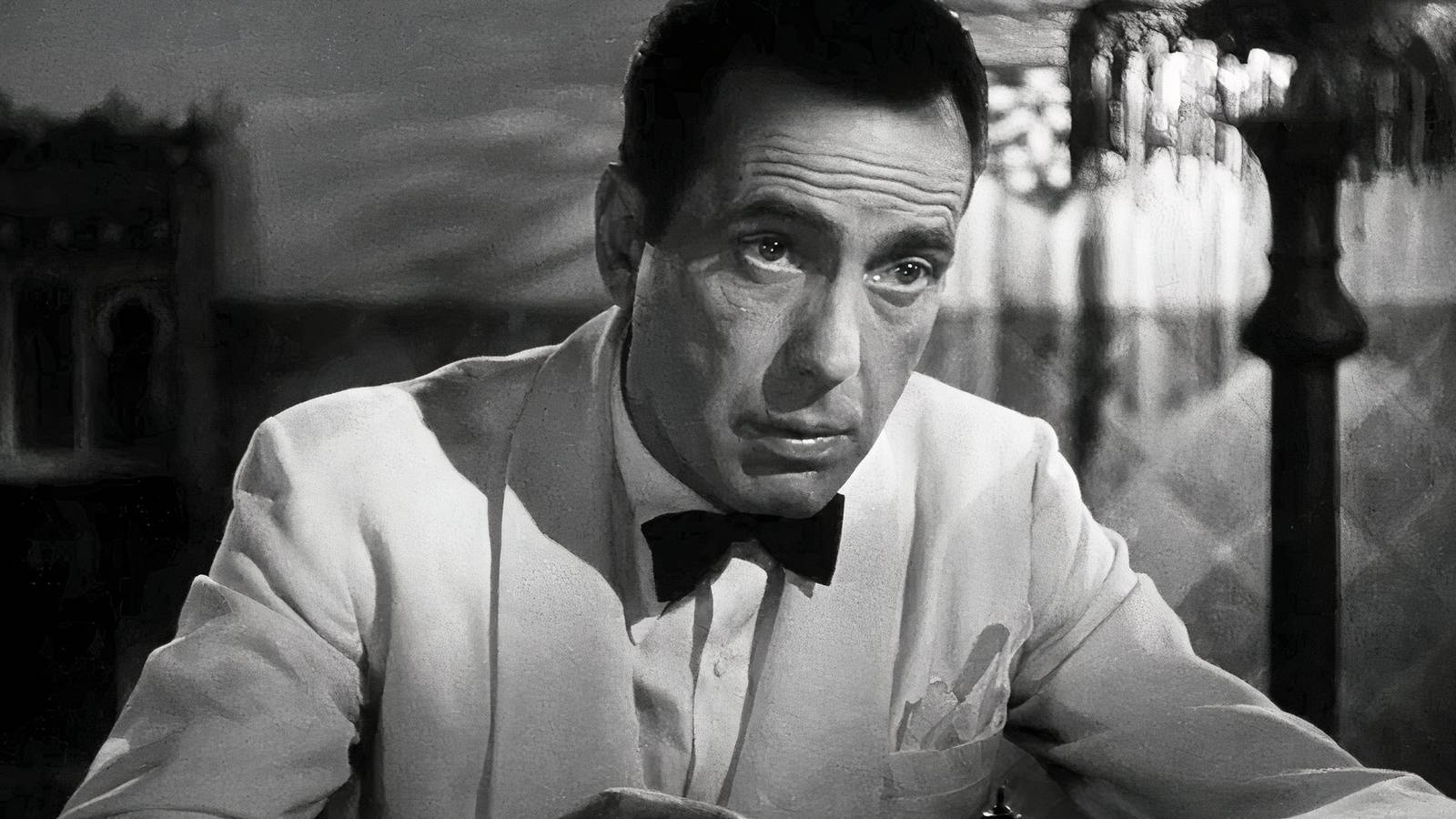
Michael Curtiz's Casablanca is a perfect example of studio-era filmmaking at its finest. The film's direction is so seamless that it feels effortless, but every choice—from the framing of Rick and Ilsa's reunion to the use of fog and shadows—serves the story of love and sacrifice in wartime. The famous line "Here's looking at you, kid" is delivered with such naturalness that it becomes iconic.
Curtiz's ability to balance romance, suspense, and political intrigue in a single film is remarkable. The final scene at the airport, with Rick making the ultimate sacrifice, is a masterclass in emotional payoff. The film won three Academy Awards, including Best Picture and Best Director.
4. 'Sunset Boulevard' (1950)
Billy Wilder's Sunset Boulevard is a darkly comic film noir about a struggling screenwriter who becomes entangled with a faded silent film star. Wilder's direction is sharp and cynical, using the decaying mansion of Norma Desmond as a metaphor for Hollywood's obsession with youth and fame. The film's opening shot, showing the protagonist dead in a swimming pool, sets the tone for a story told in flashback.
Wilder's use of close-ups and shadows creates a claustrophobic atmosphere that mirrors the characters' psychological states. The famous line "All right, Mr. DeMille, I'm ready for my close-up" is a haunting finale that perfectly captures Norma's delusion. The film won three Academy Awards, including Best Original Screenplay.
3. 'Citizen Kane' (1941)
Orson Welles' Citizen Kane is often called the greatest film ever made, and its direction is a major reason why. Welles, who co-wrote, directed, and starred in the film, used innovative techniques like deep focus, low-angle shots, and non-linear storytelling to tell the story of a newspaper magnate's rise and fall. Every shot is meticulously composed to convey information about character and theme.
The famous "Rosebud" mystery drives the narrative, but the film's true power lies in its visual storytelling. The scene where Kane's wife leaves him, shown through a series of dissolves, is a brilliant example of cinematic shorthand. Welles' direction was groundbreaking and continues to influence filmmakers today.
2. 'The Good, the Bad and the Ugly' (1966)
Sergio Leone's The Good, the Bad and the Ugly is a masterpiece of visual storytelling, using extreme close-ups, long shots, and Ennio Morricone's iconic score to create a mythic Western. The film's direction is all about tension and release, with the famous Mexican standoff being a perfect example of Leone's ability to build suspense through editing and framing.
Leone's use of the landscape, from the desert to the cemetery, adds to the film's epic scope. The final duel, with its rapid-fire close-ups and Morricone's score, is one of the most perfectly directed sequences in cinema history. The film is a testament to Leone's vision and control.
1. 'The Godfather Part II' (1974)
Francis Ford Coppola's The Godfather Part II is a rare sequel that surpasses the original, and its direction is even more assured. The film intercuts two timelines—the rise of a young Vito Corleone and the fall of his son Michael—using parallel editing to explore themes of power, family, and corruption. Every scene is perfectly paced, and the performances are uniformly excellent.
The film's visual style is more sophisticated than the original, with Coppola using color and composition to differentiate the two timelines. The final scene, with Michael sitting alone in his garden, is a haunting image of isolation and regret. The film won six Academy Awards, including Best Picture and Best Director.
For more on classic films, check out our list of the most universally beloved war movies of all time and forgotten detective movies that aged like fine wine.