Some stories are best told through letters, diary entries, or even cassette tapes. That's the magic of epistolary fiction—a narrative style that unfolds through documents, giving readers a front-row seat to private thoughts and hidden truths. When done right, these books feel like you're piecing together a puzzle, one fragment at a time. Here are the greatest epistolary books of all time, ranked for their emotional punch, innovation, and lasting impact.
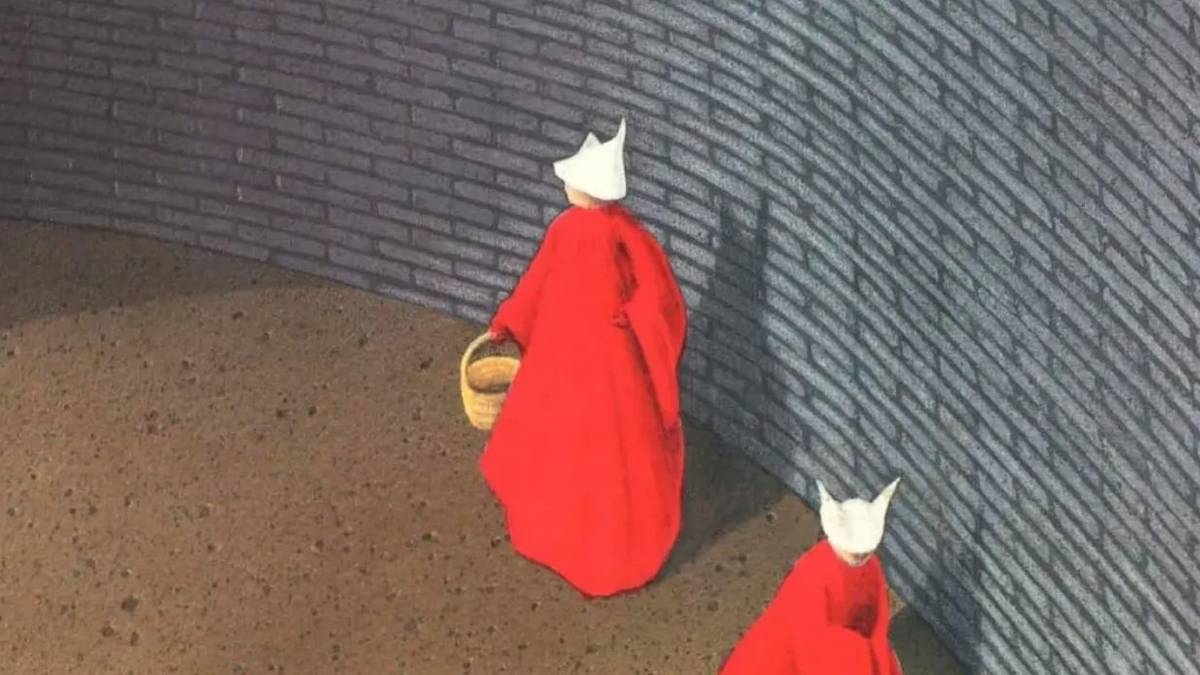
10. The Handmaid's Tale (1985)
Margaret Atwood's dystopian classic is presented as a reconstructed narrative, assembled from tapes and fragmented records of Offred's life under the totalitarian regime of Gilead. The gaps in her story are as telling as what she reveals, forcing readers to draw their own conclusions. The novel's "Historical Notes" section reframes her account as a recovered document, highlighting how stories survive and are reinterpreted over time. It's a chilling, intimate look at survival and resistance.
9. The Sufferings of Young Werther (1774)
Johann Wolfgang von Goethe's revolutionary novel unfolds entirely through letters from the title character to his friend Wilhelm. Werther's unrequited love spirals into despair, and the epistolary format traps us in his increasingly unstable perspective. There's no external calm—only his voice, growing more frantic. This structure was groundbreaking for its time and influenced countless epistolary works that followed.
8. The Perks of Being a Wallflower (1999)
Stephen Chbosky's coming-of-age story is told through letters from Charlie to an anonymous recipient. His naive observations deepen as he navigates friendship, love, and trauma. Key aspects of his past emerge slowly, letting readers piece together the truth alongside him. The format also showcases his personality quirks and literary references, making it a vivid snapshot of the early '90s. For fans of intimate storytelling, this is a must-read, much like the greatest narrated movies of all time.
7. The Color Purple (1982)
Alice Walker's Pulitzer Prize-winning novel is told through letters from Celie, first to God and later to her sister Nettie. The epistolary form allows Celie's voice to evolve from fragmented, tentative sentences to confident, expressive prose. Writing becomes her way of reclaiming identity and survival. The dual correspondence in the second half expands the story to touch on larger historical forces, making it a powerful testament to resilience.
6. We Need to Talk About Kevin (2003)
Lionel Shriver's novel unfolds through letters from Eva to her absent husband, reconstructing the path that led to their son Kevin's horrific act. The epistolary format creates unease, as Eva's detailed account is shaped by guilt and self-justification. It's a gripping exploration of blame and redemption, perfect for fans of thriller masterpieces.
5. Carrie (1974)
Stephen King's debut novel uses newspaper clippings, diary entries, and official documents to tell the story of Carrie White, a bullied teen with telekinetic powers. The fragmented format mirrors the chaos of her life and the town's destruction. It's a masterclass in building suspense through multiple perspectives, making the horror feel disturbingly real.
4. Dracula (1897)
Bram Stoker's iconic vampire tale is told through letters, diary entries, and ship logs. The multiple narrators—Jonathan Harker, Mina Murray, Dr. Seward—create a mosaic of fear and urgency. The epistolary format heightens the sense of dread, as each document adds a piece to the puzzle of Count Dracula's menace. It's a cornerstone of horror literature.
3. The Screwtape Letters (1942)
C.S. Lewis's satirical novel consists of letters from a senior demon, Screwtape, to his nephew Wormwood, offering advice on tempting a human. The reverse perspective is brilliant, revealing human weaknesses through a demonic lens. The epistolary format makes the moral lessons sharp and engaging, a unique take on good and evil.
2. Frankenstein (1818)
Mary Shelley's classic uses letters from explorer Robert Walton to frame the story of Victor Frankenstein and his creature. The nested narratives—Walton's letters, Victor's tale, the creature's account—create a layered exploration of ambition and isolation. The epistolary structure adds depth, making each voice distinct and unreliable.
1. The Guernsey Literary and Potato Peel Pie Society (2008)
Mary Ann Shaffer and Annie Barrows' novel is told entirely through letters between writer Juliet Ashton and the residents of Guernsey after World War II. The format captures the warmth, humor, and pain of a community rebuilding. Each letter reveals character and history, making the story feel like a conversation you're privileged to overhear. It's a heartwarming testament to the power of connection, much like the most gut-wrenching TV episodes that explore human bonds.
Epistolary books thrive on subjectivity—unreliable voices, shifting timelines, and gaps that force us to read between the lines. They simulate the act of remembering, with all its messiness and bias. Whether you're drawn to horror, romance, or social commentary, these novels prove that sometimes, the most powerful stories are told through letters.