Remakes are always a gamble, and the noir genre is no exception. When done right, a fresh take on a classic can be electrifying. But when it goes wrong, it's a painful reminder that some films are best left untouched. The 1978 version of The Big Sleep, starring Robert Mitchum and Jimmy Stewart, is a prime example of a remake that missed the mark entirely.
What Made the Original 'The Big Sleep' So Great
Humphrey Bogart's 1946 The Big Sleep is the gold standard for noir detective films. Bogart's Philip Marlowe had the perfect blend of cynicism and charm, and his chemistry with Lauren Bacall was legendary. The film stayed close to Raymond Chandler's novel for most of its runtime but took creative liberties with the ending to keep Bacall more involved. It worked beautifully, even if purists wanted a more faithful adaptation.
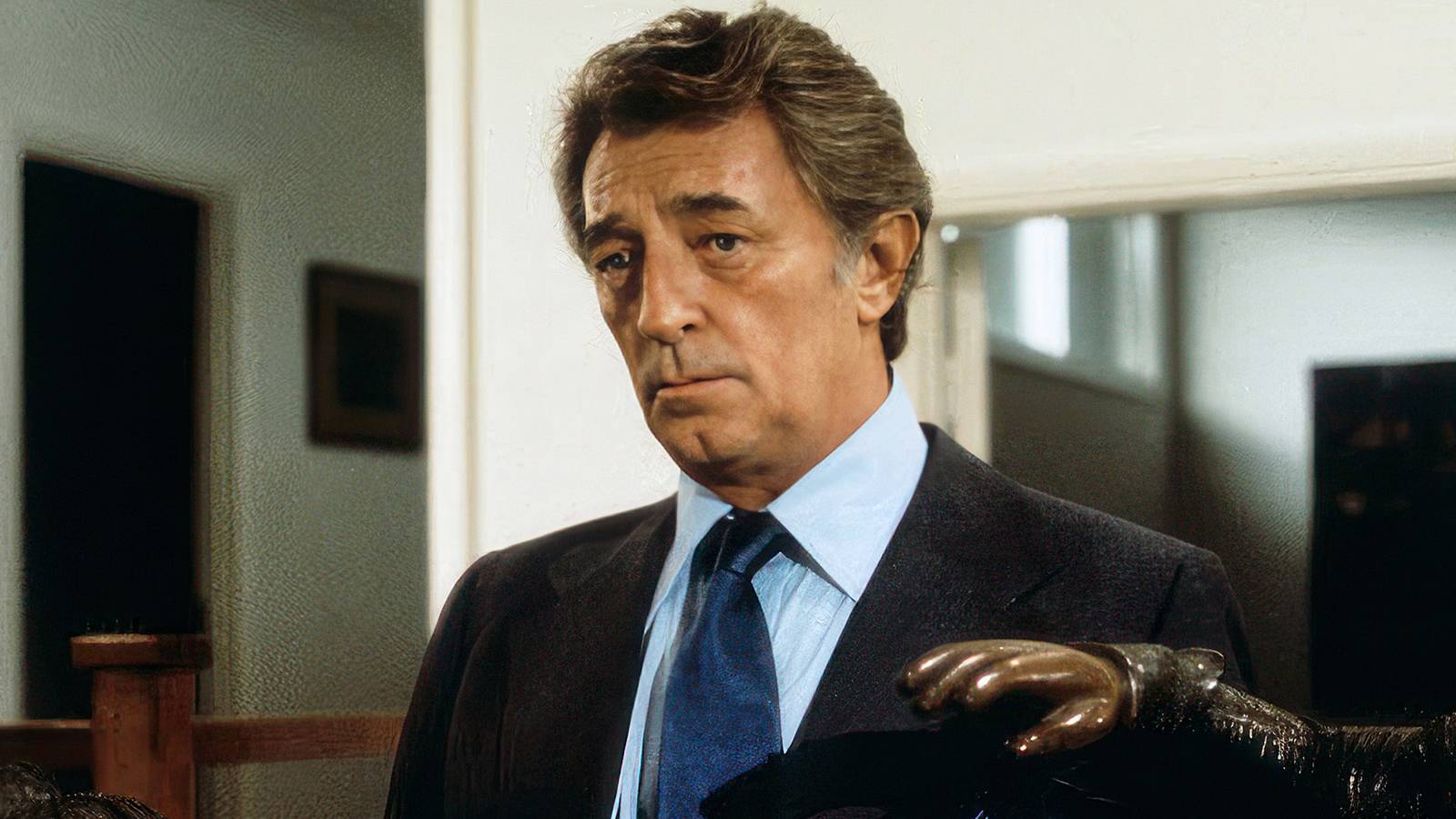
So when British director Michael Winner decided to remake the film in 1978, he aimed to honor Chandler's novel more closely. He moved the story from 1940s Los Angeles to 1970s London and cast Robert Mitchum as Marlowe, alongside Jimmy Stewart as General Sternwood. On paper, it seemed like a recipe for success. In reality, it was a disaster.
Why the 1978 Remake Fails
The biggest mistake was the setting. By transplanting the story to London, the film lost the deeply American soul of the noir. The rain-slicked streets of LA were replaced by dreary British backdrops, and the lighting and cinematography felt flat and uninspired. Mitchum, at 60, was too old to play Marlowe, who is supposed to be in his mid-30s. He delivered his lines with a bored detachment that stripped the character of his complexity and charisma. When he shares scenes with Stewart, who was only a decade older, the age gap feels awkward and unconvincing.
The remake also failed to capture the chemistry that made the original so memorable. Mitchum and Sarah Miles (who played Charlotte Regan) had none of the spark that Bogart and Bacall shared. The film tried to compensate by leaning heavily on sexual themes, but it came off as gratuitous rather than daring.
Sticking Too Close to the Source Material
Ironically, the remake's fidelity to Chandler's novel is part of the problem. While the 1946 film took liberties to enhance the story, the 1978 version follows the book almost word for word. The dialogue is lifted directly from the pages, but it lacks the subtext and nuance that made Bogart's delivery so iconic. The ending, which stays true to the novel's bleakness, feels anticlimactic compared to the original's more romanticized conclusion.
For fans of classic noir, this remake is a cautionary tale. It proves that faithfulness to the source material isn't enough if the execution is flat. If you want to see a truly great adaptation of Chandler's work, stick with the Bogart version or check out The Greatest Narrated Movies of All Time, Ranked for more cinematic gems.
A Star-Studded Cast That Couldn't Save It
The 1978 The Big Sleep boasted an impressive cast, including Jimmy Stewart, Richard Boone, and Oliver Reed. But even their talents couldn't salvage the film. Stewart, in one of his final roles, seems miscast as the elderly General Sternwood, and the rest of the cast delivers performances that feel phoned in. The film's reliance on sex to sell the story only highlights its lack of genuine tension or intrigue.
In the end, the 1978 remake is a forgettable footnote in noir history. It's a reminder that some classics are best left alone, and that even the most faithful adaptation can fall flat without the right director, cast, and setting. For a better crime thriller, check out Why Netflix's 'Alias Grace' Remains a Must-Watch Crime Thriller Adaptation or Netflix's 'The Lincoln Lawyer' Is the Crime Thriller Successor to 'Bosch' You Need to Binge.