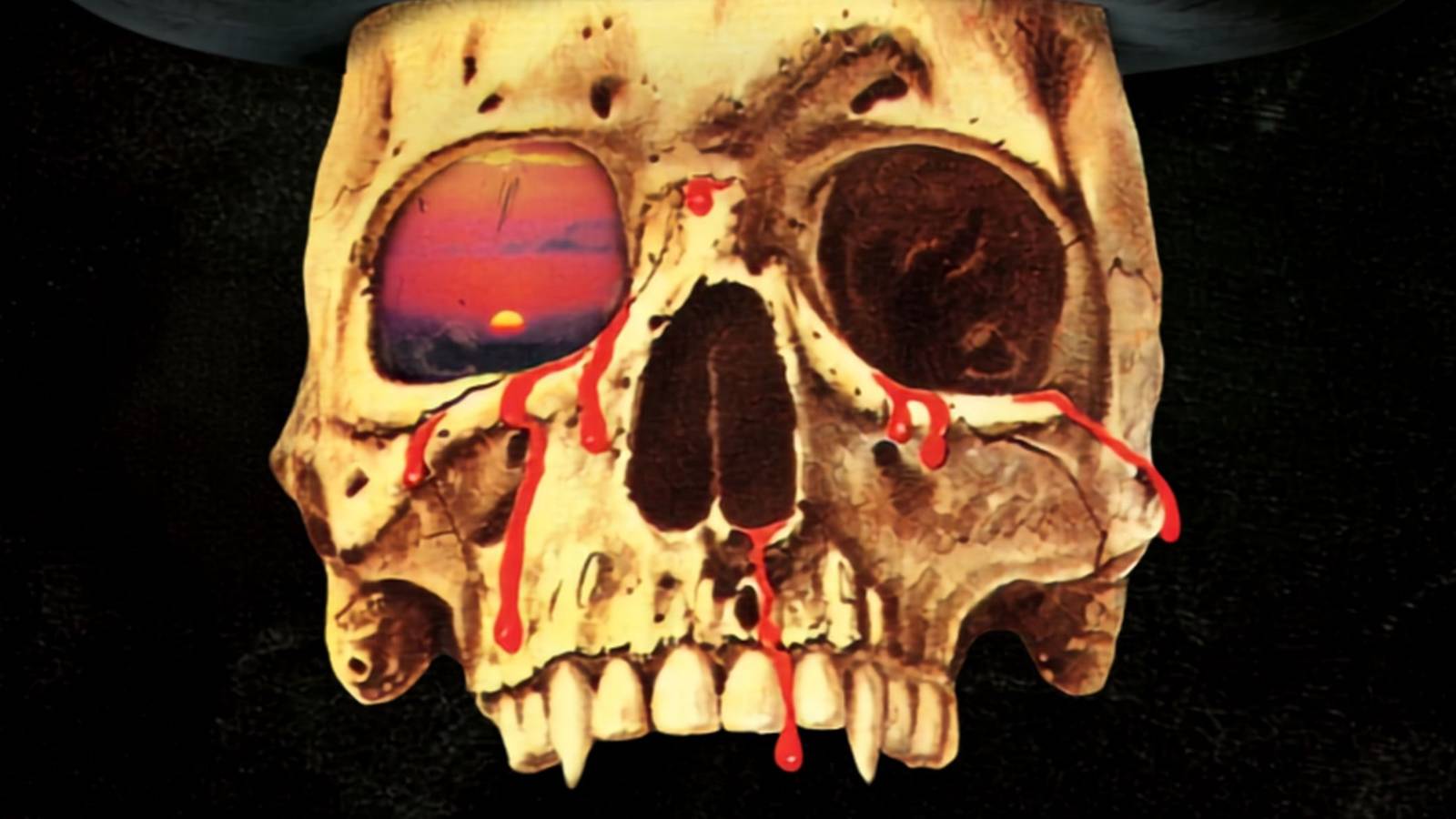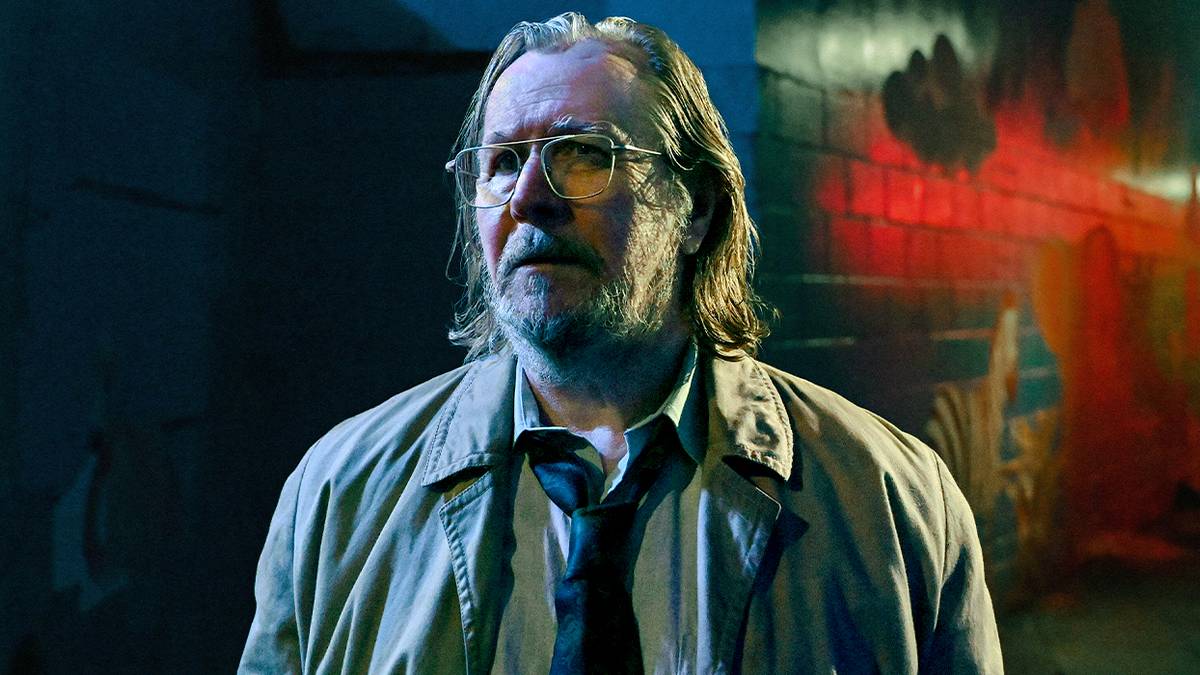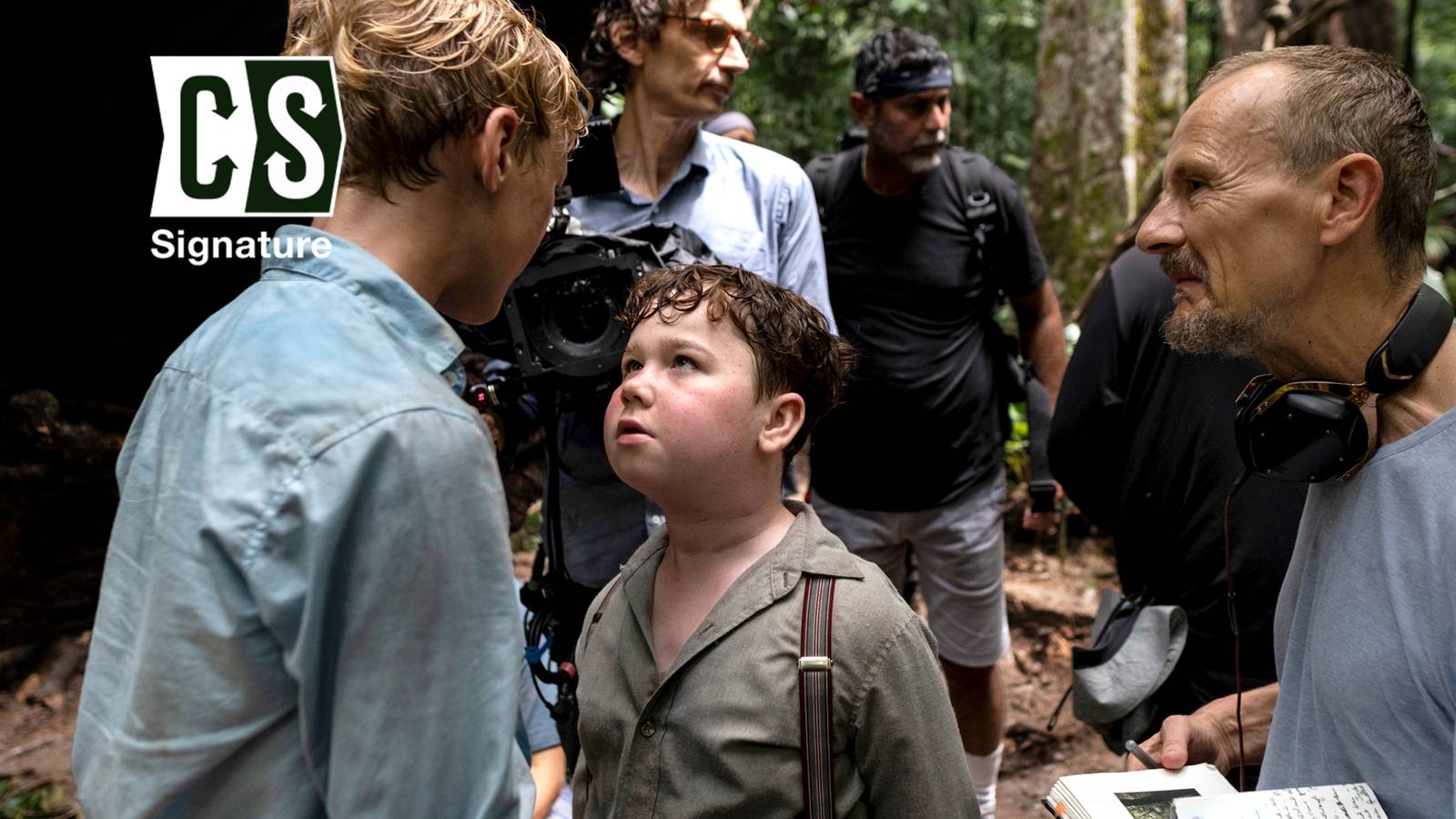
Fresh off the success of Adolescence, writer Jack Thorne is diving even deeper into the complexities of boyhood with the first-ever TV adaptation of William Golding's dystopian classic, Lord of the Flies. Streaming on Netflix, the four-part miniseries follows a group of schoolboys stranded on a tropical island after a plane crash, where civilization quickly unravels into primal chaos. Thorne, who has carried this story with him since childhood, recently sat down for an in-depth interview to reveal the behind-the-scenes secrets of the adaptation—and how one brutal death became the story's "animal."
Thorne first encountered Lord of the Flies as an 11-year-old, reading a copy his mother had "borrowed" from the Portway English Department. "I remember the sensation of feeling like the writer had gotten into me somehow," he recalls. "I felt like Simon. I was an autistic kid, not particularly adept at dealing with other people. I did look for the other in quite a lot of my life." That personal connection drove Thorne to finally bring the story to screen after a failed attempt 15 years ago for Channel 4. The project came together when his friend and executive producer Joel Wilson asked him, "What's the one book?" Thorne's answer was immediate: Lord of the Flies.
The miniseries stars David McKenna as Piggy, Lox Pratt as Jack, Ike Talbut as Simon, and Winston Sawyers as Ralph. Thorne emphasizes that the expanded runtime of a TV series allowed him to explore characters in ways the previous films couldn't. "The films are both very interesting, but there's so much in every page of Golding's book that I wanted to spend time with," he says. "That was particularly true of Jack." The second episode, which focuses on Jack's perspective, was a revelation for Thorne. "Golding was talking about Jack's emotion after the argument at the fire... I was like, 'I don't think I understood it properly.'"
Perhaps the most striking aspect of Thorne's approach is his description of the story as "a remarkably tender portrait of young boys." He explains, "That was the discovery I made reading it as an adult. As a child, I was like, 'I'm Simon. The world hates me.' As an adult, I could see bits of Jack that I refused to look at as a kid. And I could see bits of Ralph that are less kind than I expected." This tenderness, he says, is what makes the violence—especially Simon's death—so devastating. "Simon gets killed. I didn't understand what had happened, but there's the line about his silvery body drifting out to sea. I've never forgotten that feeling."
Thorne's career has been marked by a willingness to embrace chaos and explore diverse genres, from the award-winning Adolescence to three Enola Holmes movies, the stage play Stranger Things: The First Shadow, and an upcoming Beatles cinematic universe directed by Sam Mendes. He credits his success to trusting the process and never knowing what's next until it presents itself. For Lord of the Flies, that meant letting the story's primal energy guide him. "That thing of spending the second chapter with Jack... felt like the treat of doing it on television," he says.
Thorne also praised the young ensemble, including Owen Cooper from Adolescence, and noted that there are no plans to continue that story beyond what's already released. As for The Beatles films, he puts his full trust in Mendes. "Sam is one of the great directors of our time," Thorne says. "I'm just excited to see what he does."
For fans of Netflix's 'Lord of the Flies' Miniseries, Thorne's insights offer a deeper appreciation for the adaptation's emotional core. And for those who haven't yet watched, the series stands as a powerful reminder of why this story has haunted readers for decades. As Thorne puts it, "That has been the book, all my life. It's one that's lived with me in lots of different ways."