If you survived high school English class, you likely remember William Golding's Lord of the Flies—the 1954 novel about boys stranded on an island who descend into savagery. It's a story that's haunted readers for decades and inspired everything from Yellowjackets to countless survival tales. Now, Netflix has unleashed a four-part miniseries adaptation, and while it's a visually arresting and emotionally charged ride, it's not without its stumbles.
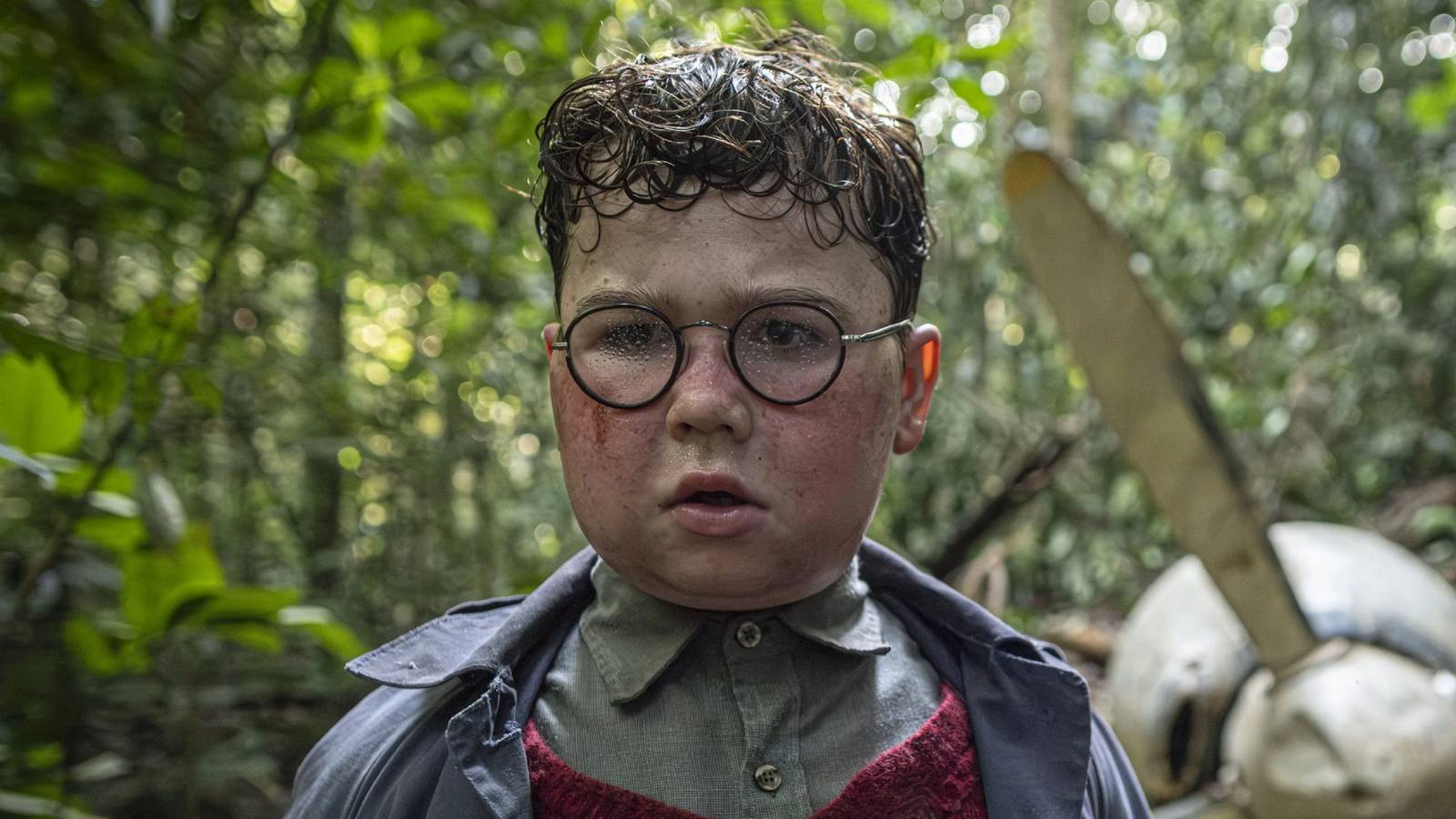
Set in the same timeless era as the book—no cellphones or modern gimmicks here—the series wastes no time. The plane crash has already happened when we meet our first survivor, Piggy (David McKenna), lying in the mud. Creator Jack Thorne (Adolescence) and director Marc Munden (The Secret Garden) wisely avoid updating the story, keeping its raw, primal core intact. Instead, they focus on how different personalities cope with unimaginable trauma.
A Fresh Structure That Pays Off
Each of the four episodes centers on a different boy: Piggy, the asthmatic brain of the group; Jack (Lox Pratt), the choir leader with a thirst for power; Simon (Ike Talbut), the sensitive soul caught between sides; and Ralph (Winston Sawyer), the reluctant chief. This structure lets us see the breakdown of order through multiple lenses, making the descent into chaos feel personal and inevitable.
The young cast is phenomenal. Pratt's Jack is a terrifying blend of bravado and insecurity—a bully who's secretly scared. McKenna's Piggy is the tragic heart, wise beyond his years and heartbreakingly lonely. Talbut's wide eyes convey Simon's unraveling, while Sawyer brings a quiet steadiness to Ralph. These performances keep the miniseries afloat, especially when the pacing drags.
Artistic Flair Meets Pacing Problems
Munden's direction is a feast for the eyes. The camera twists and blurs during chaos, colors saturate as characters lose their grip, and close-ups on numb faces feel like end-of-world school photos. Hans Zimmer's score—all woodwinds and strings that grow frantic—adds to the unease. But at four hours, the story strains. Golding's novel is only 224 pages; a two-hour film has always felt right. Here, repetitive scenes and meandering shots stretch the tension thin.
The biggest misstep comes in a crucial moment that should be sudden and shocking. Instead, the series draws it out with prolonged goodbyes, robbing the scene of its raw immediacy. It's a rare modernizing touch that clashes with the otherwise faithful tone.
Is It Worth Watching?
For newcomers, this Lord of the Flies is a solid entry point—a visually stunning, well-acted adaptation that captures the novel's themes of societal collapse. For fans, it's a mixed bag: the artistic choices are often brilliant, but the stretched runtime and one ill-advised change keep it from greatness. If you're craving more Netflix originals, check out our list of the 10 best Netflix originals of the last decade for more binge-worthy picks.
Ultimately, this miniseries settles for being pretty good when it could have been extraordinary. But with performances this strong and a vision this bold, it's still a journey worth taking—just don't expect perfection.