Anime's global explosion has brought incredible stories to new audiences, but with mainstream success often comes creative repetition. While many series follow familiar formulas, a select few have dared to dismantle the rulebook entirely. These are the revolutionary shows that didn't just play the game—they changed it forever, establishing new storytelling paradigms that generations of creators would follow.
10. Chainsaw Man (2022–Present)
In a landscape of predictable shōnen adventures, Chainsaw Man arrived as a beautifully chaotic deconstruction. Denji's journey from impoverished nobody to devil hunter isn't about noble goals or saving the world—it's about experiencing simple human pleasures he's been denied. The series embraces bizarre, visceral horror and flawed characters to craft a narrative that feels both refreshingly modern and defiantly weird, challenging every expectation of what a battle anime can be.
9. Puella Magi Madoka Magica (2011)
What begins as a classic magical girl story transforms into one of anime's most devastating psychological horrors. Madoka Magica lures viewers with pastel aesthetics and hopeful protagonists before revealing the terrifying cosmic consequences of their wishes. This series redefined an entire genre, proving that beneath the sparkle and transformation sequences could lie profound trauma and existential dread, influencing countless dark fantasy series that followed.
8. Yu Yu Hakusho (1992–1995)
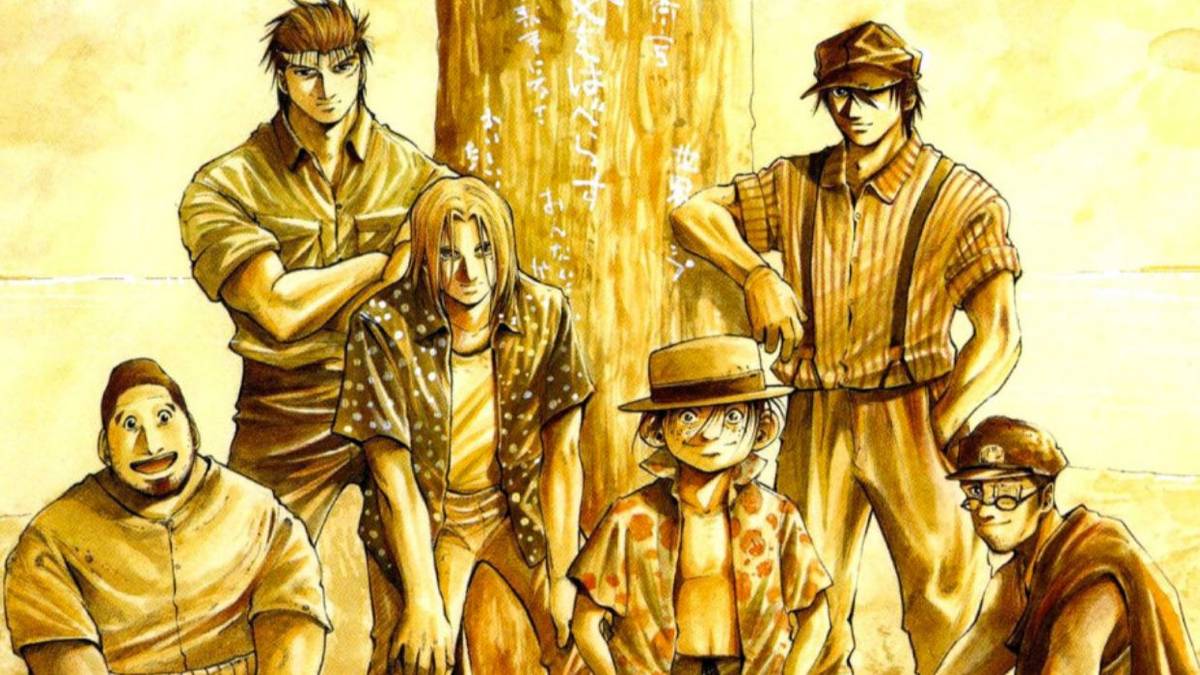
While it might feel conventional to modern audiences, that's precisely because Yu Yu Hakusho established so many shōnen conventions. Yusuke Urameshi—the delinquent with a hidden heart of gold—became a blueprint for antihero protagonists. More significantly, the series perfected and popularized the tournament arc structure, a narrative device that has become a staple in everything from My Hero Academia to modern fantasy hits.
7. Slam Dunk (1993–1996)
Sports anime existed before Slam Dunk, but this series elevated the genre through unparalleled character depth. Hanamichi Sakuragi's journey from girlfriend-obsessed punk to passionate athlete feels authentic and transformative. The series didn't just tell exciting basketball stories—it made an entire nation fall in love with the sport, demonstrating how sports narratives could drive cultural phenomena through compelling personal arcs rather than just game highlights.
6. The Melancholy of Haruhi Suzumiya (2006–2009)
At the height of 2000s otaku culture, Haruhi Suzumiya both embraced and deconstructed the emerging "moe" aesthetic. By blending slice-of-life school comedy with sci-fi conspiracy and experimental storytelling—most notoriously in its repetitive "Endless Eight" arc—the series proved that cute character designs could house genuinely innovative narrative structures. It demonstrated that genre boundaries were meant to be crossed, much like how groundbreaking crime series reinvented television storytelling.
5. Frieren: Beyond Journey's End (2023–Present)
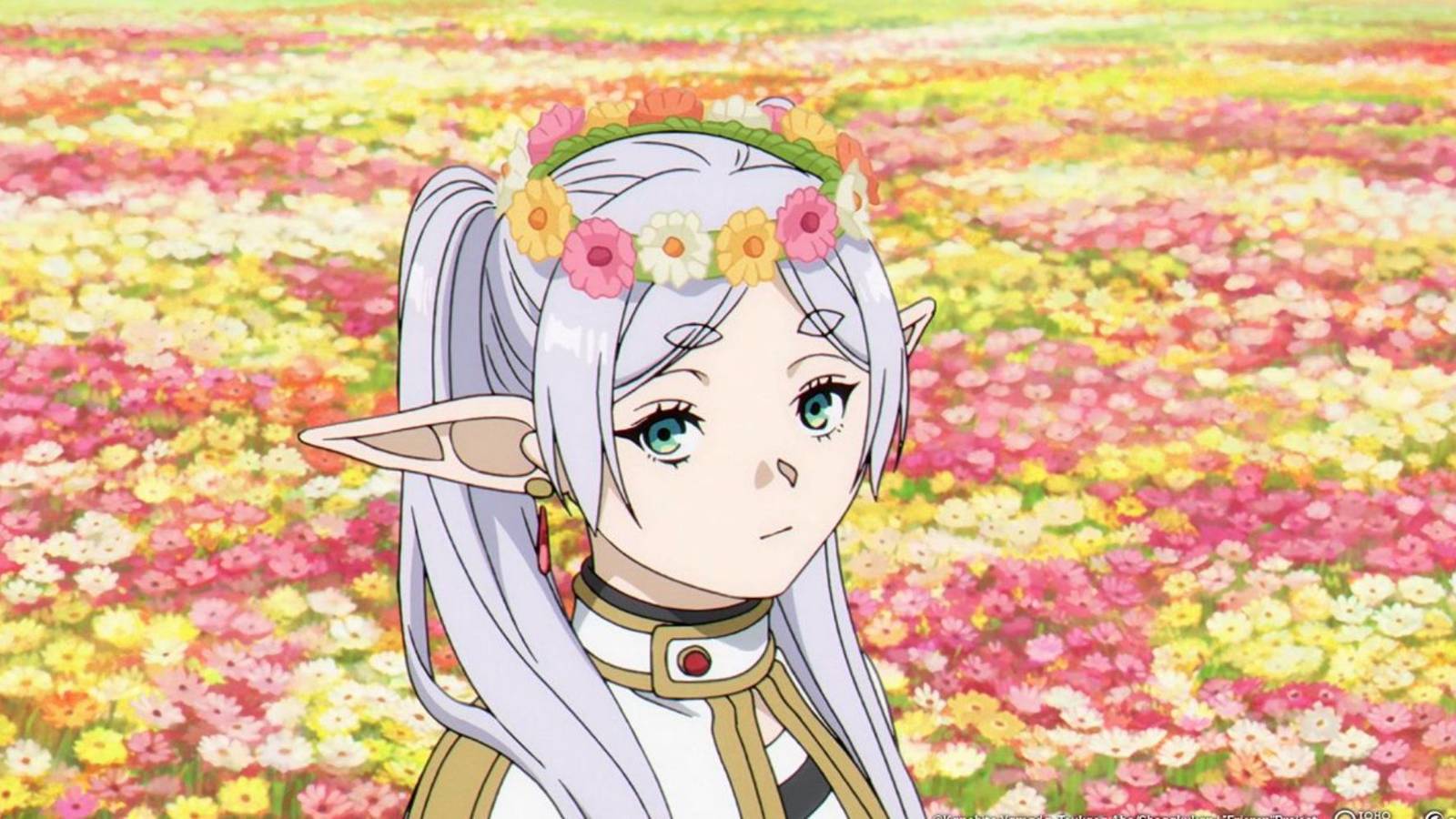
This recent masterpiece reimagines fantasy not as a tale of conquest, but as a meditation on memory, loss, and time. Following an elf mage who has outlived her heroic companions, Frieren explores the emotional aftermath of adventure with breathtaking subtlety. It replaces epic battles with quiet moments of reflection, creating a new template for fantasy that prioritizes philosophical depth over traditional conflict, proving that some of the most revolutionary stories are also the most peaceful.
4. Neon Genesis Evangelion (1995–1996)
No list of genre-redefining anime would be complete without Hideaki Anno's seismic masterpiece. Evangelion began as a mecha series before evolving into a deeply personal exploration of trauma, depression, and human connection. Its controversial finale shattered expectations about narrative closure, while its complex characters—particularly the psychologically fragile Shinji Ikari—redefined what protagonists could be. The series demonstrated that giant robots could be vehicles for profound existential inquiry.
3. Dragon Ball Z (1989–1996)
While Dragon Ball established the foundation, its sequel perfected the shōnen battle formula that would dominate decades. Dragon Ball Z introduced power levels, transformations, and universe-threatening conflicts that became genre staples. Its pacing—stretching battles across multiple episodes while exploring character motivations—created a blueprint for long-form storytelling that series like One Piece and Naruto would follow, making it perhaps the most influential battle anime ever created.
2. Cowboy Bebop (1998–1999)
Cowboy Bebop didn't just blend genres—it created an entirely new aesthetic language for anime. Fusing film noir, westerns, jazz, and cyberpunk, the series proved that animation could achieve cinematic sophistication previously reserved for live-action. Its episodic structure, mature themes, and emphasis on style over exposition demonstrated that anime could appeal to global adult audiences, paving the way for the medium's international acceptance.
1. Attack on Titan (2013–2023)
What began as a gripping survival horror evolved into one of anime's most ambitious moral and political epics. Attack on Titan continuously reinvented itself, shifting perspectives and challenging audience allegiances in ways few series dare. Its willingness to transform from straightforward action to complex philosophical warfare—exploring cycles of violence, nationalism, and historical trauma—established a new standard for narrative ambition in mainstream anime, proving that popular series could tackle the most difficult human questions.
These revolutionary series remind us that the most memorable anime aren't those that follow formulas, but those that dismantle them. From Madoka's genre inversion to Frieren's quiet revolution, they prove that innovation often comes from questioning what a story "should" be. As new creators build upon these foundations—much like how innovative horror series reimagine familiar monsters—the legacy of these game-changers ensures that anime will continue to evolve in thrilling, unexpected directions.