Cinema has the unique power to transport us to other worlds, but some films go further—they dismantle reality itself. These surreal masterpieces create experiences so visually and narratively disorienting that watching them feels akin to an altered state of consciousness. They're not just movies; they're psychological journeys that challenge perception and linger in your mind long after the credits roll.
8. 'Pink Floyd: The Wall' (1982)
This film adaptation of the iconic concept album presents a harrowing portrait of rock stardom's psychological toll. Through a relentless stream of interconnected imagery, it depicts a musician's mental collapse, blurring the lines between reality, memory, and nightmare. The surreal visuals amplify the album's themes of isolation and trauma, creating an oppressive, immersive experience that feels less like watching a story and more like being trapped inside a fracturing mind.

7. 'The Holy Mountain' (1973)
Alejandro Jodorowsky's cult classic is less a conventional narrative and more an esoteric, symbolic pilgrimage. It follows a group of seekers on a bizarre, allegorical quest, filled with shocking imagery and ritualistic scenes. The film deliberately defies straightforward interpretation, inviting—or perhaps demanding—that viewers surrender to its chaotic, symbolic logic. It's the cinematic equivalent of an intense, confusing, yet captivating vision.
6. 'Alice' (1988)
Jan Švankmajer's nightmarish take on Alice's Adventures in Wonderland transforms a children's fantasy into a deeply unsettling experience. Using a combination of live-action and stop-motion animation with taxidermied animals, the film creates a tactile, grotesque world. Švankmajer aimed to capture the feel of a dream rather than a fairy tale, succeeding in crafting a version of Wonderland that is claustrophobic, eerie, and profoundly strange.
5. 'Paprika' (2006)
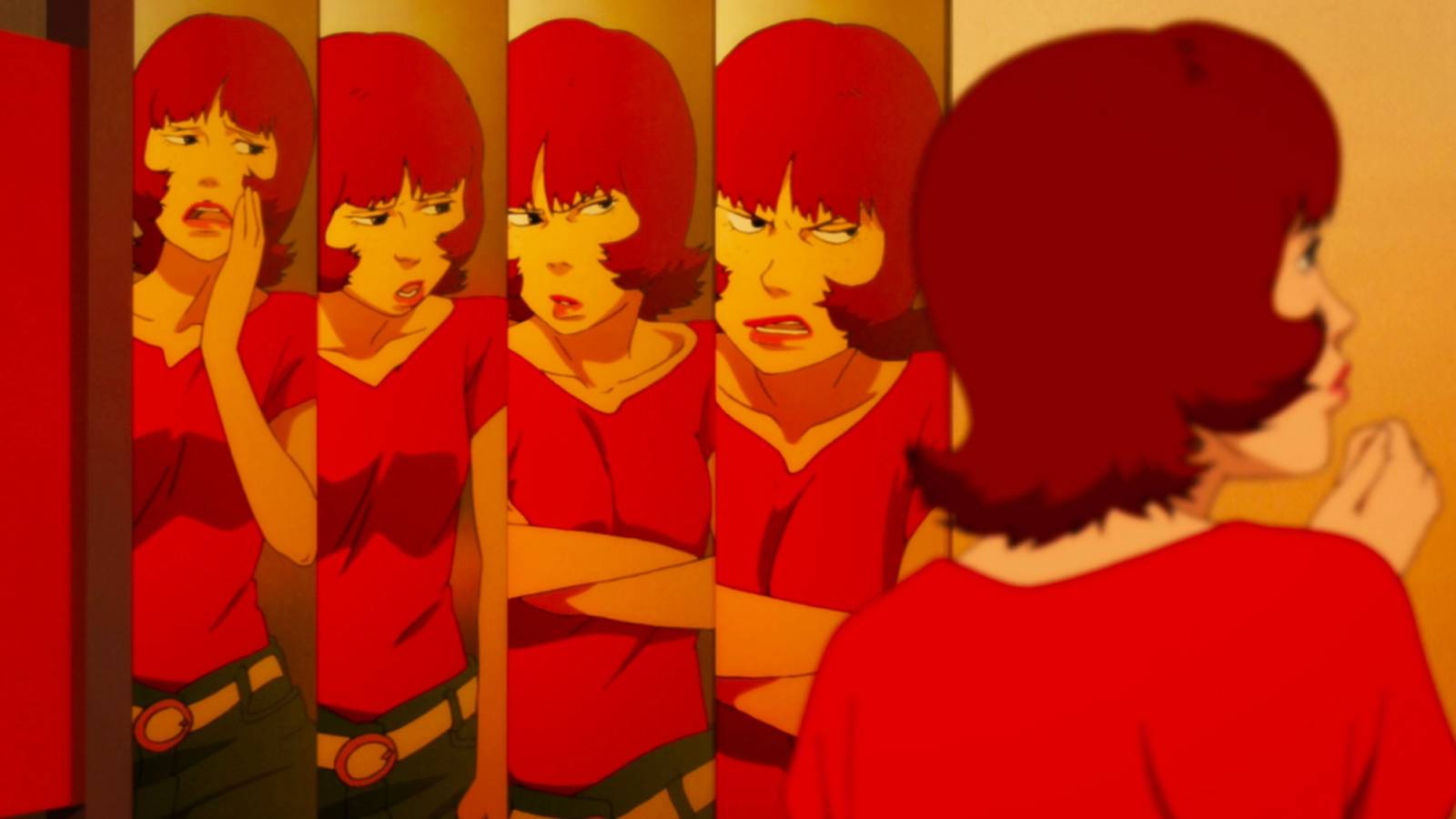
This animated sci-fi thriller dives headfirst into the realm of dreams. When a device that allows therapists to enter patients' dreams is stolen, the boundaries between the waking world and the dreamscape completely dissolve. The film's visual style is a riot of color and impossible transformations, mimicking the illogical, fluid nature of dreams themselves. The narrative moves with a frantic, associative logic that can feel as challenging and mesmerizing as the most vivid demanding cinematic experience.
4. 'Brazil' (1985)
Terry Gilliam's dystopian satire is a bureaucratic nightmare spun into surreal comedy. It follows a low-level clerk, Sam Lowry, whose mundane life is upended by a chance encounter, plunging him into a labyrinthine conspiracy. The film's world is a cluttered, malfunctioning retro-future where reality constantly buckles under the weight of absurdity and paranoia. Its fantastical dream sequences offer escape, only to twist into further layers of commentary, making the entire film feel like a waking dream within a broken system. Fans of unconventional world-building might also appreciate these forgotten sci-fi classics that pushed similar boundaries.
3. 'Fear and Loathing in Las Vegas' (1998)
A direct translation of psychedelic excess to the screen, Terry Gilliam's film follows journalist Raoul Duke and his attorney on a drug-fueled trip to Las Vegas. The film's visual language is deliberately distorted, with carpets that seem to breathe, hallucinatory creatures, and a pervasive sense of escalating madness. It doesn't just depict a trip; it uses every cinematic tool to make the viewer feel the disorientation, paranoia, and sensory overload of the experience.
2. 'Enter the Void' (2009)
Gaspar Noé's experimental epic is arguably the most literal attempt to simulate an altered state. Filmed largely from a first-person perspective, it follows the spirit of a recently deceased drug dealer as it floats through Tokyo, revisiting memories and observing the aftermath of his death. The camera becomes a disembodied consciousness, drifting through walls and time, accompanied by pulsating lights and hypnotic visuals designed to induce a trance-like, and often overwhelming, state in the viewer.
1. '2001: A Space Odyssey' (1968)
Stanley Kubrick's sci-fi monument becomes a genuinely psychedelic experience during its legendary 'Star Gate' sequence. As astronaut Dave Bowman travels beyond Jupiter, the film abandons narrative for a torrent of abstract, colorful light and impossible geometric landscapes, set to a soaring classical score. This prolonged, wordless segment is a pure sensory barrage, simulating the feeling of traveling through a cosmic wormhole or experiencing a transcendent vision, cementing the film's status as a timeless and essential piece of cinema that defies genre.
These films prove that cinema itself can be a powerful, reality-altering tool. They use the language of film—editing, visual effects, sound, and narrative structure—not just to tell stories, but to create profound, sensory experiences that reshape how we see the world, if only for a few hours. They are trips in their own right, requiring no substances beyond a willing mind and a capable screen.