When we talk about war cinema, the conversation often circles the same handful of celebrated titles. While those films have earned their accolades, they represent just one corner of a vast and emotionally complex genre. Some of the most powerful war movies ever made exist outside that mainstream spotlight—films that leave viewers emotionally gutted, intellectually provoked, and forever changed by their unflinching gaze at the machinery of conflict.
This list isn't about obscure curiosities. These are essential, passionately recommended works that deserve a place in any serious discussion of the genre. They approach war from unexpected angles, focusing on psychological pressure, moral decay, and the sheer physical terror that defines the experience far from Hollywood's heroic narratives.

10. 'The Beast' (1988)
This gripping film distills the Soviet-Afghan War down to the claustrophobic interior of a single tank. It masterfully portrays the armored vehicle not just as a weapon, but as a sealed moral universe where fear, hierarchy, and poor decisions fester. The desolate Afghan landscape becomes a character itself—hostile, endless, and brutally clarifying. By presenting perspectives from both the invading crew and the local resistance, the film avoids simple heroics, instead revealing war as a grinding process that forces men into their worst possible selves.
9. 'Kajaki' (2014)
Based on a true incident, this British film delivers one of cinema's most sustained exercises in dread. It follows a group of soldiers trapped in a minefield in Afghanistan, where every potential movement could be fatal. The horror here isn't in large-scale battles but in paralyzing spatial terror. The film's power comes from its visceral realism and the authentic portrayal of soldiers trying to maintain camaraderie and sanity in a situation of vicious, random cruelty. It's a stark reminder of war's capacity for horror even in moments of apparent stillness.
8. 'The Winter War' (1989)
This Finnish epic offers a stark, unsentimental look at the 1939-1940 conflict between Finland and the Soviet Union. Its genius lies in portraying the cold not as mere atmosphere but as an active, lethal weapon. The film focuses on the collective experience of soldiers facing overwhelming odds, deliberately avoiding the creation of mythic individual heroes. This ensemble approach makes each loss feel like the erosion of a shared human bond, resulting in one of the genre's most authentically grim and powerful entries.
7. 'A Midnight Clear' (1992)
Set during World War II's Ardennes campaign, this film begins as a quiet, character-driven study of an American reconnaissance squad before descending into profound bleakness. It explores the fragile possibility of humanity and connection across enemy lines, only to show how war's impersonal machinery systematically destroys that potential. The conclusion is devastating precisely because it feels like hope is not grandly defeated, but carelessly and stupidly crushed by the inevitable logic of conflict.
For fans of meticulously crafted historical drama, our look at cinema's most flawless war epics explores how grand scale and intimate stories can coexist.
6. 'Cross of Iron' (1977)
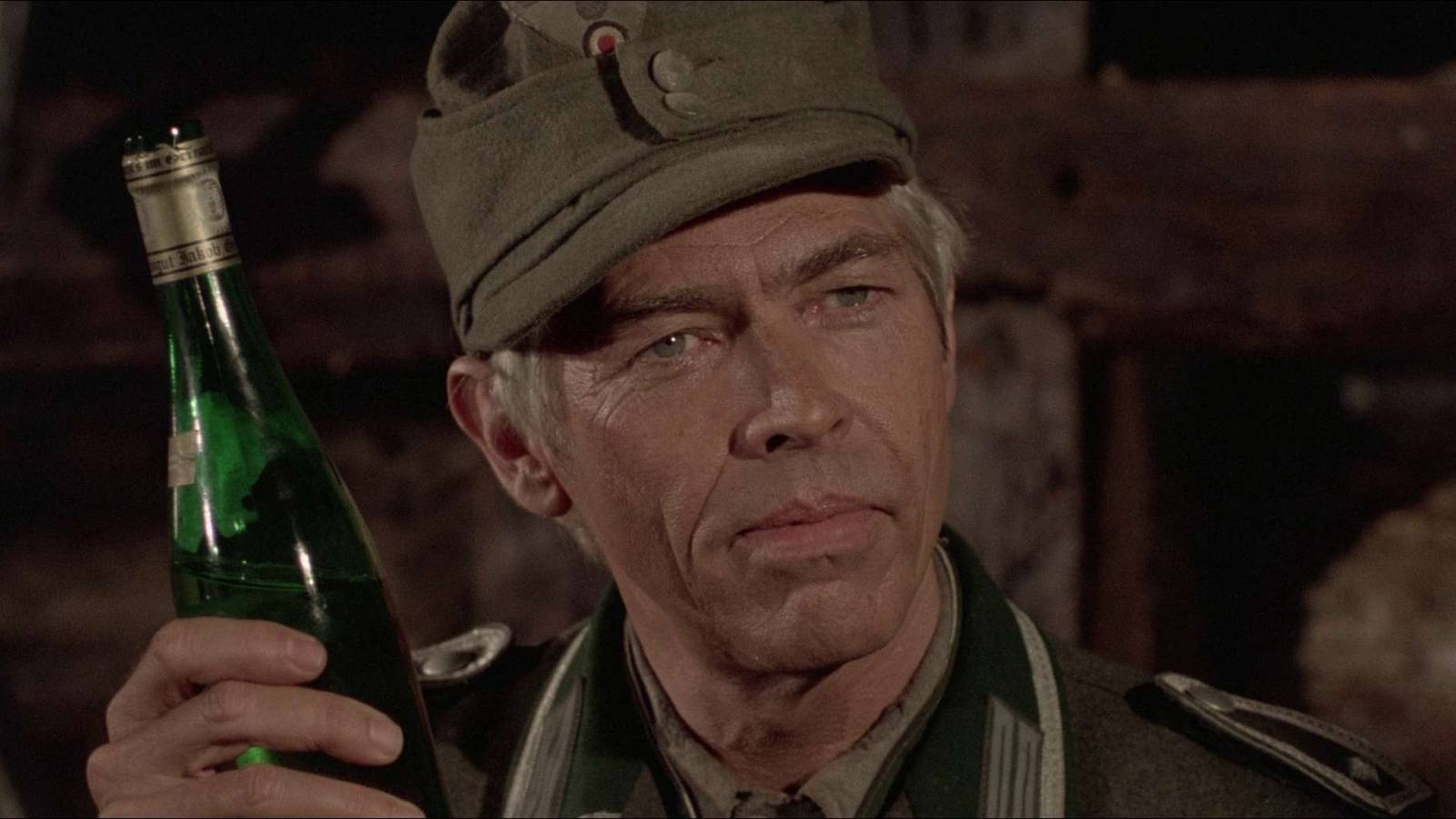
Directed by the famously combative Sam Peckinpah, this World War II film from the German perspective stands as a monumental work against wartime glorification. It channels raw fury at the hypocrisy and brutality of military command and nationalist ideology. The film is less concerned with battlefield tactics than with the degradation of the human spirit within a collapsing system, making it a uniquely angry and essential counter-narrative to traditional war stories.
5. 'Come and See' (1985)
This Soviet-era masterpiece is arguably one of the most harrowing films ever made about the Nazi occupation of Belarus. It follows a teenage boy's journey from eager partisan recruit to hollowed-out witness of absolute atrocity. The film employs surreal, hallucinatory techniques to mirror psychological trauma, refusing to offer catharsis or moral simplicity. It's an immersive descent into the heart of darkness that war creates, and its visceral impact is unforgettable.
4. 'The Ascent' (1977)
Another Soviet-era great, this film examines the spiritual and moral dimensions of resistance during World War II. It frames its story of partisans captured by Nazi collaborators through stark, almost religious imagery, transforming a survival narrative into a profound meditation on sacrifice, faith, and betrayal. The black-and-white cinematography and austere landscapes create a timeless, parable-like quality that elevates its tragedy to a universal level.
3. '71' (2014)
This relentless thriller drops a young British soldier into the chaotic, factional violence of 1970s Belfast after he becomes separated from his unit. The film expertly crafts a sense of pervasive paranoia and imminent threat, where every alleyway and face holds potential danger. It's less about the politics of The Troubles than about the raw, animal instinct for survival in an urban environment where war has erased clear lines between friend and foe.
2. 'The Human Condition' (1959-1961)
This monumental Japanese trilogy, spanning nearly ten hours, is one of cinema's most ambitious philosophical explorations of war. It follows an idealistic pacifist through Japan's Manchurian occupation, Soviet captivity, and ultimate physical and moral disintegration. The epic scale allows for a deep, novelistic examination of how systems of power—imperial, military, ideological—slowly crush individual conscience and humanity.
1. 'The Cranes Are Flying' (1957)
While it won the Palme d'Or, this Soviet film remains underseen by modern audiences. It tells a home-front love story shattered by World War II, using breathtaking, innovative cinematography to express emotional states. The film captures the war's impact not through combat, but through the aching absence it creates in personal lives and the irreversible alteration of a society's soul. Its poetic power and technical brilliance make it a landmark.
Seeking more hidden cinematic treasures? Don't miss our guide to superhero movies that deserve a second look for other underrated genre works waiting to be discovered.
These ten films prove that the most powerful war stories often exist beyond the familiar canon. They challenge viewers, reject easy answers, and present conflict in all its chaotic, dehumanizing, and tragically human complexity. They are not always easy watches, but they are essential ones—reminders of the genre's power to confront, not just entertain.