Movies have the incredible ability to make us feel, but sometimes that feeling is less about joy and more about endurance. While many films aim to entertain, a select few create experiences so intense, harrowing, or emotionally draining that watching them becomes a genuine challenge. These are the films that leave audiences shaken, often questioning whether one viewing is enough—or even too much.
Spanning decades and genres, from brutal horror to heartbreaking animation, these movies have earned their reputations as cinematic trials. They aren't for casual viewing; they're for those willing to confront discomfort, despair, and the darkest corners of human experience. Consider this your guide—and perhaps your warning—to the most demanding films ever committed to celluloid.
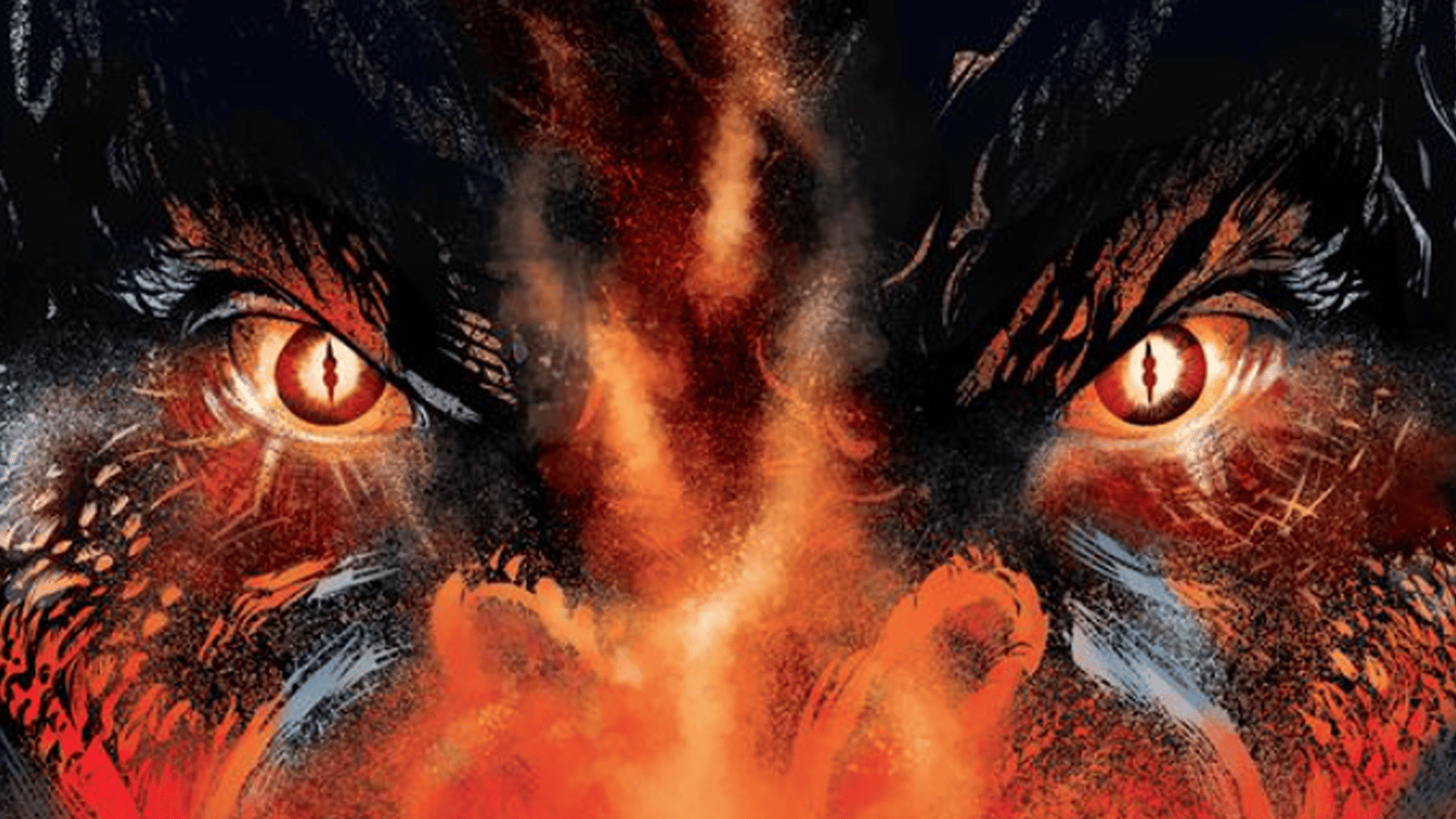
The Last House on the Left (1972)
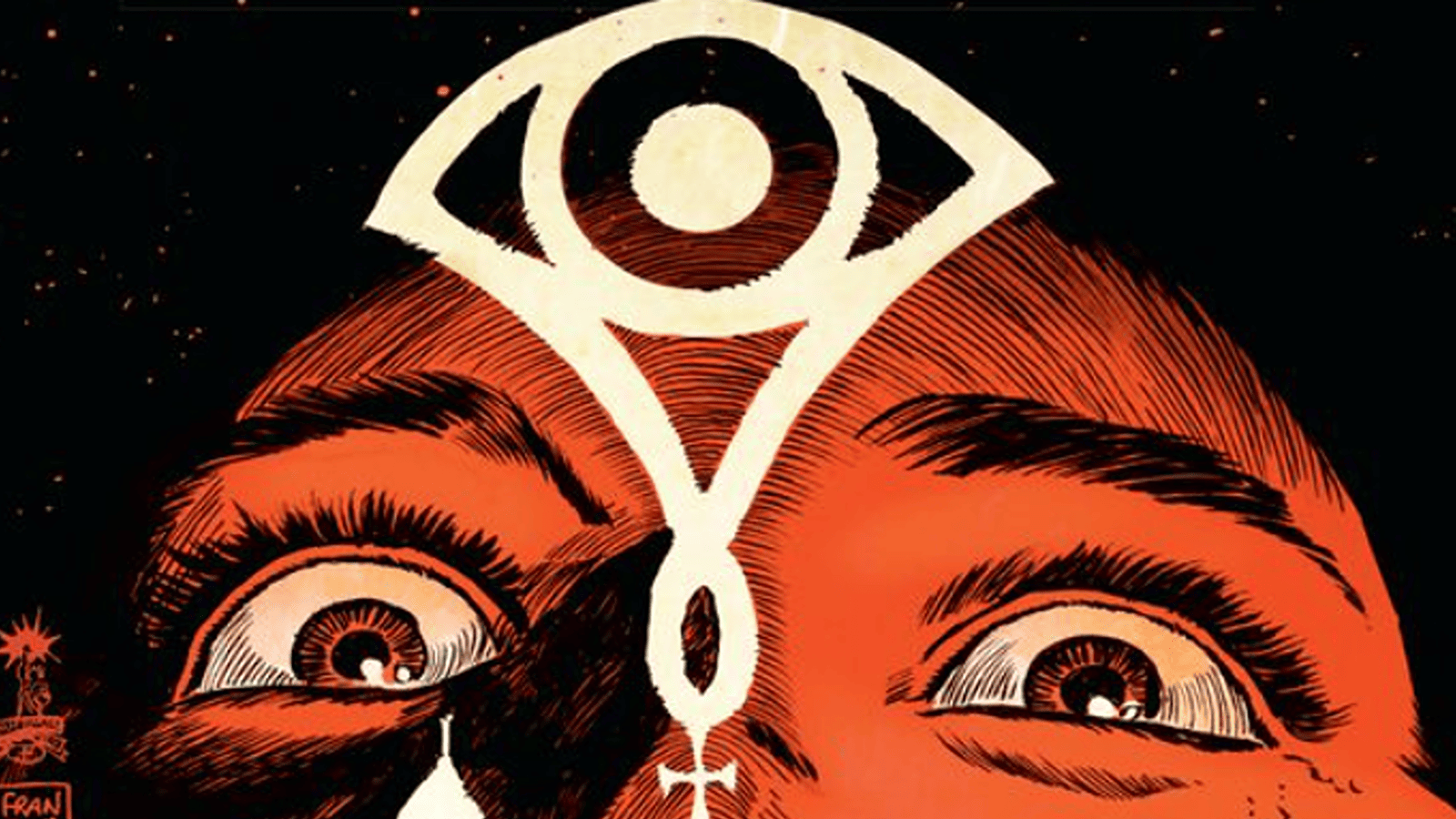
Wes Craven's directorial debut remains a landmark of uncompromising horror. Co-written with Sean S. Cunningham, this exploitation film pushes boundaries with its raw depiction of violence and revenge. More than fifty years later, its infamous assault sequence and brutal climax continue to shock viewers, cementing its status as a revolutionary—and deeply unsettling—piece of cinema that refuses to let audiences look away.
Antichrist (2009)
Lars von Trier's experimental horror film is a descent into psychological torment. Starring Willem Dafoe and Charlotte Gainsbourg as a grieving couple, Antichrist blends surreal imagery with graphic bodily horror. Gainsbourg's physically demanding performance as a mother unraveling from grief is unforgettable, making the film a polarizing masterpiece that challenges viewers with its unflinching exploration of pain and madness.
Cannibal Holocaust (1980)
Perhaps the most notorious film on this list, Ruggero Deodato's Cannibal Holocaust sparked real-world controversy, including murder charges against the director (later dropped). Its found-footage style and scenes of genuine animal cruelty create a visceral, nauseating experience that feels transgressively real. It's a film that many argue should not exist, yet it remains a disturbing landmark in horror history.
Henry: Portrait of a Serial Killer (1986)
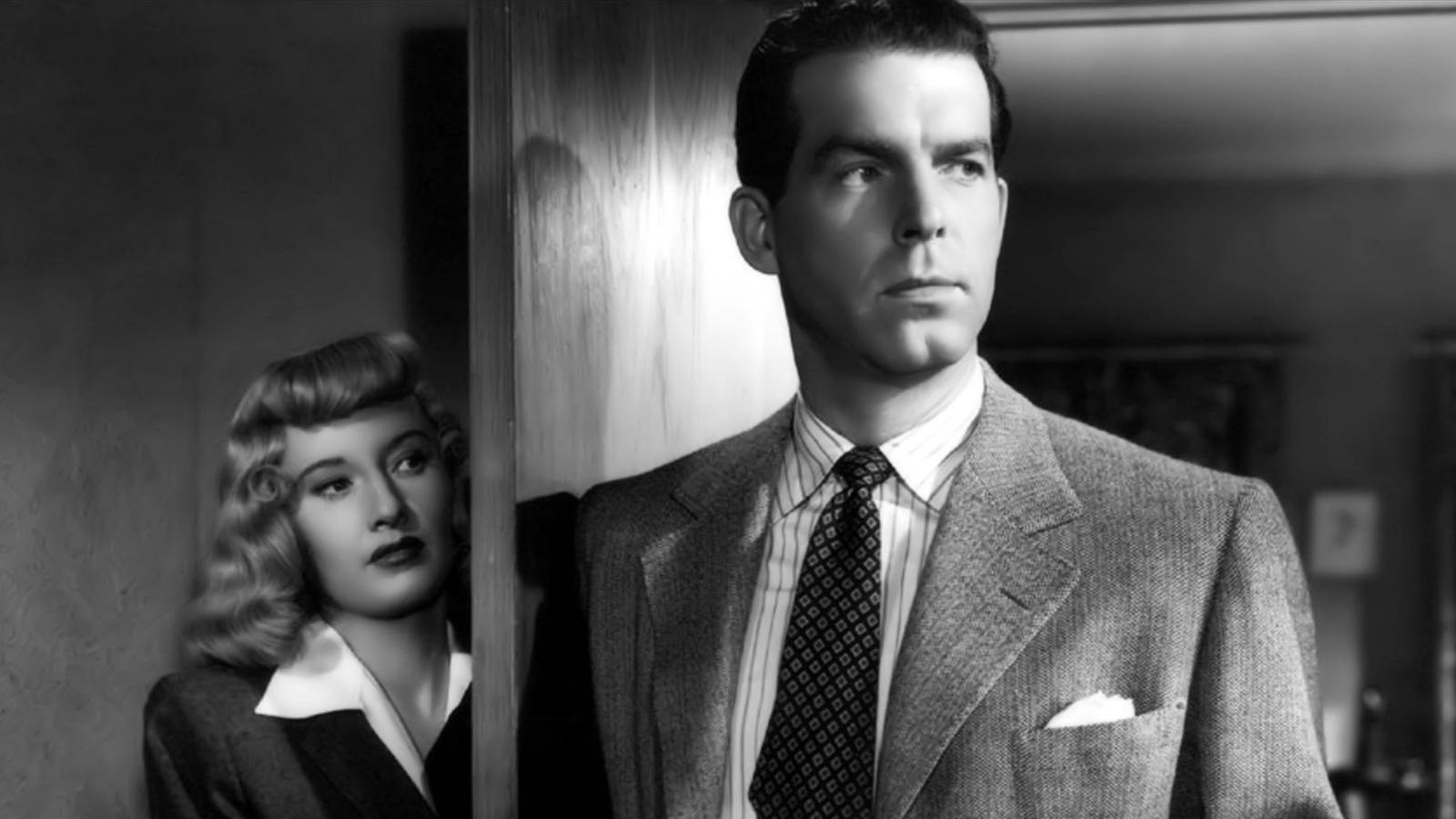
This chilling crime thriller presents murder through the detached eyes of its protagonist, played with terrifying authenticity by Michael Rooker. Unlike slasher films of its era, Henry offers a bleak, almost documentary-like look at random violence, making its brutality feel disturbingly mundane. The film's climax is particularly haunting, leaving audiences with a profound sense of despair that lingers long after the credits roll.
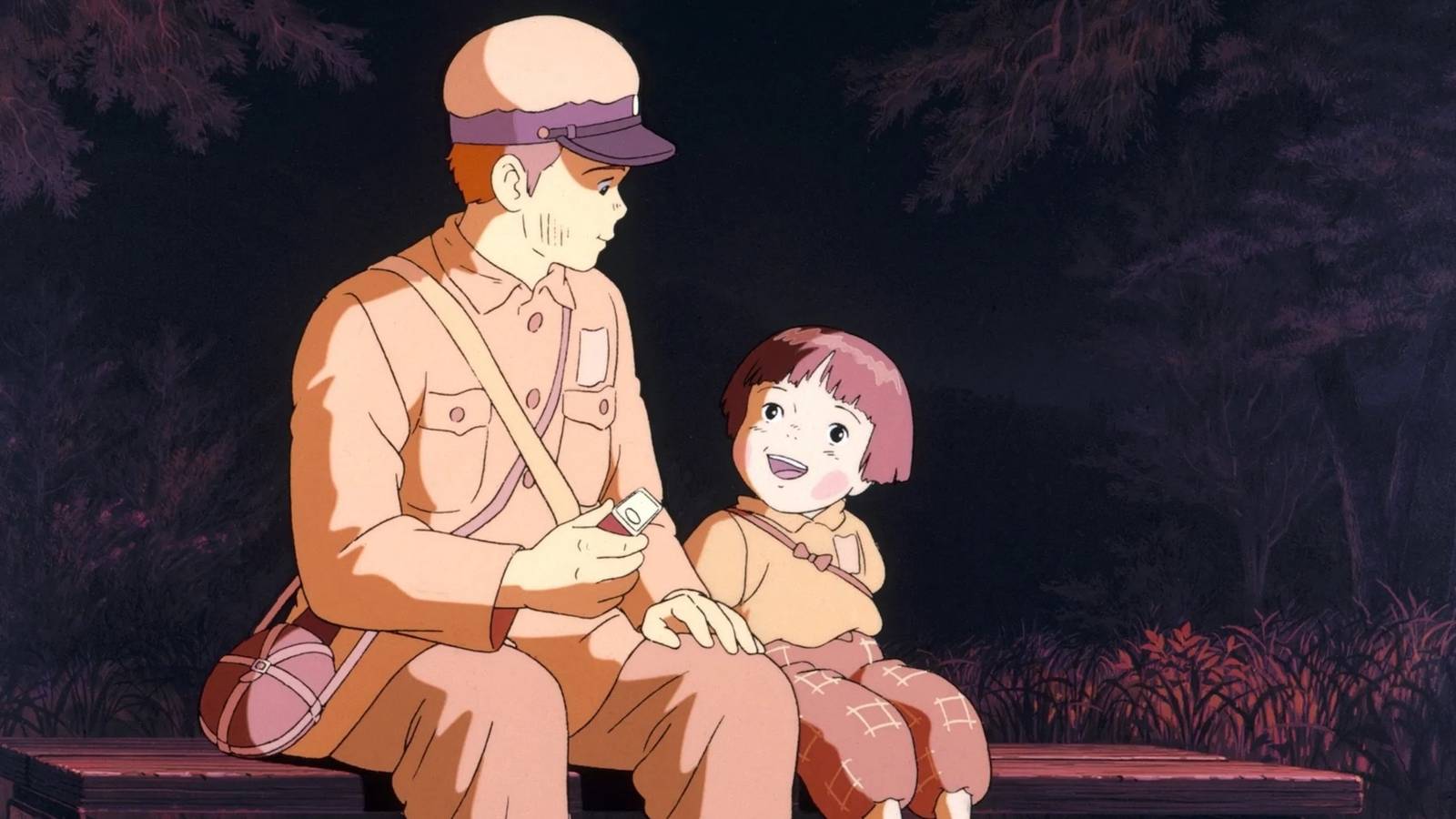
Grave of the Fireflies (1988)
Studio Ghibli is renowned for magical worlds, but Grave of the Fireflies offers a devastating alternative. This animated masterpiece follows two siblings struggling to survive in post-World War II Japan. Its unflinching portrayal of innocence lost to war's cruelty is emotionally devastating, proving that animation can deliver some of cinema's most profound heartbreaks. It's a beautiful, necessary film that many find too painful to watch twice.
These films represent just a portion of cinema's most challenging experiences. Others, like the psychologically brutal Requiem for a Dream or the nihilistic Salò, or the 120 Days of Sodom, could easily fill their own list of cinematic endurance tests.
Why subject yourself to such demanding viewing? Like climbing a mountain, the reward often lies in the accomplishment itself—and in the expanded understanding of what film can achieve. These movies confront difficult truths about humanity, society, and trauma in ways that comfortable entertainment cannot.
If you're looking for a different kind of cinematic challenge, consider exploring overlooked sci-fi films that reveal new depth with time. Or, for a thrilling but less harrowing experience, these action series deliver essential tension in every episode.
Ultimately, the films listed here are not about enjoyment in the traditional sense. They are about immersion, reflection, and sometimes, survival. They remind us that cinema's power isn't limited to escape—it can also be a mirror, however cracked and disturbing the reflection may be.