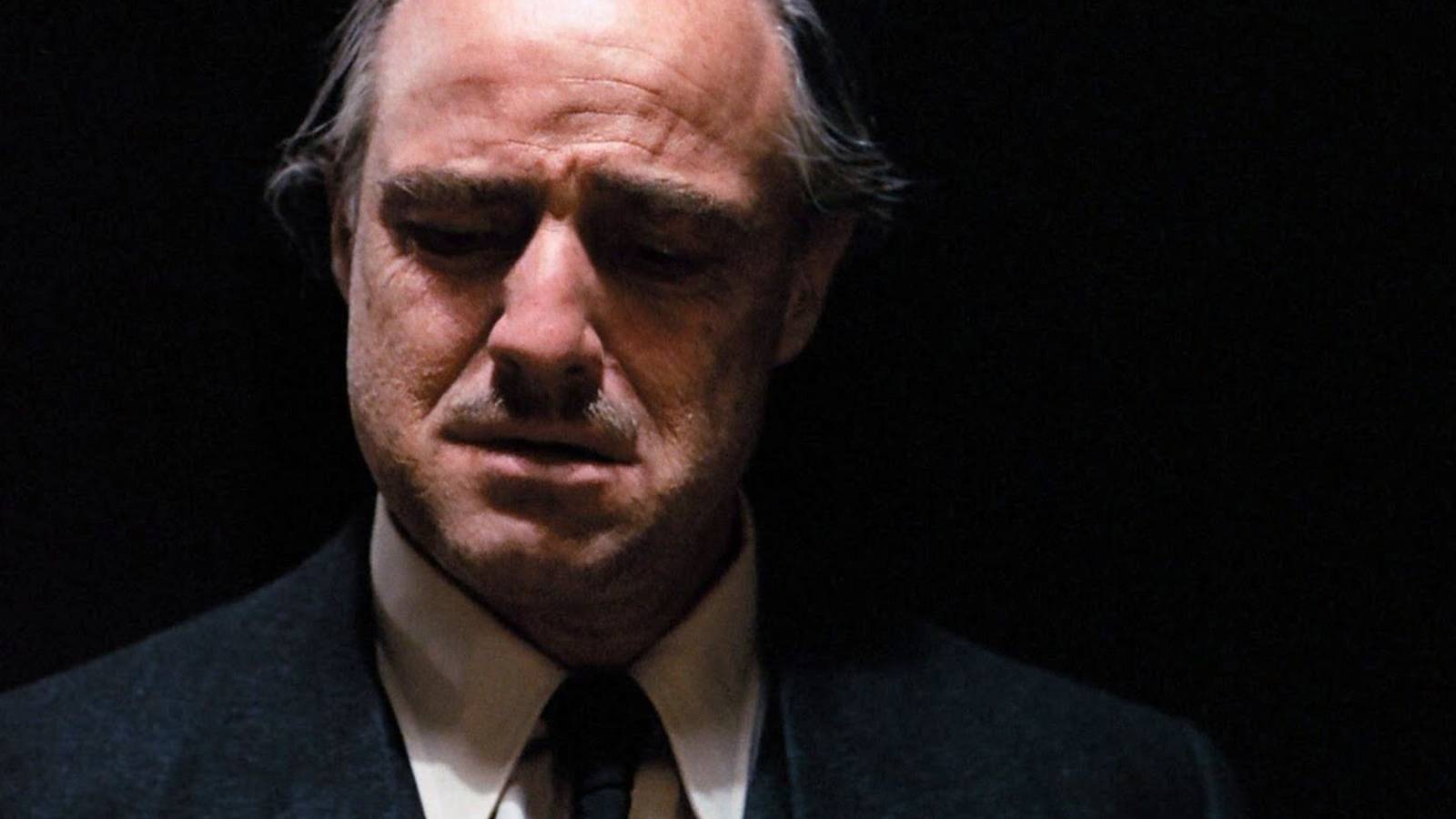
Francis Ford Coppola's The Godfather films are pillars of cinema, setting a towering benchmark for crime drama and character study. Yet, when judged as a complete three-part story, the saga stumbles with its final, flawed chapter. This opens the door for other trilogies—ones that maintain breathtaking quality across every installment—to claim the crown. We're spotlighting three such cinematic achievements that not only rival but arguably surpass the Corleone chronicles in thematic depth, emotional consistency, and sheer artistic triumph.
The 'Before' Trilogy: Romance, Realized
Richard Linklater's extraordinary Before trilogy, starring Ethan Hawke and Julie Delpy, captures a love story across decades with unparalleled authenticity. Beginning with the magical, fleeting encounter of Before Sunrise in Vienna, the series matures through the poignant reunion in Before Sunset and settles into the complex realities of long-term commitment in Before Midnight. Unlike many series that lose steam, this one deepens with each chapter, offering cinema's most truthful and evolving portrait of a relationship. It's a masterclass in dialogue, character, and the passage of time.
The Lord of the Rings: Fantasy's Unmatched Peak
Peter Jackson's adaptation of J.R.R. Tolkien's legendarium stands as a monumental achievement. From The Fellowship of the Ring to The Return of the King, the trilogy delivers epic scope, profound emotion, and groundbreaking filmmaking without a single weak link. It balances colossal battles with intimate moments of friendship and sacrifice, arguing that the smallest acts of kindness can change the world. As a complete narrative arc, it executes its grand vision flawlessly, a feat that makes it a prime candidate for the greatest trilogy ever made. For those looking to dive into another perfectly constructed saga, check out our list of epic movie trilogies made for a 48-hour marathon.
Three Colours: A Thematic Triumph
Krzysztof Kieślowski's Three Colours trilogy (Blue, White, Red) is a profound meditation on the ideals of liberty, equality, and fraternity. Each film is a standalone psychological drama—following characters grappling with grief, humiliation, and connection—yet together they form a cohesive, deeply moving exploration of the human condition. Celebrated for its insight and irony, the trilogy finds hope and revelation in brokenness, offering a cinematic experience that is both intellectually rigorous and emotionally resonant. It represents the pinnacle of thematic filmmaking.
What sets these trilogies apart is their unwavering excellence. While The Godfather's first two films are untouchable masterpieces, its third act falters. In contrast, the journeys through Middle-earth, across eighteen years with Jesse and Céline, and through Kieślowski's poignant themes are consistently brilliant from opening frame to closing credit. They prove that a trilogy's true power lies in sustaining its vision, something explored in our feature on trilogies where a single film stands alone as a masterpiece.
Ultimately, the debate over the "best" trilogy is a testament to cinema's richness. Whether you prefer the intimate talk of Linklater, the epic spectacle of Jackson, or the philosophical depth of Kieślowski, each of these trilogies offers a complete and perfect arc—a rare feat in film history that even the mighty Corleones couldn't fully achieve.