In the world of film trilogies, some achieve consistent greatness across all three chapters, while others deliver a unified journey despite occasional stumbles. Then there's a more fascinating category: franchises where one installment shines so brightly it completely eclipses its companions. These are the trilogies where a single film achieves masterpiece status, leaving the others as mere footnotes in its shadow.
This isn't about picking the best film in a series. It's about those rare cases where one movie reaches such artistic clarity that it feels like lightning captured in a bottle. The writing connects perfectly, the emotional beats land with precision, and the spectacle serves character rather than overwhelming it. Years later, when you revisit these trilogies, there's never any doubt about which chapter remains untouchable.
5. Jurassic Park (1993)
While The Lost World has its charms and Jurassic Park III delivers brisk entertainment, Steven Spielberg's original remains the franchise's only flawless achievement. It's not merely about having the best dinosaurs—it's about weaving awe and terror into the same cinematic fabric. From the breathtaking brachiosaurus reveal to the iconic T. rex attack, every moment serves both wonder and warning about humanity's arrogance.
The film's brilliance lies in its perfect structure and character work. Dr. Grant's protective instincts, Ian Malcolm's realization of systemic failure, and the park's illusion of control crumbling create genuine dread. When the raptors take over, the tension becomes almost unbearable. The sequels offer set pieces; the original offers a complete cinematic experience where spectacle, character, and theme fuse into something timeless.
4. Pirates of the Caribbean: The Curse of the Black Pearl (2003)
The Pirates sequels expanded the mythology with larger-scale adventures, but the first film remains the franchise's only perfectly balanced entry. The Curse of the Black Pearl masterfully blends swashbuckling adventure, supernatural mystery, witty comedy, and genuine romance without ever becoming tangled in its own lore.
Johnny Depp's Captain Jack Sparrow isn't just humorous—he's unpredictably chaotic, keeping every alliance unstable. Orlando Bloom's Will Turner provides heartfelt sincerity, while Keira Knightley's Elizabeth Swann delivers intelligence and courage. Geoffrey Rush's Barbossa serves as the secret weapon: his curse creates genuine pathos, making the moonlight skeleton reveal both thrilling and strangely melancholic. Later films grew bigger; this one got everything right.
3. Superman II (1980)
While Richard Donner's original Superman deserves immense respect for establishing the mythos, Superman II achieves something more profound: it makes the Man of Steel emotionally vulnerable. The film forces Clark Kent to confront human desires, as he surrenders his powers not for an abstract lesson, but for love and ordinary connection with Lois Lane.
This personal stake elevates the entire narrative before General Zod even arrives. When Terence Stamp's magnificent villain appears—arrogant, theatrical, and terrifyingly certain of his superiority—the conflict gains mythic weight. The film understands Superman's true drama: his godlike power constantly collides with the ordinary human life he can never fully have. This emotional core makes it a standout, much like how HBO's 'Watchmen' explores similar themes of power and humanity in the streaming era.
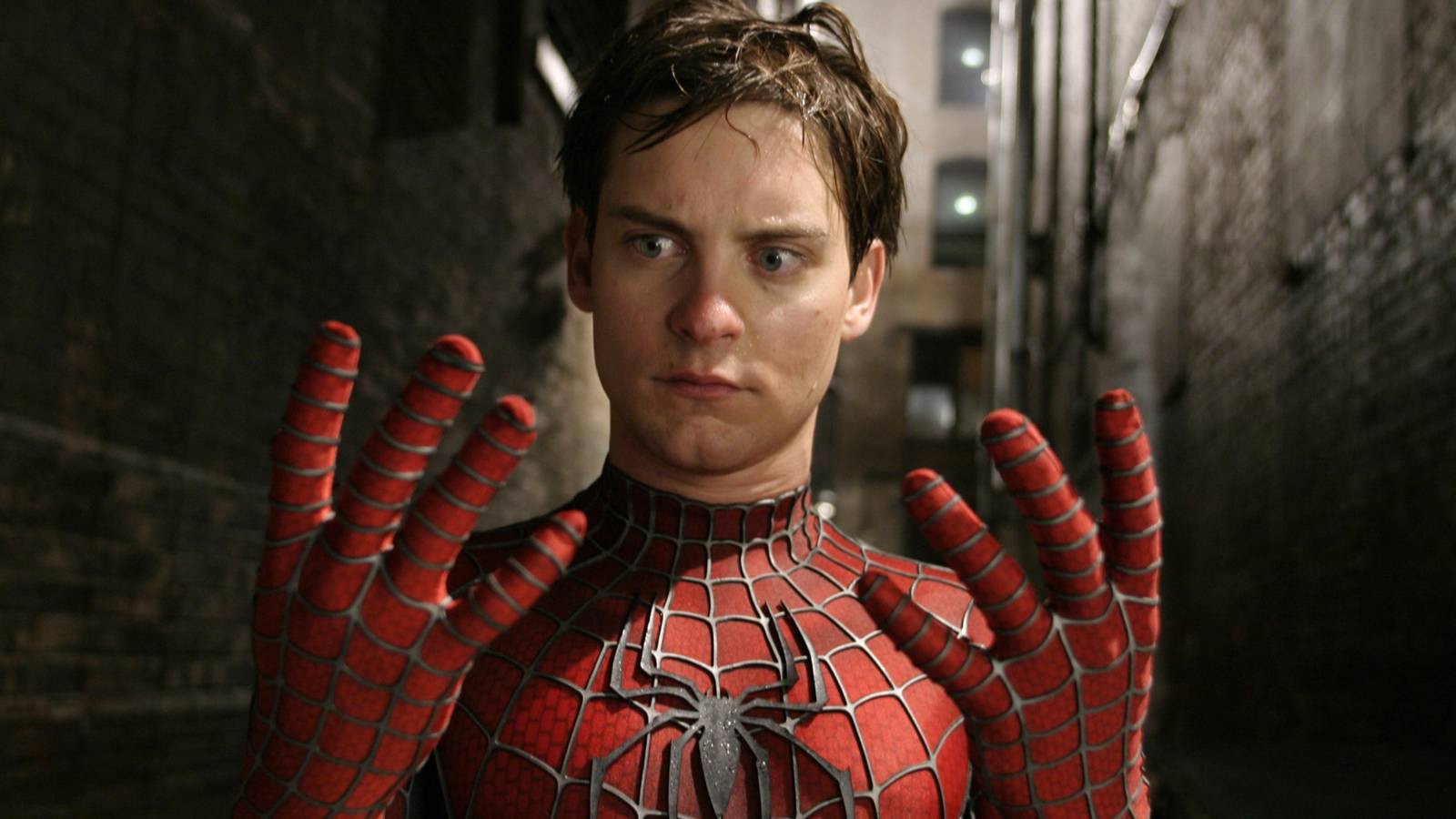
2. Spider-Man 2 (2004)
Sam Raimi's sequel stands as a superhero masterpiece because it understands Peter Parker better than almost any comic book adaptation. The entire film builds around relentless pressure: financial struggles, academic stress, failing relationships, and a body that betrays him as his spirit exhausts itself. This isn't a power fantasy—it's a portrait of a calling that systematically destroys the ordinary life Peter desperately wants.
Alfred Molina's Doctor Octopus serves as the perfect dramatic mirror: a brilliant man twisted by grief and catastrophe. Their conflict resonates because both characters grapple with ambition and responsibility. The legendary train sequence earns its status because the film has meticulously shown everything Peter sacrifices. Raimi's horror sensibilities, particularly in scenes like the hospital sequence, add another layer of tension, showcasing why his horror mastery translated so effectively to superhero cinema.
1. The Matrix (1999)
The Wachowskis' sequels expanded the philosophical scope with ambitious ideas, but the original Matrix remains the franchise's only perfect balance of elements. Mystery, action, world-building, paranoia, philosophy, and romance coexist without any overwhelming the others. Neo's journey from disaffected office worker to awakened savior represents one of science fiction's most compelling character arcs.
The supporting cast elevates every moment: Laurence Fishburne's Morpheus carries prophetic gravitas, Carrie-Anne Moss's Trinity embodies fierce faith, and Hugo Weaving's Agent Smith delivers chilling bureaucratic menace. From the lobby shootout to the subway confrontation, each action sequence advances character and theme. The film's exploration of reality and identity feels more relevant today than ever, cementing its status as a true cinematic landmark, similar to how 'Shōgun' has achieved masterpiece status in the streaming landscape.
These five films demonstrate that within even the most commercial franchises, singular artistic vision can create something enduring. They remind us that true cinematic magic happens when every element—character, theme, spectacle, and emotion—aligns into perfect harmony, creating works that continue to resonate long after their sequels have faded from memory.