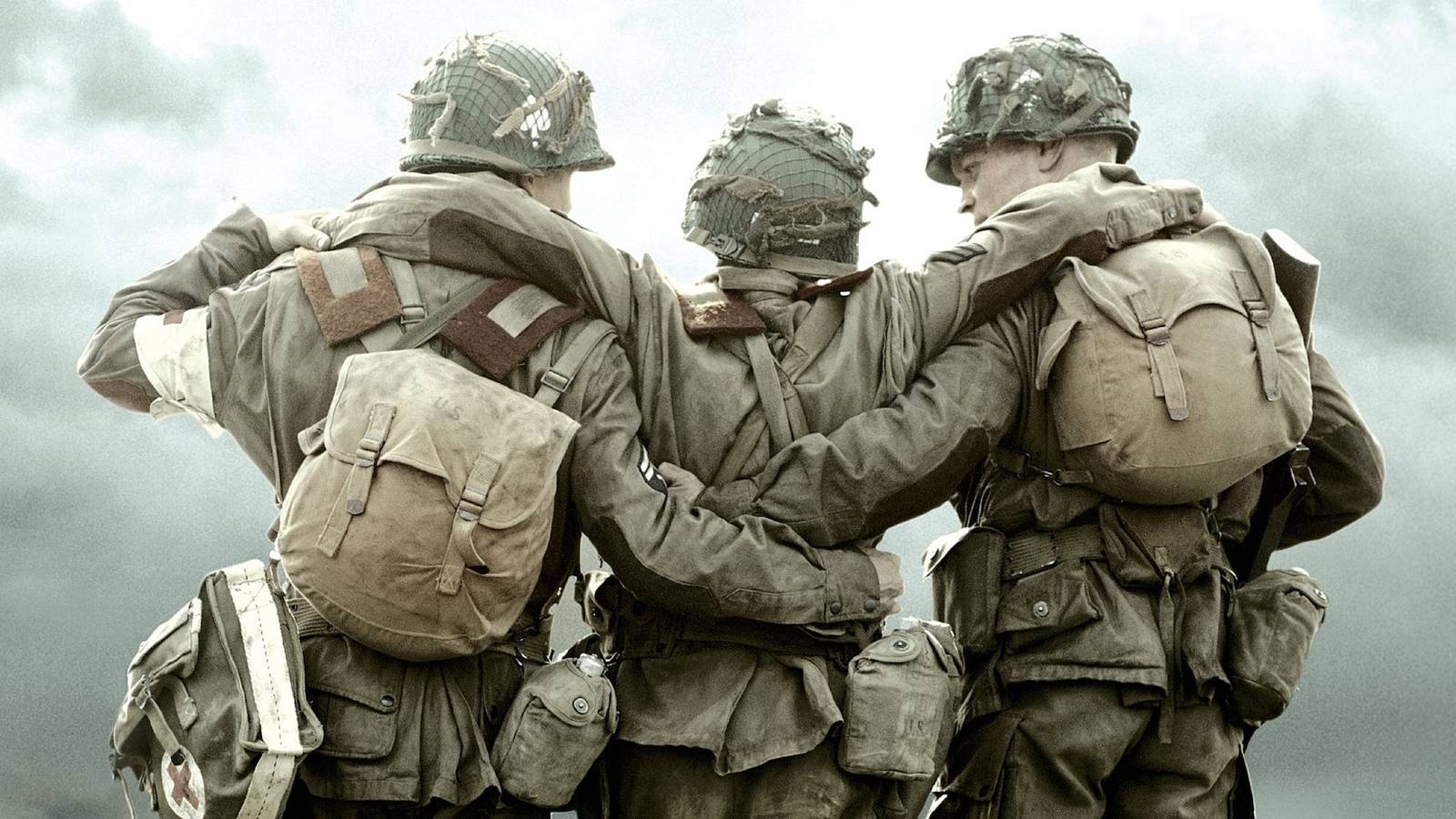
More than two decades after its debut, HBO's Band of Brothers still stands as a towering achievement in war storytelling. But among its ten episodes, one stands apart for its sheer emotional weight: the ninth chapter, titled 'Why We Fight.' While earlier installments deliver intense combat and personal sacrifice, this hour shifts focus to a different kind of horror—the discovery of a Nazi concentration camp. It's a sequence that remains almost unbearably difficult to revisit, even now.
The Build-Up to a Devastating Revelation
Much of 'Why We Fight' follows Captain Lewis Nixon (Ron Livingston) as he wanders through occupied Germany, numbly searching for his favorite whiskey while grappling with news of his wife's divorce. The men of Easy Company, meanwhile, find themselves in an eerie lull—too much time to think, too little action to distract them from the war's toll. Private David Webster (Eion Bailey) shouts at captured German soldiers, questioning why they were dragged halfway around the world. The episode captures a growing disillusionment, a sense that the purpose of it all has become blurred.

Then comes the moment that changes everything. A patrol stumbles upon the Kaufering concentration camp, and the screen fills with images of emaciated prisoners, skeletal figures barely alive behind barbed wire. The show doesn't flinch. Director David Frankel and writer John Orloff recreated the camp's conditions using historical photos and firsthand accounts, ensuring an unflinching accuracy that makes the scene all the more harrowing.
Facing the Unspeakable
What makes 'Why We Fight' so hard to watch isn't just the visual horror—it's the response of the soldiers. Major Dick Winters (Damian Lewis) is visibly stunned, struggling to process what he sees. Private Roy Cobb (Craig Heaney) is embraced by an elderly prisoner who weeps in his arms. And Private Joseph Liebgott (Ross McCall) is called in to translate for survivors, his voice cracking as he relays their testimony. The episode forces both the characters and the audience to confront the reality of the Holocaust—a truth that had been hidden in plain sight.
The episode also holds a mirror to the German civilians who claimed ignorance. Forced to help bury the dead, they can no longer look away. It's a powerful reminder that the war wasn't just about defeating an army, but about confronting a system of evil that relied on silence.
In the end, a title card notes that between 1942 and 1945, the Nazis killed over 6 million Jews and 5 million ethnic minorities—a statistic that lands with devastating weight. For fans of historical dramas that don't shy away from truth, this episode remains a benchmark.
Why It Still Resonates
Decades later, 'Why We Fight' endures as a testament to the power of television to bear witness. It answers the question posed by its title in the most brutal way possible: this is why they fought. And for viewers, it's a reminder that some stories, however hard to watch, must never be forgotten.