Two decades after its release, Spider-Man 2 remains celebrated not just for its superhero spectacle, but for a shocking detour into pure horror that showcases director Sam Raimi's unique vision. While the film delivers iconic web-swinging and emotional drama, one sequence stands apart: the terrifying hospital scene where Doctor Octopus is born.
A Master of Horror Invades the Superhero Genre
Long before he helmed the friendly neighborhood web-slinger's adventures, Sam Raimi cut his teeth on the groundbreaking Evil Dead series, films that redefined independent horror with their aggressive, participatory camera work and relentless tension. This background wasn't left behind when he entered the blockbuster arena. In Spider-Man 2, Raimi found the perfect moment to unleash his horror instincts, transforming a sterile operating room into a chamber of nightmares.

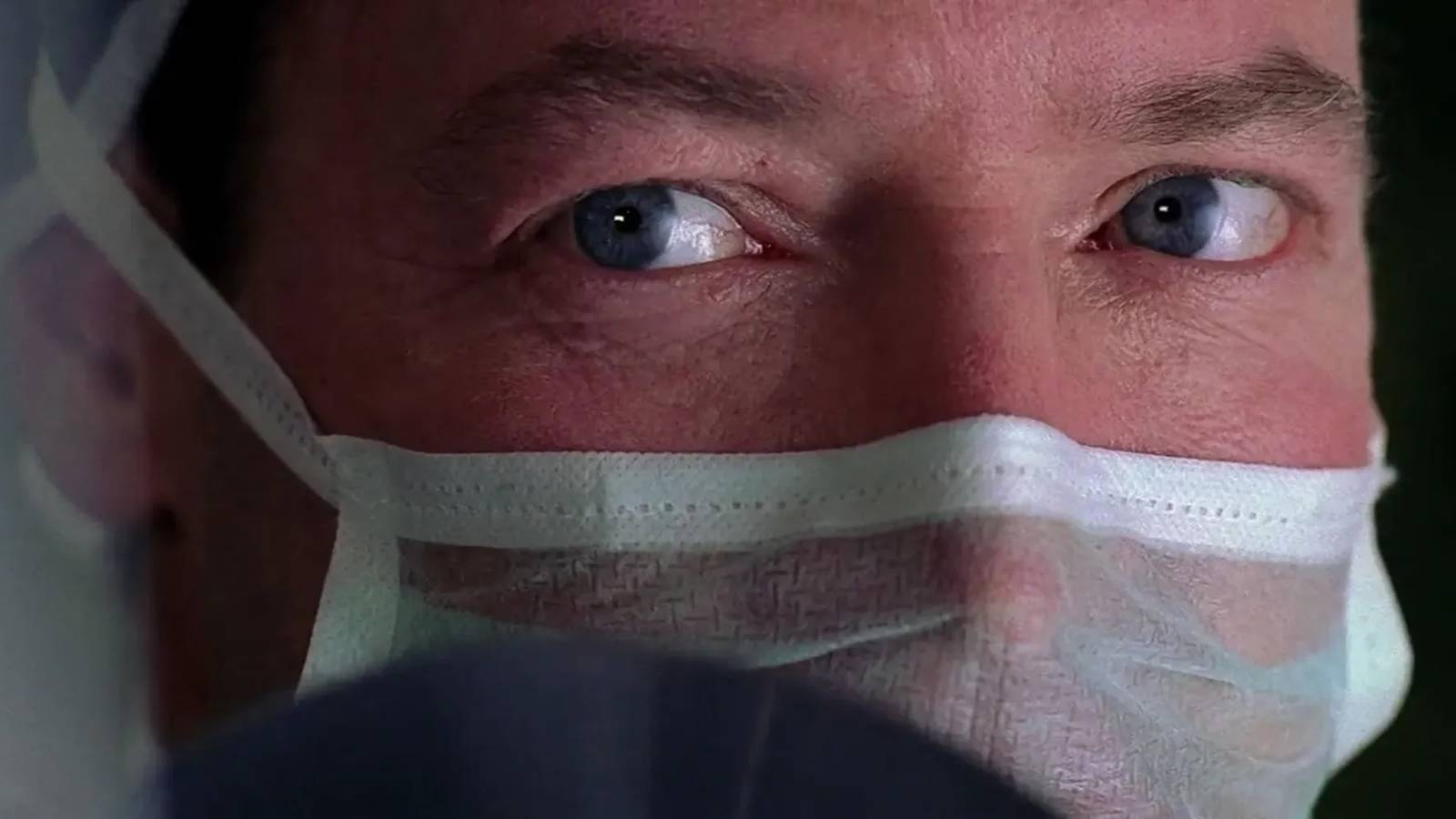
The scene begins with clinical precision as surgeons attempt to remove the mechanical arms fused to scientist Otto Octavius's spine. The mood shifts abruptly when the dormant arms twitch to life. Raimi abandons traditional superhero staging, employing stalking camera movements, stark shadows, and a deliberately slow build of dread. The clean, bright hospital becomes a claustrophobic trap, lit like a classic monster film. For several unforgettable minutes, the comic book movie vanishes, replaced by a contained horror film where the real monster is the technology meant to save a man.
A Creative Risk Modern Blockbusters Seldom Take
What makes this sequence so enduring is its uncompromising commitment to tone. Raimi doesn't undercut the horror with quips or quickly pivot back to safer action. He lets the discomfort linger, allowing the violence to feel shocking and consequential. This kind of sharp genre pivot within a major franchise film feels increasingly rare today. As shared cinematic universes prioritize tonal consistency and interconnected plotting, director-driven risks like this have become uncommon.
Even in Raimi's later MCU entry, Doctor Strange in the Multiverse of Madness, his horror touches were more integrated into the established house style. Spider-Man 2 belongs to an earlier era where superhero films more directly reflected their director's unique voice. This freedom resulted in a scene that feels authored—a filmmaker following a bold instinct rather than a franchise formula. It's a reminder of the power of singular vision, much like the daring narratives found in films that challenge audience perception.
Horror Rooted in Human Tragedy
The technical brilliance of the scene is amplified by its deep emotional foundation. This isn't horror for horror's sake; it's the visual representation of a profound character tragedy. Alfred Molina's Otto Octavius is introduced as a brilliant, hopeful mentor to Peter Parker. We see his idealism and his love for his wife, Rosalie. His downfall is not inevitable but heartbreaking.
By the time the hospital scene occurs, Otto has lost everything: his wife, his life's work, and his humanity. The mechanical arms, once symbols of progress, become a parasitic curse. Peter Parker's absence from the scene actually heightens its impact—Otto represents Peter's potential dark future, a genius consumed by his power. The sequence is terrifying because it is deeply sad, depicting the final, violent collapse of a good man. This focus on character-driven stakes is what separates memorable genre moments from mere spectacle, a quality also seen in stories like the complex family dynamics of 'Invincible'.
A Legacy of Directorial Bravery
Over twenty years later, the hospital scene in Spider-Man 2 remains a benchmark. It proves that within a crowd-pleasing blockbuster, there is room for genuine directorial expression and genre experimentation. Raimi demonstrated that superhero stories could comfortably—and powerfully—accommodate the pacing, visuals, and raw tension of a horror film when serving the character's journey.
The scene endures as a masterclass in suspense and a testament to what films can achieve when a distinctive creative voice is fully embraced. It stands alongside other directorial passion projects that defy easy categorization, much like the enduring cultural impact of works such as Pink Floyd's 'Dark Side of the Moon'. For audiences, it's a chilling reminder that sometimes the most frightening monsters aren't born in shadows, but in the ruins of shattered dreams.