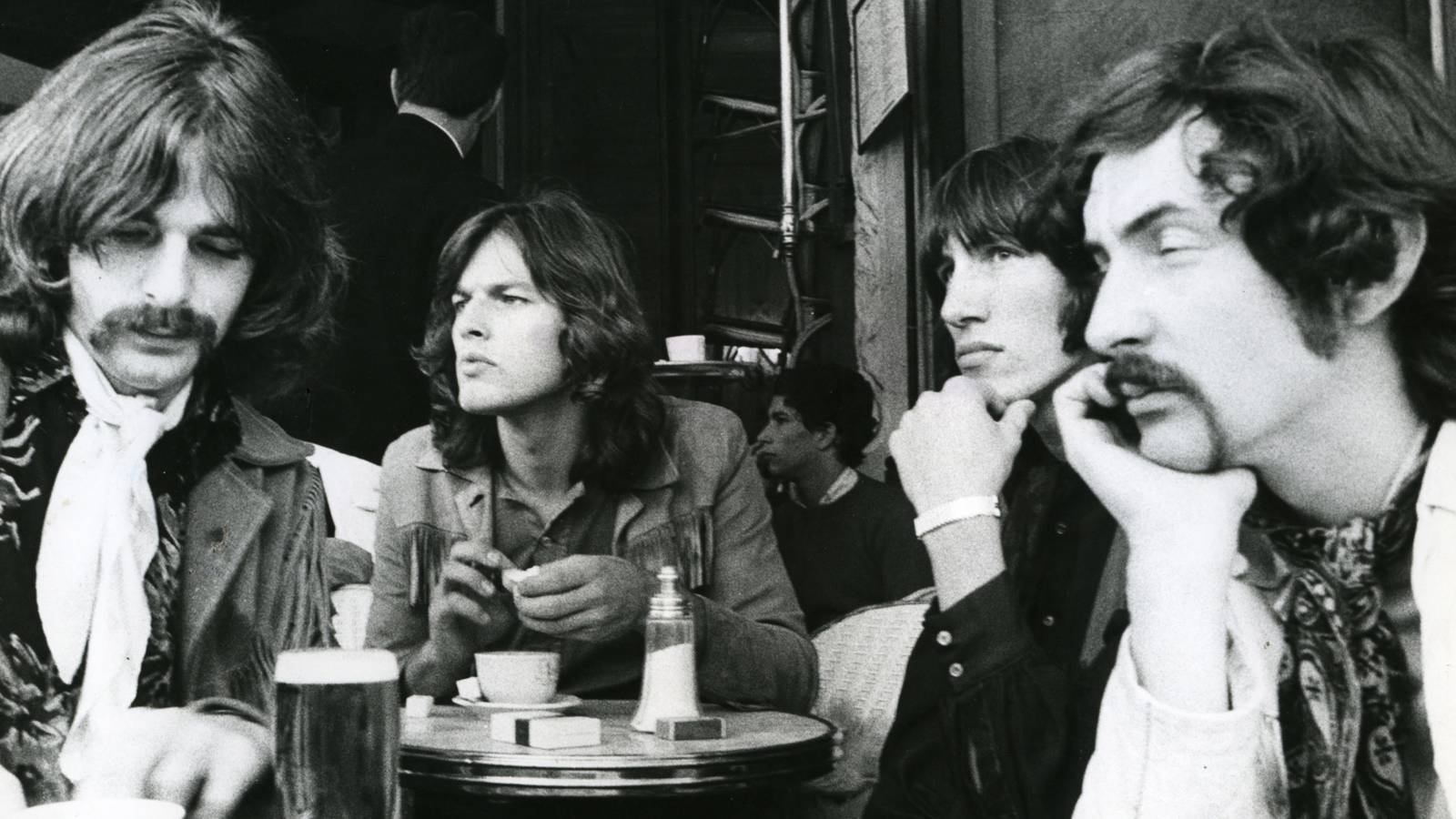
In 1973, Pink Floyd didn't just release an album—they launched a sonic revolution that continues to echo through the decades. 'The Dark Side of the Moon' transformed the landscape of popular music, trading conventional rock formulas for a profound exploration of life's biggest questions. This ambitious work tackled themes of mortality, greed, sanity, and the passage of time with an artistic bravery that redefined what commercial music could achieve.
The Enduring Power of a Conceptual Masterpiece
At its heart, 'The Dark Side of the Moon' functions as a complete auditory experience, weaving individual tracks into a cohesive narrative about the human condition. The album's conceptual depth was partly inspired by the band's experiences with former member Syd Barrett, whose struggles influenced their examination of mental health. This approach created something far greater than a collection of songs—it crafted an immersive world that listeners could enter and explore, much like the groundbreaking work on Steely Dan's definitive 1970s studio albums.

The album's themes remain strikingly relevant. 'Money,' with its iconic cash register sounds, critiques consumer culture with a prescience that feels tailored to today's attention economy. Ironically, this satirical track became one of the album's most commercially successful songs, receiving significant radio play and now ranking as its most-streamed track. Pink Floyd demonstrated that popular music could engage with complex, sometimes uncomfortable subjects while still achieving massive success.
A Sales Juggernaut That Defies Time
The commercial performance of 'The Dark Side of the Moon' is nothing short of legendary. While it only spent one week at Billboard's number one spot, it has accumulated nearly 1,000 nonconsecutive weeks in the Top 200—a record that positions it to become the first album ever to reach the 1,000-week milestone. With over 50 million copies sold worldwide and 14x platinum certification in the UK, it stands as not only Pink Floyd's best-selling release but also the top-selling album of the entire 1970s.
Remarkably, sales actually increased by 72% in 2025, more than half a century after the album's initial release. This resurgence is partly fueled by vinyl's comeback, with analog formats offering younger listeners a tangible connection to music history. For a generation raised on digital streaming, holding a physical record provides a sensory experience that digital files cannot replicate, allowing them to engage with the music as it was originally intended to be heard.
Connecting With New Generations
'The Dark Side of the Moon' continues to find fresh audiences through both analog revival and digital rediscovery. Tracks like 'Great Gig in the Sky' have recently gone viral on social media, often soundtracking videos about personal transformation or dramatic life changes. This demonstrates how the album's emotional core transcends its era, speaking to universal experiences that resonate regardless of when someone first encounters it.
The album's lasting appeal reflects a broader cultural appreciation for works that balance artistic ambition with emotional accessibility. Much like David Bowie's timeless anthem of reinvention, Pink Floyd's masterpiece proves that art dealing with fundamental human concerns never truly becomes dated. Its themes of anxiety, mortality, and societal pressure feel as immediate today as they did in the 1970s.
This enduring relevance showcases why certain creations become cultural touchstones. 'The Dark Side of the Moon' joins other works that maintain their power across decades, similar to how fantasy TV classics feel fresher than ever when rediscovered by new viewers. The album doesn't simply survive through nostalgia—it evolves, finding new meaning with each generation that discovers its layered depths.
More than fifty years after its release, 'The Dark Side of the Moon' stands as a testament to artistic vision that refuses to be confined by its era. Its continued commercial success and cultural relevance prove that when music genuinely engages with the human experience, it can achieve a form of immortality. As new listeners continue to discover its haunting beauty and philosophical depth, Pink Floyd's masterpiece seems destined to keep spinning for generations to come.