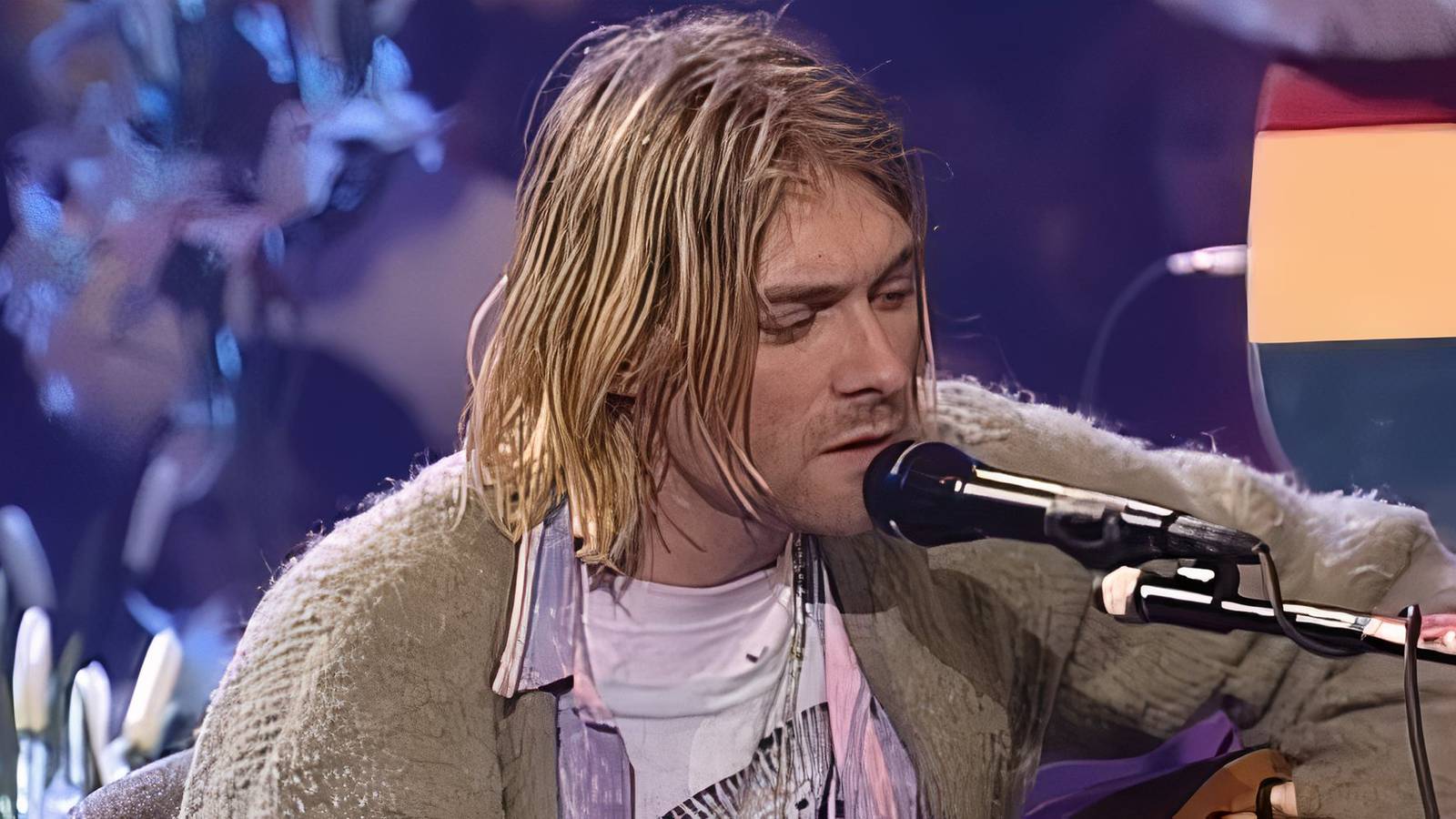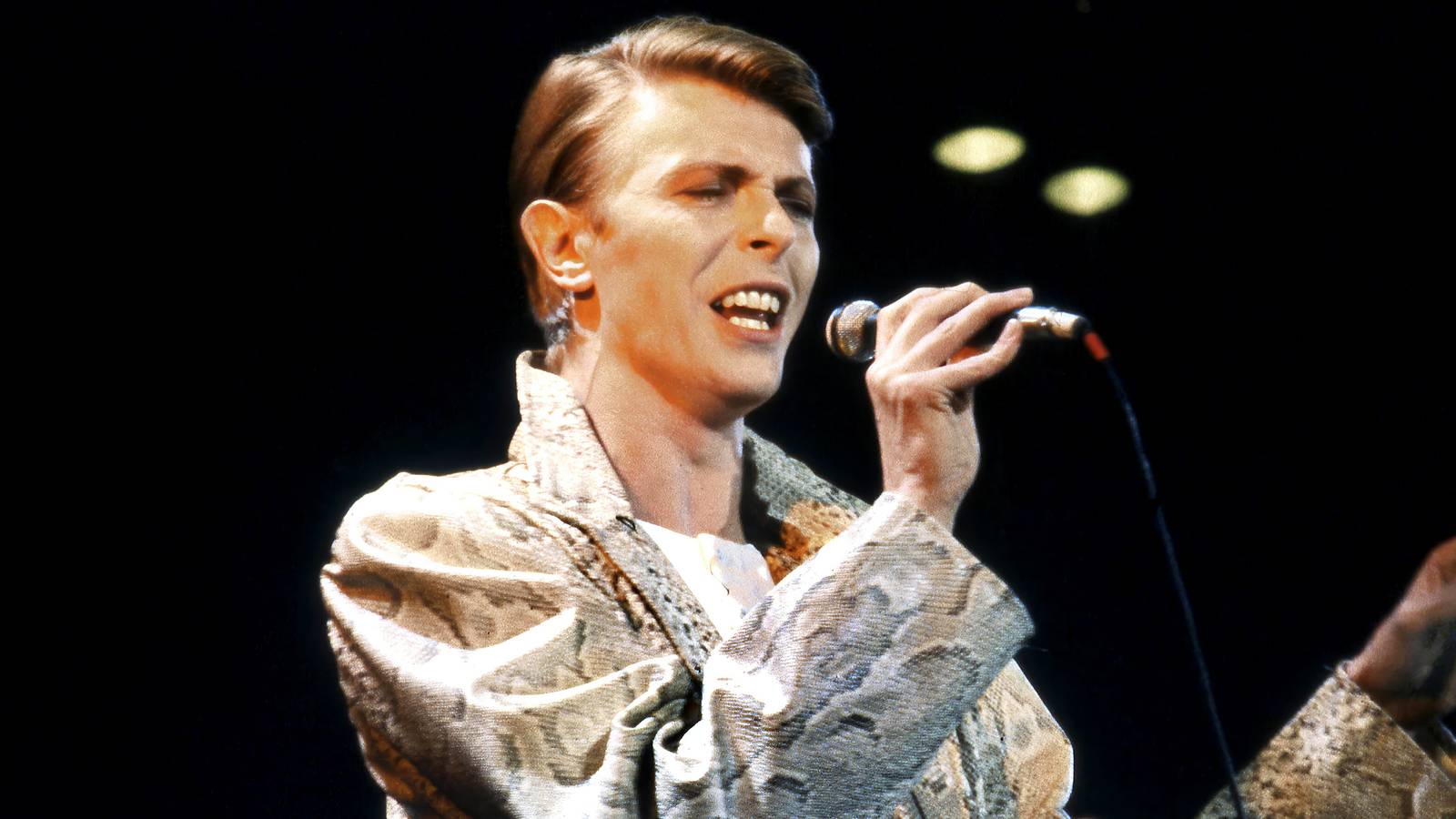
David Bowie, the chameleon of rock, had a knack for reinvention. In the early 1980s, after a decade of genre-hopping from glam rock to art pop, he set his sights on a more commercial sound. The result was Let's Dance, his best-selling album, which sold over 10 million copies. But the album's secret weapon wasn't just producer Nile Rodgers—it was a fiery, unknown guitarist from Texas named Stevie Ray Vaughan.
Bowie's career was defined by bold shifts. From Ziggy Stardust to the Berlin Trilogy, he always sought fresh collaborators. For Let's Dance, he wanted a dance-rock record with new wave flair. He hired Nile Rodgers, the Chic guitarist known for funky grooves, to co-produce. But the missing piece was a guitarist who could add raw, bluesy soul to the polished pop.

That missing piece appeared at the Montreux Jazz Festival in July 1982. Bowie was in the audience when a young Stevie Ray Vaughan, then a club player with no album to his name, tore through a set with his band Double Trouble. Bowie was captivated by Vaughan's emotional, blistering guitar work. He invited Vaughan to New York for a studio session later that year.
Vaughan's Texas blues riffs became the heart of Let's Dance. He played on five tracks: the title track, "China Girl," "Modern Love," "Cat People (Putting Out the Fire)," and "Without You." His searing solos cut through Rodgers' tight rhythm guitar, creating a sound that was both danceable and gritty. The title track hit No. 1 on the Billboard Hot 100, and the album turned Vaughan into an international star before he even released his debut, Texas Flood, in July 1983.
Vaughan was originally set to join Bowie's Serious Moonlight tour, but contract disputes and management conflicts led him to leave rehearsals. Longtime Bowie guitarist Earl Slick stepped in. In hindsight, it was a smart move for Vaughan, who focused on his own career with Double Trouble. He went on to become a blues-rock legend, though his life was tragically cut short in a 1990 helicopter crash.
The collaboration was a lightning-in-a-bottle moment. Bowie's pop sensibility and Vaughan's raw talent created timeless songs that still fill dance floors. For fans of music history, it's a reminder of how chance encounters can shape rock's greatest moments. And for those who love a good discovery story, it's a tale that never gets old.
If you're fascinated by legendary collaborations, check out our piece on David Fincher's 'Se7en' Dominates Streaming or David Boreanaz Revs Up 'The Rockford Files' Reboot. And for more on iconic artists, see Hulu's 'Rivals' Season 2 Nabs Perfect Rotten Tomatoes Score.