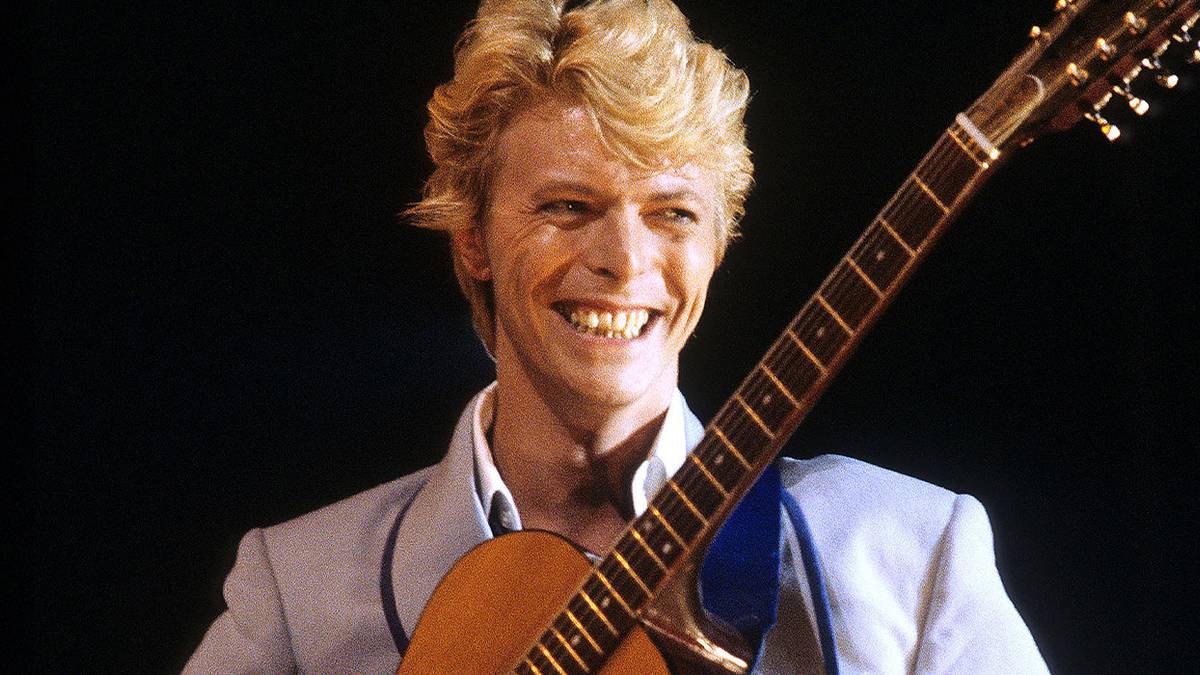
David Bowie's legacy is built on transformation. Throughout his decades-long career, he never settled, constantly shedding skins and adopting new personas to explore the frontiers of music, identity, and culture. While many hits define specific eras, one song stands above as the Rosetta Stone for understanding his entire artistic journey: the 1971 classic "Changes."
The Persona as a Canvas
Bowie didn't just change his sound; he changed his entire being. From the space-bound alienation of Major Tom to the androgynous rock messiah Ziggy Stardust and the chilling Thin White Duke, each character was a deliberate vessel. They allowed him to dissect fame's isolation, critique celebrity narcissism, and challenge rigid norms of sexuality and identity long before such conversations entered the mainstream. These weren't mere costumes but extensions of a fearless artist using theatricality to reveal deeper truths about himself and society.

As he matured, the lines between persona and person blurred, culminating in a period of stripped-back introspection during his late-70s "Berlin Trilogy." Yet, even in his final act on 2016's Blackstar, he returned to the method with the Blind Prophet, proving he had mastered the art of expressing his core self through invented characters.
The Song That Defined a Philosophy
Released on the album Hunky Dory, "Changes" initially faltered as a single. But its message—that certainty is an illusion and reinvention is essential—resonated louder as Bowie's career unfolded. The lyrics serve as a manifesto: "Every time I thought I'd got it made / It seemed the taste was not so sweet." He sings of turning to face himself, never catching a full glimpse, always staying "much too fast" for any fixed label. It was a stunning admission of perpetual flux and a rejection of ever being pinned down.
Musically, the track mirrors this philosophy. Gentle piano and strings give way to a chorus bursting with possibility, while a descending bassline suggests life's cyclical nature. It wasn't just a song; it was the blueprint. The track's radical vulnerability, letting the audience in on the artifice of his art, was a genius stroke that built unparalleled connection.
A Legacy That Still Resonates
Over fifty years later, "Changes" remains powerfully relevant. It transcends its era to speak to anyone navigating a world in constant motion. Bowie understood that to be static was to be left behind, both personally and artistically. The song argues that our only true constant is change itself, a lesson he lived relentlessly.
Bowie's career of transformation finds echoes in today's artists who reinvent their sound and image. For a look at another actor's dramatic career pivot, check out Vince Vaughn's Brutal Transformation. Meanwhile, the theme of constructed personas continues to fascinate in modern television, as seen in the political intrigue of Prime Video's 'House of David'.
Ultimately, "Changes" is more than a classic rock staple. It is the key to understanding David Bowie. It captures the restless spirit, the creative courage, and the profound acceptance of life's impermanence that made him not just a star, but a legend whose influence, much like change itself, is forever unfolding.