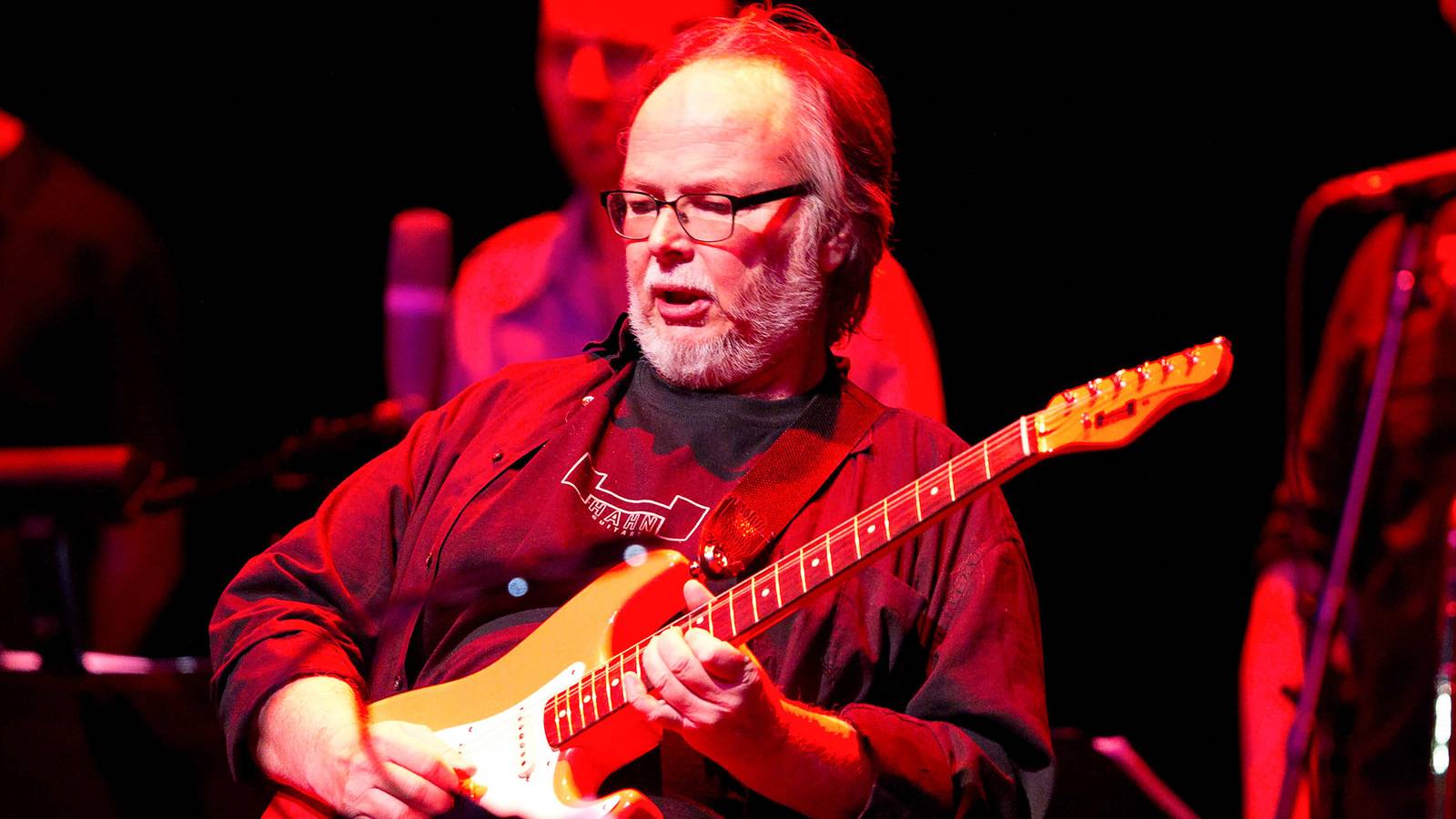
Few bands in music history have cultivated a sound as distinctive and meticulously crafted as Steely Dan. The duo of Donald Fagen and the late Walter Becker fused jazz sophistication with rock accessibility, creating a catalog of studio-perfect albums that defined an era. Named after a bizarre device from William S. Burroughs's novel Naked Lunch, the group achieved massive commercial success while building a devoted cult following, selling over 40 million records worldwide and earning a Rock and Roll Hall of Fame induction in 2001. Their 1970s output represents a golden age of sophisticated songwriting. Here, we rank every studio album from that decade, judging them on their musical innovation, lyrical wit, and enduring legacy.
6. 'Can't Buy a Thrill' (1972)
The debut that started it all, Can't Buy a Thrill, introduced the world to Steely Dan's eclectic blend of rock, pop, and jazz. Notably, the album featured three different lead vocalists: Donald Fagen, David Palmer, and drummer Jim Hodder. Palmer took the mic on the hit "Dirty Work," while Fagen delivered the now-classic "Do It Again" and "Reelin' in the Years." The twin-guitar attack of Denny Dias and Jeff "Skunk" Baxter provided the instrumental backbone, with Dias even employing a rented electric sitar for the iconic solo on "Do It Again." The album immediately established Becker and Fagen as a formidable songwriting team, proving that complex, jazz-influenced music could achieve mainstream chart success.

5. 'Countdown to Ecstasy' (1973)
For their sophomore effort, the core band remained intact, but Becker and Fagen began expanding their sonic palette by bringing in outside musicians like guitarist Rick Derringer. The album produced enduring fan favorites like the fiery "Bodhisattva" and the witty "My Old School," the latter inspired by a real-life drug bust during their college days. While not as commercially explosive as their debut at the time, Countdown to Ecstasy has grown in stature, cherished for deep cuts like "The Boston Rag." It captures the sound of a tight band hitting its stride, a groove they would soon trade for deeper studio experimentation.
4. 'Katy Lied' (1975)
This album marked a significant leap in studio craftsmanship. Katy Lied is a who's who of session greats, featuring guitar work from legends like Larry Carlton (in his first collaboration with the band) and Rick Derringer, who delivered the blistering solo on "Chain Lightning." Walter Becker stepped up with guitar solos on "Black Friday" and "Bad Sneakers," while the legendary Michael McDonald provided unmistakable backing vocals. Lyrically, Fagen and Becker sharpened their cynical, narrative style on tracks like the ominous "Black Friday" and the deceptively cheerful "Everyone's Gone to the Movies." The album's clean, precise sound pointed directly toward the pristine production of their later masterworks.
3. 'Pretzel Logic' (1974)
Pretzel Logic represents a pivotal turning point. It was the last album Steely Dan would tour behind for decades, as Becker and Fagen committed fully to life as studio auteurs. It features their highest-charting single, "Rikki Don't Lose That Number," which peaked at #4 on the Billboard Hot 100. The album showcases their incredible range, from the blues shuffle of the title track and the California-inspired "Any Major Dude Will Tell You" to a cover of Duke Ellington's "East St. Louis Toodle-Oo." It was also the final album to feature original members Jeff "Skunk" Baxter and Jim Hodder, closing one chapter as the duo embarked on their quest for sonic perfection. For fans of intricate storytelling in music, this album is a cornerstone, much like the complex narratives found in mind-bending thrillers that keep you guessing.
2. 'The Royal Scam' (1976)
Often regarded as their darkest and most guitar-heavy album, The Royal Scam is a tour de force of narrative songwriting and virtuosic playing. Tracks like "Kid Charlemagne," a thinly-veiled tale about 1960s psychedelic chemist Owsley Stanley, and "Don't Take Me Alive" are packed with vivid characters and seedy scenarios. The guitar work, particularly from Larry Carlton, is nothing short of spectacular, weaving complex solos into the fabric of each song. The album feels like a cohesive, cinematic world, exploring themes of desperation and failed dreams with a biting, ironic edge. It's a dense, rewarding listen that captures the duo at the peak of their creative powers before reaching for an even higher plane of polish.
1. 'Aja' (1977)
The undisputed masterpiece. Aja is the pinnacle of Steely Dan's studio perfectionism, a seamless fusion of jazz, rock, and pop that sounds utterly timeless. From the hypnotic groove of "Black Cow" and the sleek sophistication of "Deacon Blues" to the pop perfection of "Peg," every note is meticulously placed. The roster of session musicians reads like a hall of fame list, featuring legendary solos from players like saxophonist Wayne Shorter on the title track. The production is immaculate, creating a rich, deep soundscape that remains a benchmark for audio engineering. Aja is more than an album; it's a statement of artistic intent, proving that popular music could achieve a level of compositional and technical brilliance previously reserved for jazz. Its legacy is as enduring as the classics from other genres, similar to how the best detective shows redefine their format with flawless execution.
Steely Dan's journey through the 1970s is a fascinating evolution from a clever rock band to studio-bound sonic architects. Each album built upon the last, refining their sound and sharpening their lyrical wit. While debates over rankings will always rage among fans, the consistent quality and innovation across these six records cement the duo's legacy as one of the most unique and influential forces in modern music history.