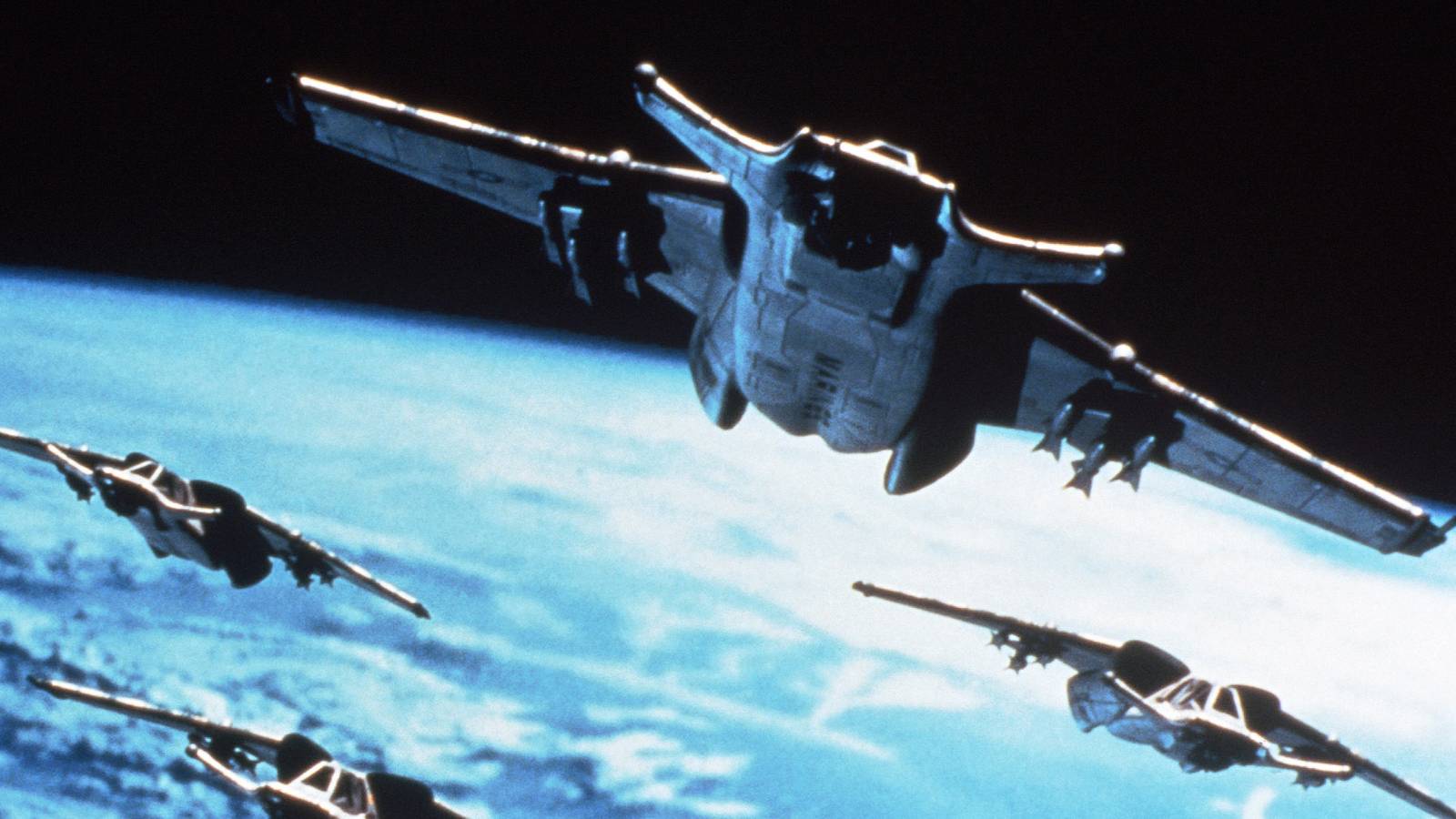
When you think of epic space battles, your mind probably jumps to the iconic dogfights of Star Wars. But there's a lesser-known gem from the '90s that took a radically different approach to interstellar conflict, and it might just be the superior series. Space: Above and Beyond, created by Glen Morgan and James Wong, is a masterclass in space warfare that dares to ask deeper questions about humanity, prejudice, and survival.
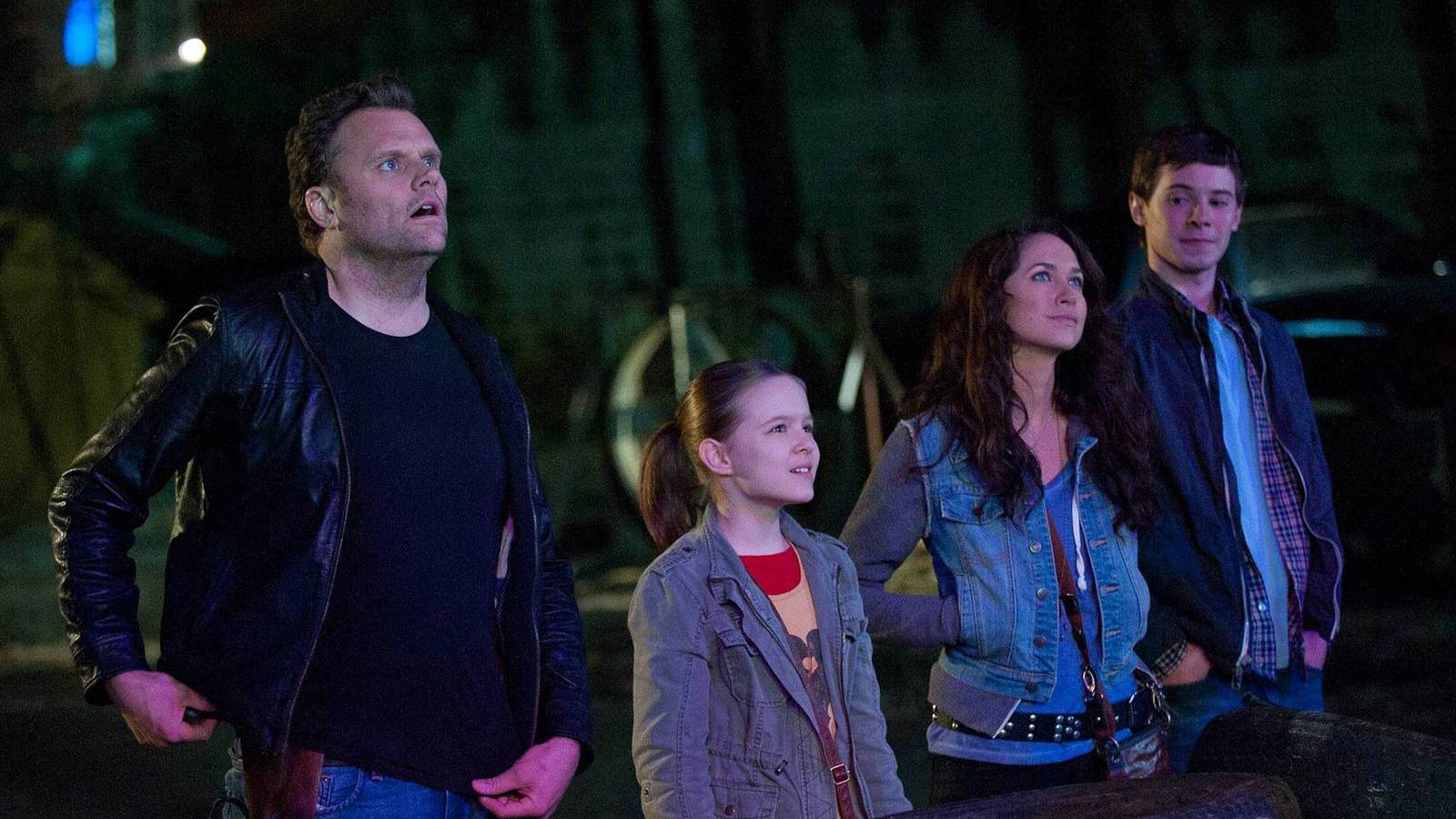
At first glance, the premise sounds familiar: a ragtag group of pilots fights against a powerful alien empire. But Space: Above and Beyond quickly shatters expectations. Humanity isn't the dominant force; the alien Chigs possess faster-than-light travel, leaving Earth's forces scrambling through wormholes. The series follows the untested squadron known as the "Wild Cards," who become humanity's last hope.
Breaking the Rules of Space Warfare
This show ripped up the rulebook of sci-fi storytelling. Instead of a triumphant human fleet, we see a desperate, losing battle. The Wild Cards include In Vitros—genetically engineered soldiers—and face threats from both the Chigs and the Silicates, androids that rebelled in a previous war. One of the most memorable characters, Cooper Hawkes (Rodney Rowland), is an In Vitro struggling for acceptance, while their commander T. C. McQueen (James Morrison) is a veteran of the AI Wars.
The Silicates aren't just mindless machines; they're obsessed with chance, once deciding the fate of a colony with a coin flip—a far cry from the replicants of Blade Runner. And in a stunning twist, the Chigs surrender in the finale, revealing they attacked Earth only because of a greedy billionaire's actions. It's a plot twist that redefines the entire conflict.
A Short Life, a Lasting Legacy
Sadly, Space: Above and Beyond was canceled after just one season, ending on a brutal cliffhanger. Its fate mirrors that of other Fox sci-fi casualties like Firefly—poor promotion and terrible scheduling doomed a groundbreaking show. Yet its impact endures. Alongside Babylon 5, it pioneered the season-long story arc, a staple of modern TV. Morgan and Wong went on to create the Final Destination franchise, while director David Nutter helmed pilots for Smallville and Supernatural.
If you're a fan of forgotten action gems, this series is a must-watch. It's a reminder that sometimes the best space warfare isn't about flashy lightsabers or epic space battles—it's about the human cost of war.
For more hidden treasures from the '90s, check out our list of 90s Cult Classics Ranked. And if you're in the mood for other sci-fi war stories, don't miss Why Netflix's 'Starship Troopers' Is a Sci-Fi War Classic.