When True Detective first hit HBO in 2014, it felt like nothing else on television. A brooding, philosophical crime saga that jumped across decades, it was an instant classic. But few fans realize that creator Nic Pizzolatto originally conceived the show not as an anthology, but as a direct follow-up to his 2010 crime novel Galveston. That literary DNA is still visible in every season, and it's a big reason the series stands apart from typical TV procedurals.
Pizzolatto had already made his mark as a novelist with the short story collection Between Here and the Yellow Sea before Galveston arrived. That novel, filled with damaged antiheroes and existential dread, was the perfect seed for what would become True Detective. He initially pitched the show as an adaptation of Galveston, but as he developed the story, it outgrew the bounds of a single book. The shifting timelines and multiple perspectives demanded a larger canvas—something television could provide.
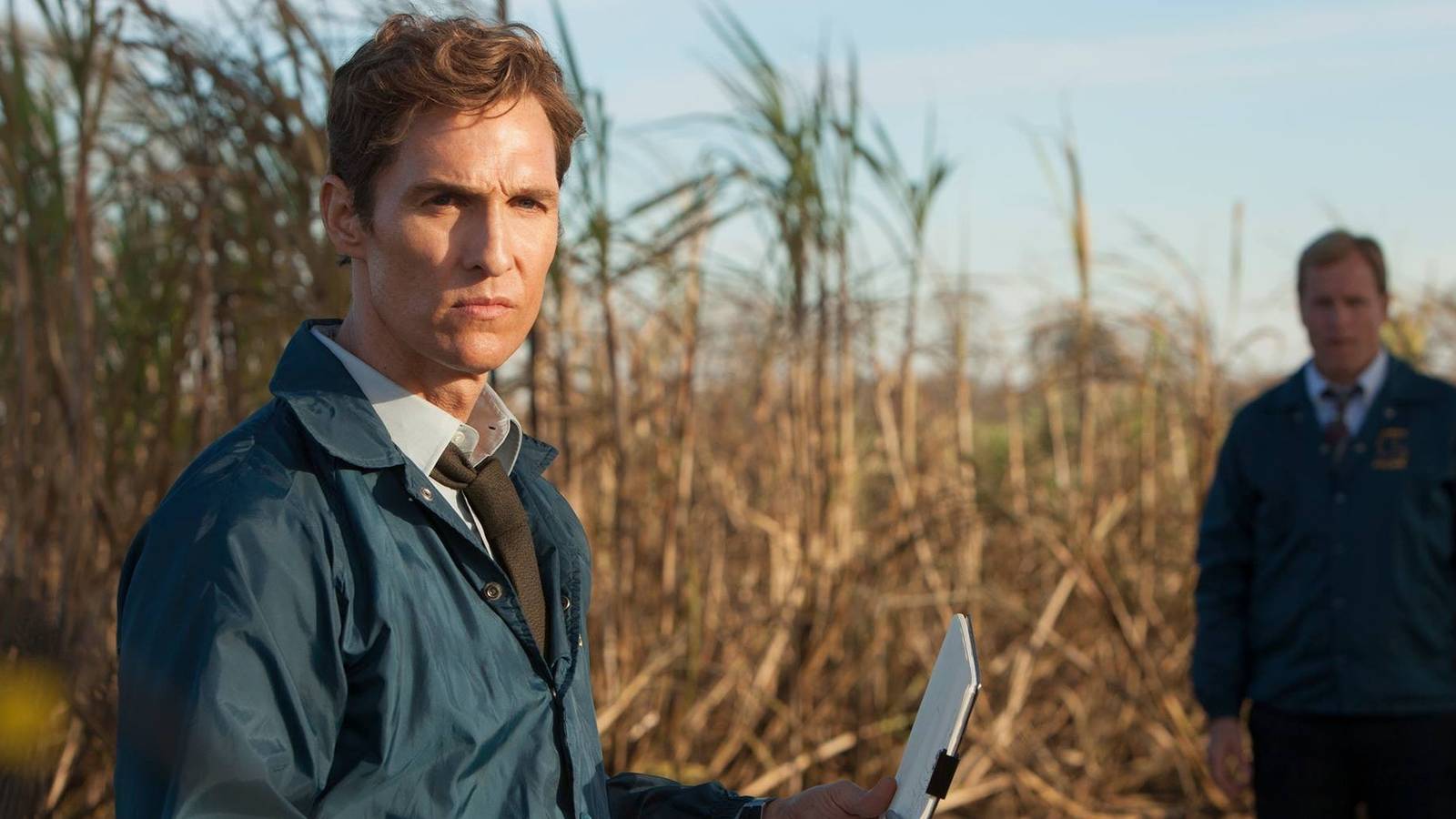
In 2012, HBO ordered an eight-episode first season, and Pizzolatto wrote a massive 500-page script, more like a novel than a TV series. That unconventional approach paid off, giving us the unforgettable duo of Rust Cohle (Matthew McConaughey) and Marty Hart (Woody Harrelson). Their relationship, built on years of resentment and reluctant loyalty, unfolds like literary fiction rather than standard TV drama. The non-linear structure, jumping between 1995, 2002, and 2012, mirrors the experience of reading a dense, ambitious novel.
Ironically, abandoning the original novel idea may have been the best creative decision. By turning True Detective into an anthology, each season could function as its own self-contained story, exploring new detectives, settings, and themes. Season 4, helmed by new showrunner Issa López, continued that tradition, proving the format's longevity. The series has now run for four seasons, with a fifth on the way, and it remains one of HBO's defining dramas.
For fans of crime fiction, the connection to Galveston is a fascinating footnote. The novel itself was later adapted into a 2018 film starring Elle Fanning, but its true legacy lives on in True Detective. If you're hungry for more literary crime, check out our list of the greatest thrillers since 1990 or dive into the best western novels ever written. And for a deeper look at how TV adaptations can transform source material, see how Justified reworked Elmore Leonard's final novel.
Ultimately, True Detective is a testament to the power of literary storytelling in television. Pizzolatto's original vision may have evolved, but the series still carries the soul of a great crime novel—one that keeps viewers hooked season after season.