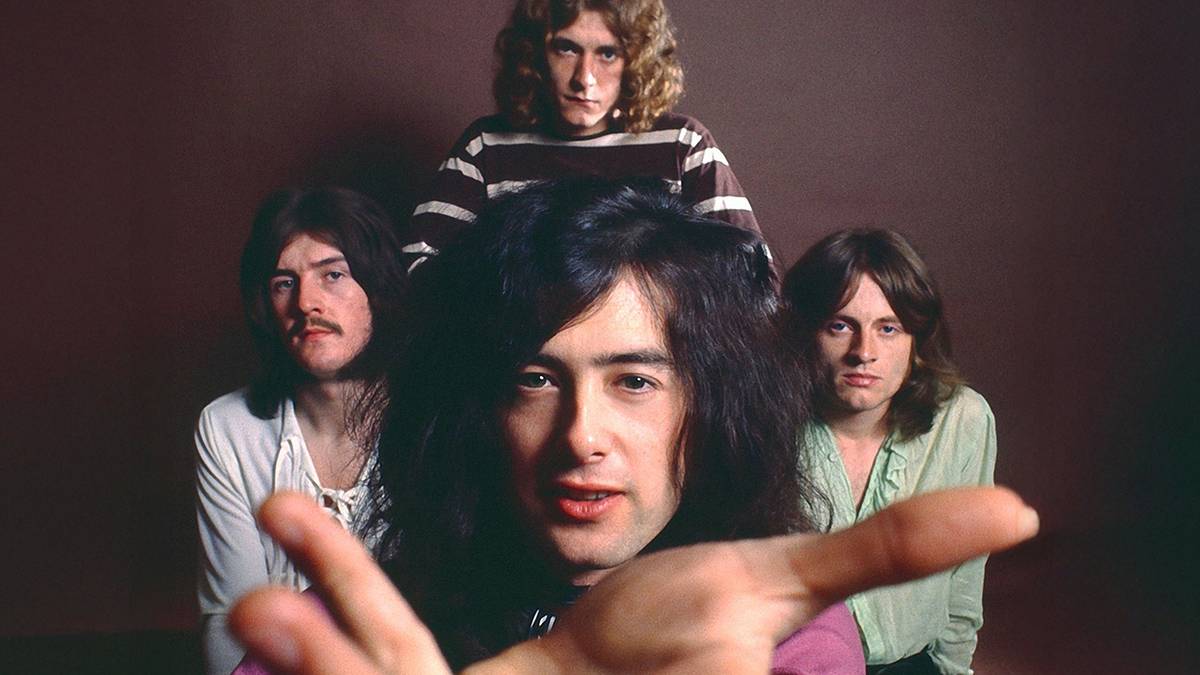
When Led Zeppelin burst onto the scene in 1968, they didn't just play rock music—they redefined it. Over 12 explosive years, the band's thunderous riffs, pounding drums, and Robert Plant's searing vocals created a sound that demanded to be played at maximum volume. They laid the groundwork for heavy metal, hardcore, post-punk, and stadium rock, but their legacy goes far beyond volume. Led Zeppelin wove storytelling and mythology into their songs, turning tracks into epic journeys worthy of ancient folklore. While "Stairway to Heaven" (1971) is often hailed as the pinnacle of this artistry, it's time to give credit where it's due: "Kashmir," released in 1975, is the band's true masterpiece.
The Composition That Defies Convention
"Kashmir" stands apart from most of Led Zeppelin's catalog thanks to its groundbreaking instrumentals. The song opens with a relentless, rhythmic percussion that acts like a ticking clock, building a sense of foreboding. John Bonham's steady drumming anchors the track, tying together its unconventional mix of instruments. But the real standout is John Paul Jones' use of the mellotron—a tape-based sampling keyboard that mimics orchestral sounds. This rare tool, famously used by The Beatles in "Strawberry Fields Forever," here imitates a pipe organ, giving the song a folkloric, almost spiritual quality that perfectly complements Plant's lyrics about mysticism and epic journeys.

A Global Soundscape
Led Zeppelin always embraced global traditions, from Celtic symbols on Led Zeppelin IV to Viking mythology in "Immigrant Song." With "Kashmir," they turned to the Middle East and Southeast Asia. The lyrics paint vivid desert landscapes—"the sun burns the ground and my eyes fill with sand"—while Jimmy Page used DADGAD tuning, a style common in Middle Eastern music, to match the song's exotic feel. Plant revealed in an interview with Cameron Crowe that he was inspired by a journey through the deserts of southern Morocco, and the song's name nods to the Kashmir region of India. This fusion of global influences creates a unique sense of place that few rock songs achieve.
For fans seeking other works of grand scale, check out The Ultimate Ranking of Epic Adventure Movies That Redefine Grand Scale.
Why It Surpasses 'Stairway to Heaven'
While "Stairway to Heaven" is undeniably iconic, "Kashmir" offers a more ambitious blend of musical complexity and poetic depth. Even Robert Plant himself told AXS TV that "Kashmir" is his favorite Led Zeppelin track, calling it "a monstrously dramatic musical piece" with lyrics that are "ambiguous enough and delivery which was not over pumped." The song balances dynamic power with subtle nuance, making it a masterclass in storytelling. For diehard fans, "Kashmir" eclipses "Stairway" because it feels both ancient and timeless—a true epic that transports listeners to another world.
If you're a fan of masterful storytelling, you might also enjoy 10 Beloved Movie Masterpieces of the Last 6 Years That Redefined Cinema and Anime Perfection: 8 Series Where Every Single Episode Is a Masterpiece.
In the end, "Kashmir" is more than a song—it's a journey. With its global inspiration, epic themes, and instrumental grandeur, it's no wonder this 1975 masterpiece continues to captivate listeners decades later. Forget "Stairway to Heaven"; this is Led Zeppelin at their most daring and brilliant.