For over a century, Sherlock Holmes has been reinvented countless times—from BBC prestige dramas to big-budget action films, modern procedurals, and even a futuristic version solving crimes in the 22nd century. Yet despite this endless parade of adaptations, one crucial chapter of the detective's life has remained virtually untouched: the three years between his apparent death at Reichenbach Falls and his return in The Adventure of the Empty House. Now, Sky's upcoming series The Death of Sherlock Holmes, starring Rafe Spall, finally dares to explore that gap.
A Fresh Take on a Familiar Icon
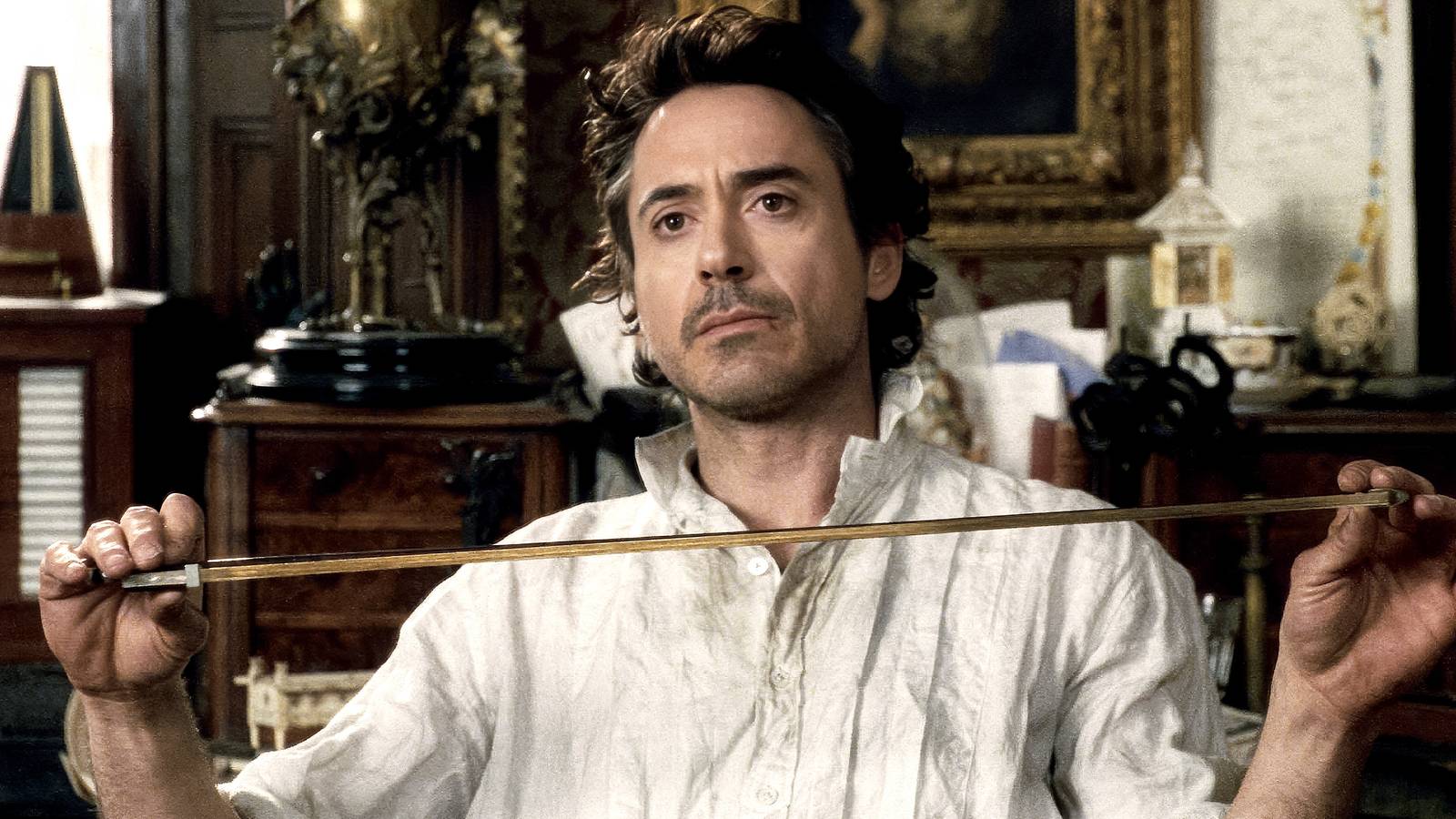
Sherlock Holmes has been played by over 75 actors on screen, including Basil Rathbone, Benedict Cumberbatch, Robert Downey Jr., and Jonny Lee Miller. The character's flexibility—able to be dropped into Victorian London, modern New York, or even Tokyo—has kept him popular for generations. But most adaptations merely reinterpret existing stories rather than expand the canon. The Death of Sherlock Holmes breaks that mold by building its narrative around what Arthur Conan Doyle intentionally left vague.
The series picks up after Holmes's fatal confrontation with Professor Moriarty at Reichenbach Falls in 1891. The world believes the detective is dead, but an injured, amnesiac Englishman is pulled from an icy stream by a local woman named Alma and her son Franz. This version of Holmes doesn't know who he is, stripping away his usual certainty and control.
Turning the Detective Into a Mystery
Holmes's signature trait is his ability to walk into a room and solve problems before anyone else can. The Death of Sherlock Holmes takes that away, forcing him to operate outside his comfort zone. He's no longer the brilliant detective everyone looks up to; he's a broken man trying to piece himself back together while solving a murder tied to a larger conspiracy. This reversal sets the series apart from adaptations that merely update Holmes with modern clothes or technology.
Doyle originally explained Holmes's absence by saying he traveled Europe to dismantle Moriarty's criminal network—a convenient plot device but not an emotionally driven one. The new series places Holmes in the Swiss Alps, far from Watson, Baker Street, or anyone he's ever worked with, surrounded only by strangers. This isolation allows for a moodier, more psychological tone than audiences typically expect from Sherlock Holmes stories.
Reichenbach Falls as More Than Iconography
Reichenbach Falls has become one of the most iconic moments in Sherlock Holmes lore. Adaptations love recreating it because audiences already understand the stakes—Holmes versus Moriarty at the edge of oblivion. But most versions treat the fall as an ending or a fake-out death and then quickly move on. The Death of Sherlock Holmes is one of the few projects that actually explores what surviving Reichenbach would do to a person.
The snowy Alpine setting feels radically different from the foggy London imagery associated with the franchise, and the premise leans into a more introspective, psychological exploration. Rafe Spall, known for playing intelligent men worn down by their own brains, is an inspired choice for this version of Holmes at his lowest point. While the series could still fall into the same traps as countless reinterpretations before it, it has already passed the first hurdle: finding an area of Holmes's mythology that has never been exploited.
For fans eager for more fresh takes on classic characters, check out A24's dark fantasy epic 'The Death of Robin Hood' or revisit Benedict Cumberbatch's 'Sherlock' ahead of its streaming return. The Death of Sherlock Holmes promises to be a bold new chapter in the detective's enduring legacy.