For its first four seasons, Everybody Loves Raymond played it safe with classic sitcom formulas: Ray would mess up, Debra would roll her eyes, and the laugh track would do the heavy lifting. But one episode flipped the script entirely, letting Patricia Heaton's Debra shed the 'long-suffering wife' role and unleash a whirlwind of emotions that still resonates today. 'Bad Moon Rising' wasn't just a standout—it was a game-changer for the entire sitcom genre.
Debra Takes Center Stage
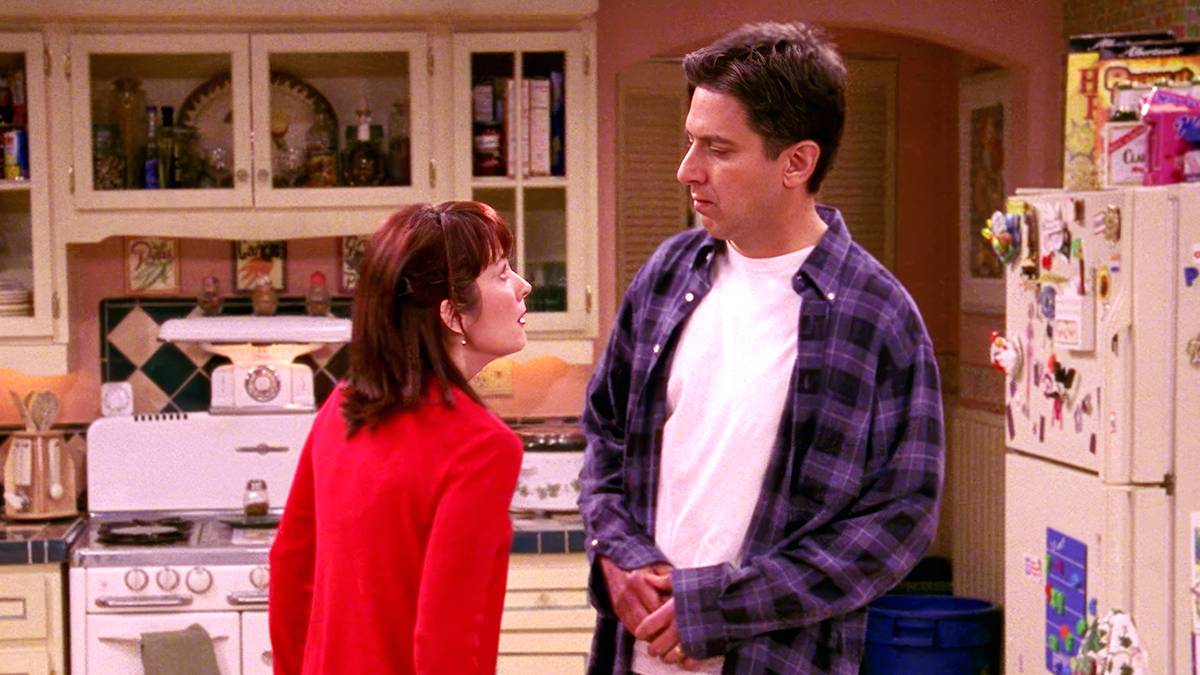
In 'Bad Moon Rising,' Debra is dealing with premenstrual syndrome, and her usual annoyance with Ray's antics escalates into full-blown fury. Ray, clueless as ever, complains to his father Frank, who advises him to 'take control' before her mood takes over. Ray's solution? A pill to ease her symptoms—a move that only fuels Debra's anger and highlights his insensitivity. Even Marie, usually on Ray's side, backs Debra, calling out Ray for repeating Frank's mistakes.

Ray's ineptitude reaches new heights when he accuses Debra of using her cycle to torment him, even playing a tape recording of her yelling about dryer lint. Debra's response is a masterclass in comedic fury, listing Ray's failures: watching sports during her labor, faking snoring at her grandmother's funeral, and taping over their wedding video. The scene builds to a climax as Ray backs into a bookshelf, only for Debra to soften when the phone rings, chatting cheerfully with a friend before apologizing to Ray—until he offers her more pills, reigniting her rage.
Why It Matters
While the episode's resolution—Debra apologizing after Ray's behavior—feels dated today, it was groundbreaking for its time. 'Bad Moon Rising' let Heaton showcase her range, shifting from fury to tenderness with impeccable timing. Her performance earned her a well-deserved Emmy for Outstanding Actress, proving she could hold her own against Ray Romano and later lead The Middle. Ray's cluelessness, played perfectly by Romano, set up Heaton's moments to shine, making this episode a turning point for the show.
This episode also paved the way for Everybody Loves Raymond to tackle deeper topics, like Debra's parents' divorce in Season 6 or Frank's childhood abuse in 'Boy's Therapy.' It showed that sitcoms could blend comedy with real emotional stakes, influencing shows like Netflix's 'Unstable' and others that push genre boundaries. 'Bad Moon Rising' remains a testament to Heaton's talent and a bold step forward for television comedy.