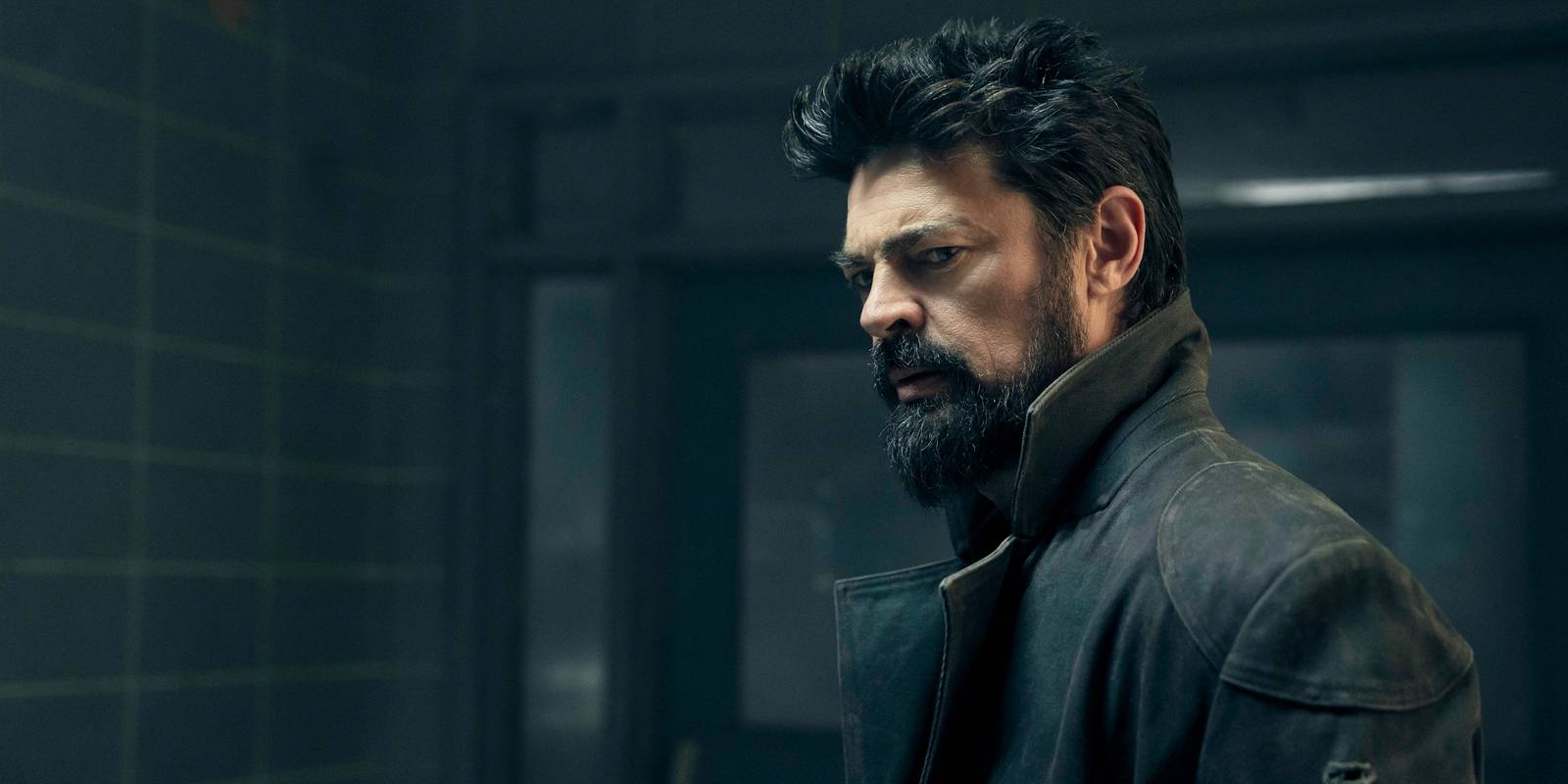
When The Boys finally wrapped up its run on Prime Video, fans were left with a finale that sparked plenty of debate. The show had always been known for its shocking twists and brutal satire, but the ending took a particularly bold turn—one that completely reworked a key element from the original comics. The most significant change? The fate of Black Noir, and what that meant for the entire series.
In the comics, Black Noir is revealed to be a clone of Homelander, created by Vought as a secret failsafe. He's the one who commits some of the most heinous acts, including the assault on Becca Butcher, which sets Billy Butcher on his path of revenge. The comic's climax sees Black Noir killing Homelander and then being killed by Butcher, a dark and nihilistic conclusion that underscores the source material's cynical worldview.
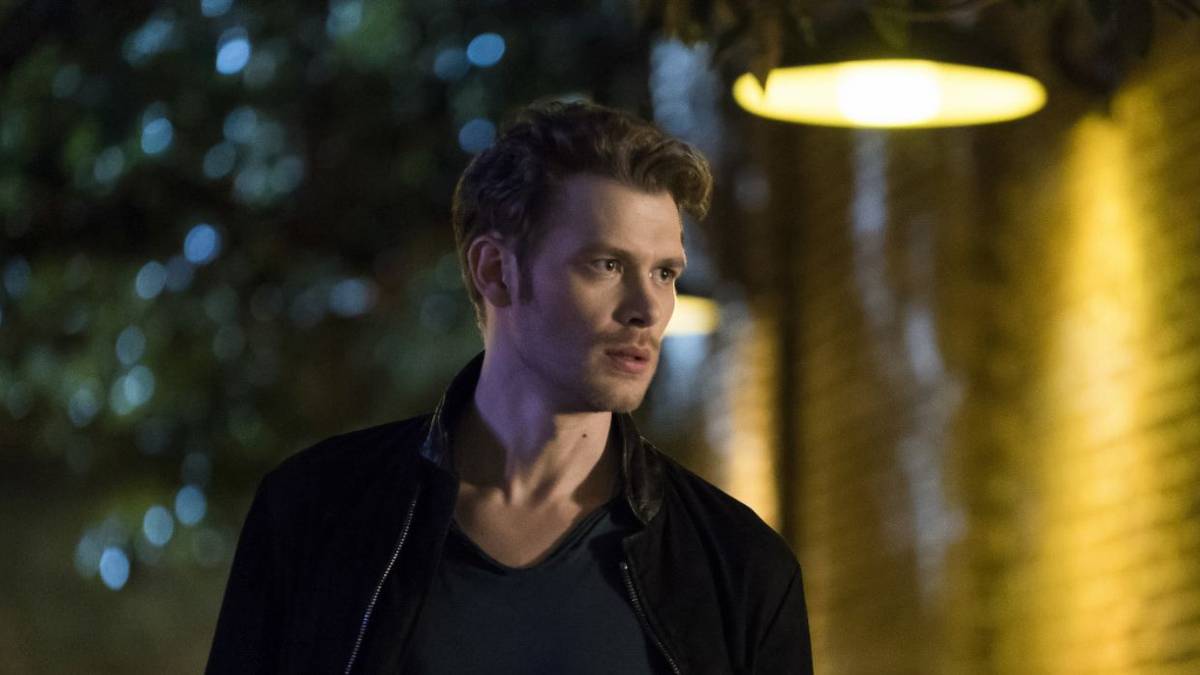
The show, however, took a very different route. Showrunner Eric Kripke and his team decided early on to abandon the clone twist, instead making Black Noir a distinct character with his own tragic backstory. In the series, Noir is a silent, scarred Supe who serves as Homelander's enforcer, but he's ultimately revealed to be a victim of Vought's manipulation. His death in Season 3—at the hands of Homelander after revealing his true nature—was a shocking moment that set the stage for the final season.
This change had profound implications for the series finale. Without the clone reveal, the show's ending focused on the human cost of the Supe crisis, rather than a simple revenge plot. The series finale recap highlights how Butcher's final confrontation with Homelander becomes less about personal vendetta and more about breaking the cycle of violence. The absence of the Black Noir clone means that Homelander's downfall is orchestrated by the very system that created him, not by a secret twin.
This shift in narrative also changed the meaning of the series as a whole. The comics' ending was a bleak commentary on how power corrupts absolutely, with no hope for redemption. The show, by contrast, offered a glimmer of optimism. Characters like Kimiko found peace, as explored in The Boys Finale Gives Kimiko the Happy Ending the Comics Denied Her, and the final moments suggested that change is possible, even in a world as broken as this one.
Kripke himself has been open about why he ditched the comic's ending. In interviews, he explained that the clone twist felt too convoluted and would have undermined the show's focus on character-driven storytelling. Instead, he wanted to explore the idea that the real monsters are not supernatural beings, but the systems and people that enable them. This is a theme that resonates throughout the series, from the corrupt Vought corporation to the compromised government agencies.
The decision to change Black Noir's role also allowed the show to delve deeper into the psychological damage inflicted by Vought. Noir's backstory, revealed in the animated spin-off Diabolical and later in the main series, painted him as a tragic figure—a Supe who was brainwashed and abused from childhood. His death was not a heroic sacrifice but a sad end to a life that was never his own. This added a layer of empathy that the comics lacked, making the finale more emotionally resonant.
Fans were divided on the changes. Some appreciated the more hopeful tone, while others felt the show had strayed too far from the source material's biting satire. But regardless of opinion, it's clear that the finale's divergence from the comics was a deliberate choice that redefined the story's core message. Instead of a simple tale of revenge and destruction, The Boys became a cautionary tale about the dangers of unchecked power and the possibility of redemption.
In the end, the series finale of The Boys proved that sometimes, the most meaningful changes are the ones that challenge our expectations. By giving Black Noir a different fate, the show transformed its ending from a nihilistic bloodbath into a thought-provoking conclusion that will be debated for years to come.