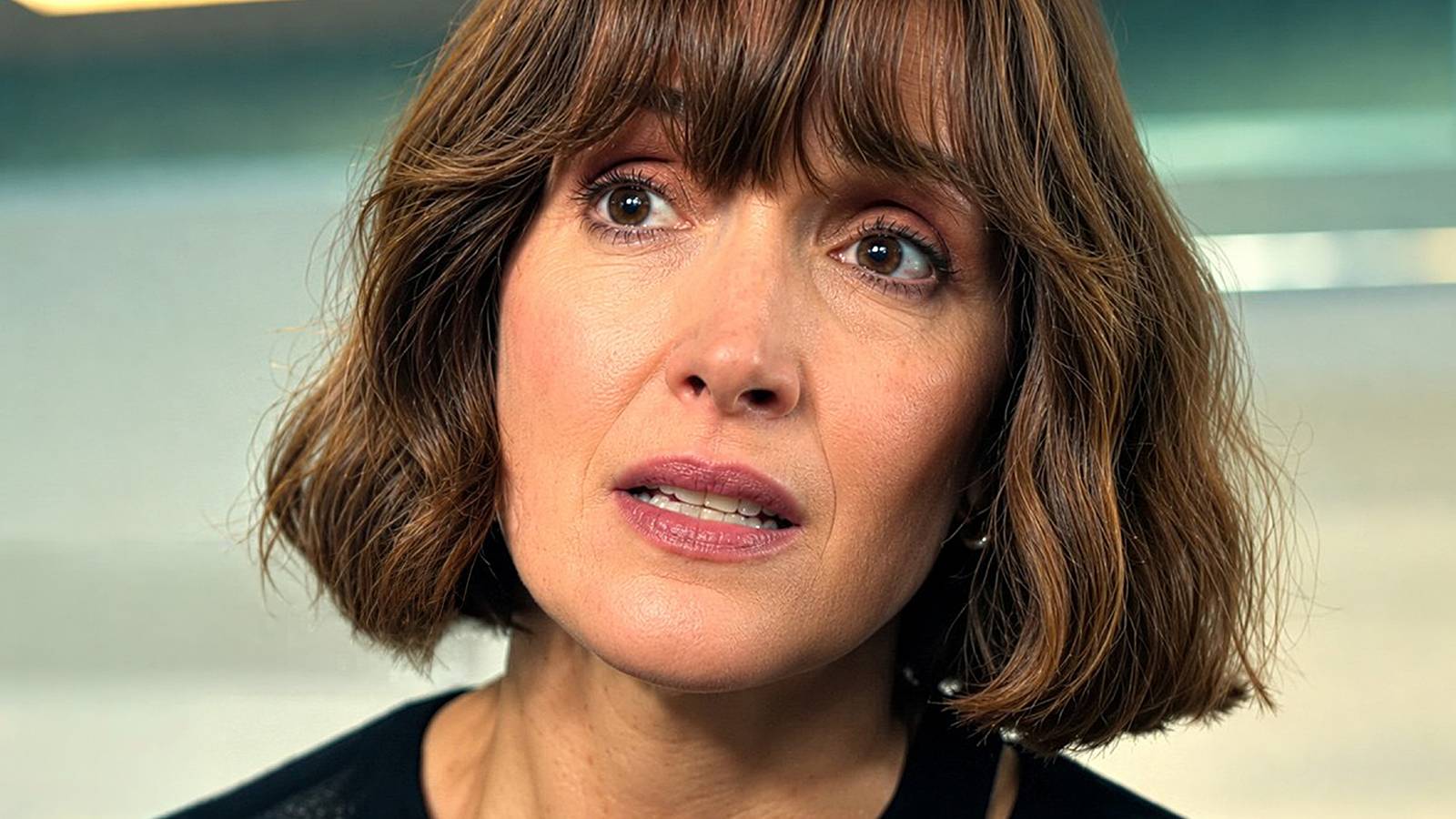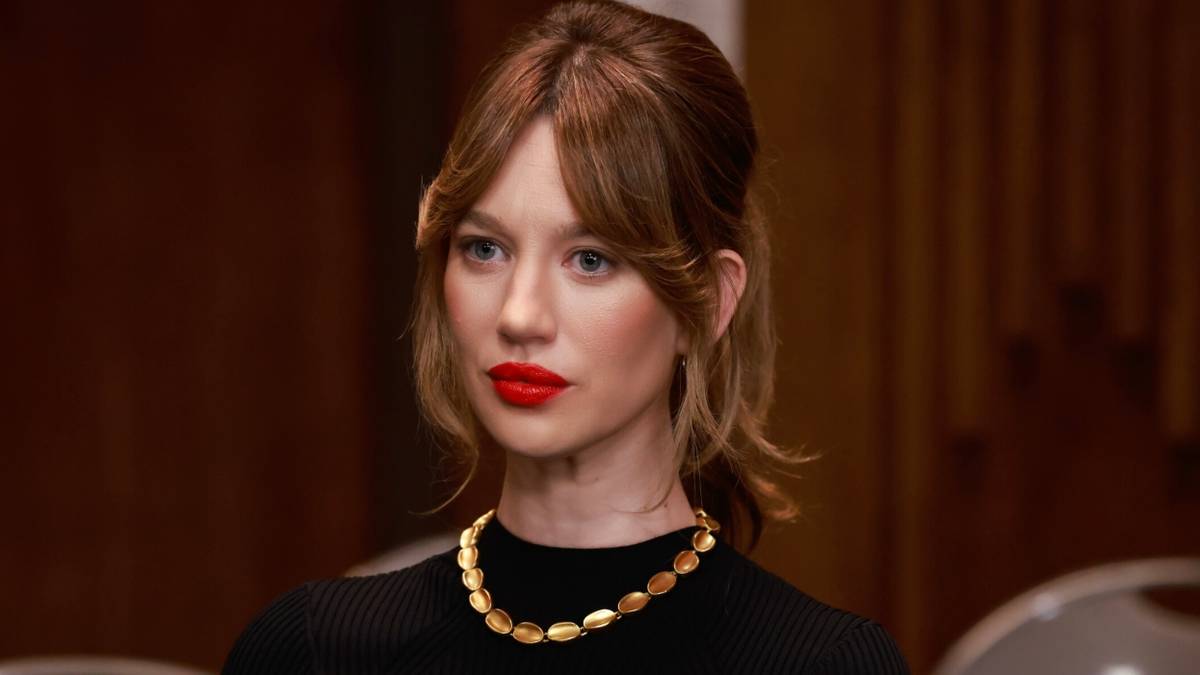
The 2010s stand as a remarkable era for television, a sweet spot where ambitious storytelling met growing production values. While many shows come and go, a select few from that decade have done more than just survive—they've matured, gaining new layers of meaning and appreciation as the years pass. These series feel less like relics and more like vital viewing, their brilliance undimmed.
Shows That Defy Time
What makes a series age gracefully? Sometimes it's a prescient vision of the future, other times it's a character study so profound it becomes timeless. The best shows of the 2010s possess a quality that transcends their initial release, whether through daring artistry, emotional depth, or sheer narrative power. In an age of endless content, these are the stories that continue to demand our attention.
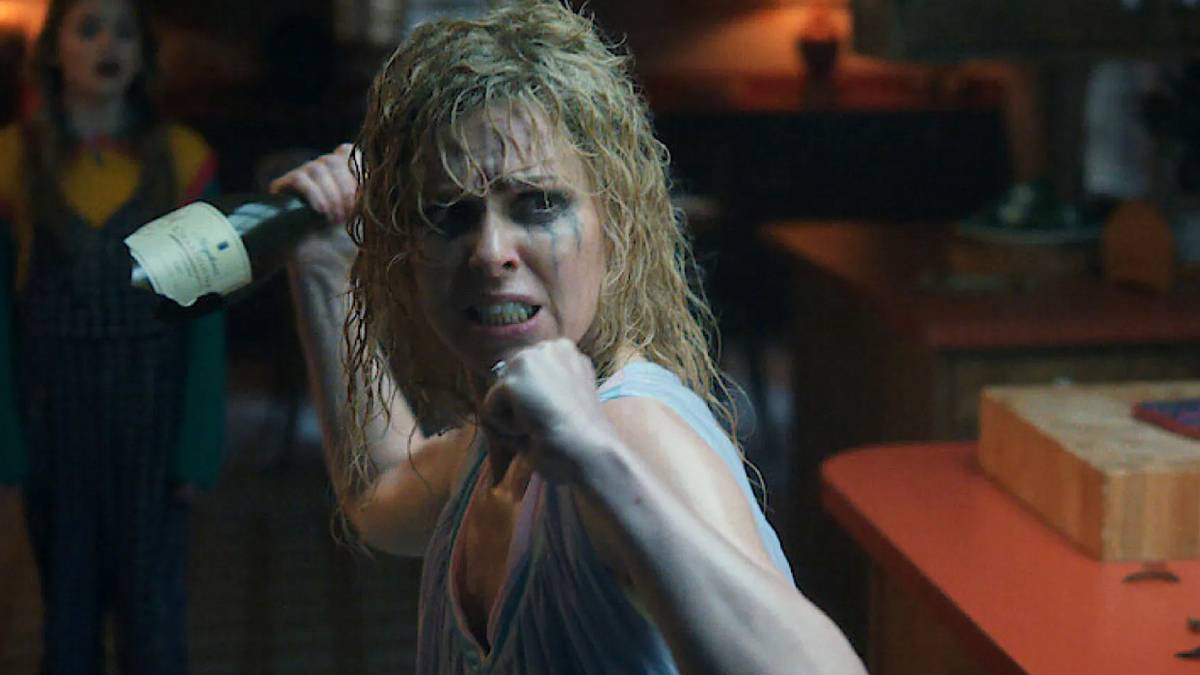
Hannibal (2013–2015)
Initially a cult favorite on network television, Hannibal has been reassessed as a daring masterpiece. Its operatic blend of psychological horror and visual artistry was arguably ahead of its time for network TV. The series transformed Thomas Harris's iconic characters into a complex exploration of obsession and aesthetics, its elaborate style now celebrated as a high-water mark for the genre. What was once considered niche is now seen as a trendsetter, a show whose ambition has only grown more impressive with hindsight.
The Leftovers (2014–2017)
This HBO drama about a world grappling with the unexplained disappearance of 2% of its population has found profound resonance in the years since its finale. While always acclaimed for its raw portrayal of grief and faith, the series' central theme—the struggle to maintain normalcy in an increasingly fractured and incomprehensible world—feels strikingly relevant today. Its focus on human emotion over solving a central mystery has cemented its status as a deeply moving and enduring work.
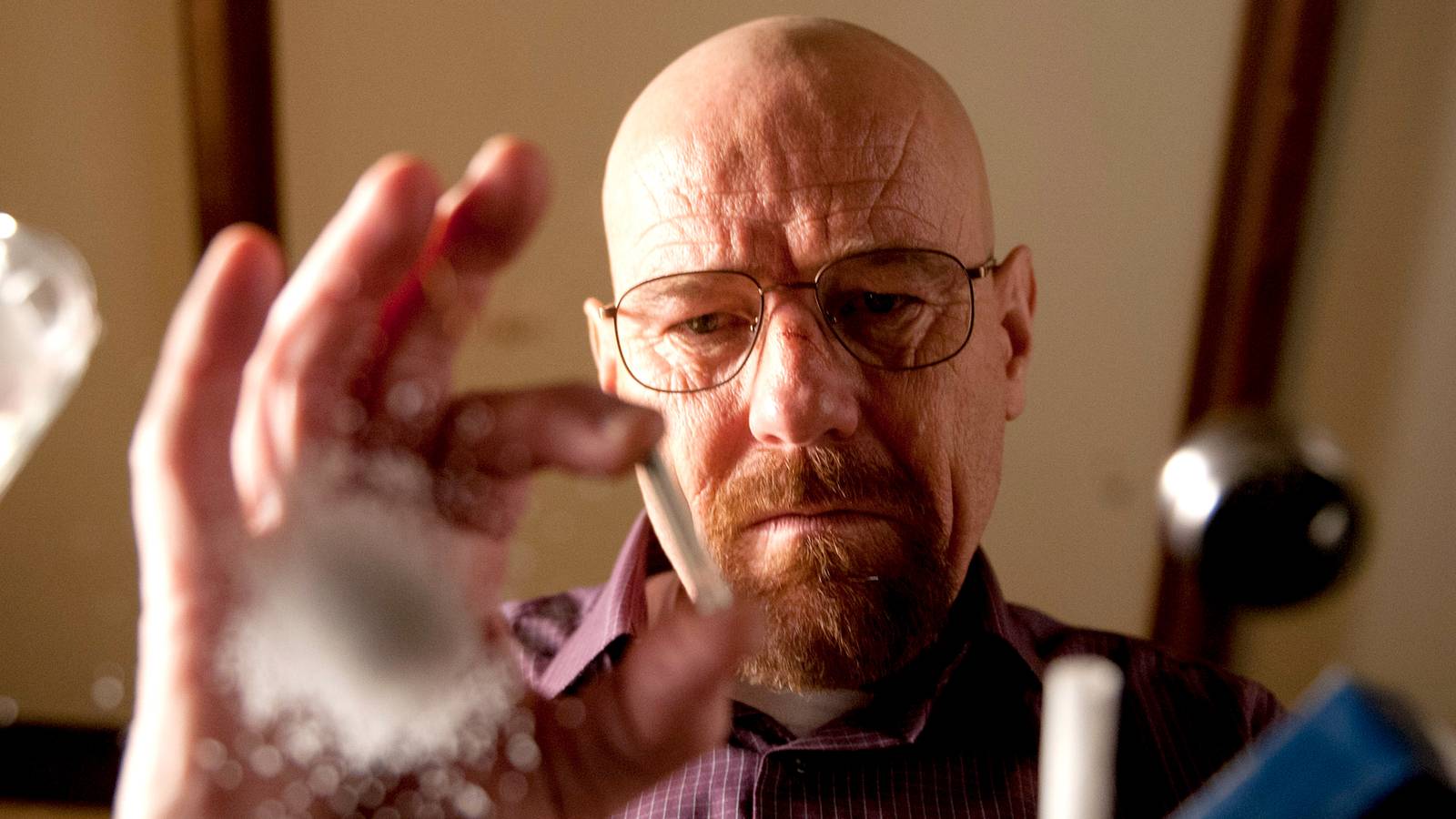
Breaking Bad (2008–2013)
Though it began in the late 2000s, Breaking Bad truly dominated the cultural conversation in the early 2010s. Walter White's transformation from meek teacher to ruthless drug kingpin remains one of television's most compelling character arcs. The show's tight plotting, moral complexity, and iconic performances have ensured its place in the pantheon of great TV dramas. Over a decade later, its influence is everywhere, yet the original retains a visceral power that imitators rarely capture. For fans of intense character studies, it's a benchmark, much like the powerful performances highlighted in our look at cinema's most legendary acting.
Black Mirror (2011–Present)
This sci-fi anthology's early seasons have aged with an unnerving prescience. Its standalone tales of technology's dark side often feel less like fiction and more like cautionary documentaries as the years advance. The show's bleak, satirical take on social media, artificial intelligence, and human vulnerability has proven eerily prophetic. While the series continues, its initial groundbreaking seasons stand apart for their sharp, uncompromising vision of our digital future—a vision that grows more credible with each passing news cycle.
The legacy of these shows is a testament to the power of visionary storytelling. They weren't just products of their moment; they were conversations started in the 2010s that we're still having today. From the forgotten sci-fi classics of past decades to these modern pillars, the best genre work always finds a way to speak to new audiences.
Other series from the era, like Game of Thrones, Mad Men (which concluded in 2015), and Fleabag, similarly benefit from retrospective analysis, their themes of power, identity, and connection feeling continually fresh. This enduring quality is what separates a fleeting hit from a true classic. In a streaming landscape crowded with options, these 2010s standouts offer a compelling reason to revisit the recent past, proving that great television isn't just watched—it's experienced anew with each viewing.